Nagasimha G. Rao: Making a Safer City for Young Girls & Boys
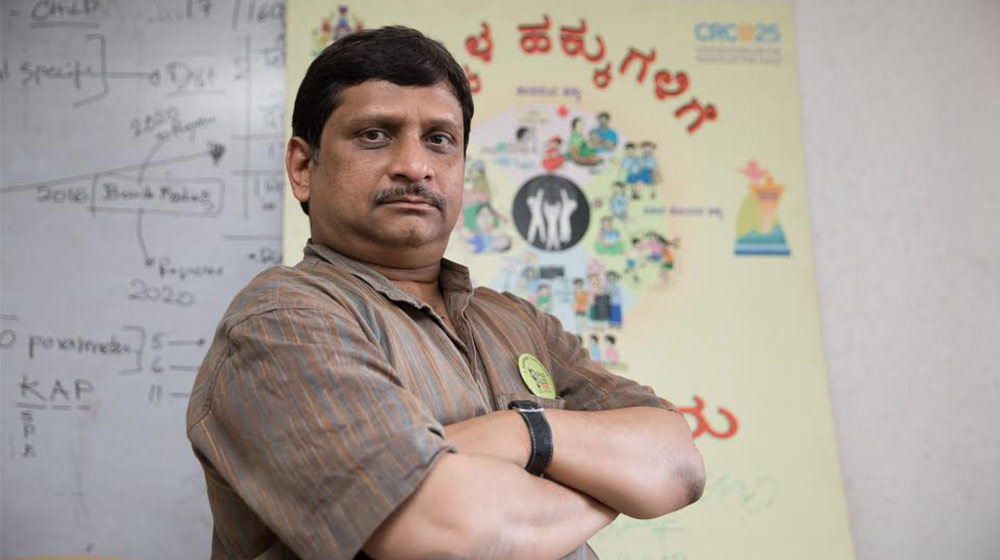
Are harsher laws the only way to ensure a safer society? If that's the case, we're missing the larger picture. Meet Nagasimha G. Rao, a one-man-army who believes that the only way to make our society is safe, is to raise our children the right way.
Rao been on the ground creating awareness on child rights and child advocacy issues. Decades of working with the Child Rights Trust has put him in the thick of things. Here’s his story as a pre-activist:
Children's Helpline: Young girls to the rescue
We run a child's helpline where we get many calls about suicide attempts by children, mostly young girls. The reasons are plenty, ranging from conflicts in the family, depression, peer group issues, eve teasing or discrimination.
At that point we counsel them and direct them to the right individuals or organisations that can help them.
Counselling isn't easy for young girls who are going through turmoil.
In the course of counselling we developed therapeutic games with the support of NIMHANS. We play these games with children and their families, it's very effective.
Young juveniles: A cause for concern
If we want to bring about a change in society, education is the solution. We can help our young boys through education.
Look at Nirbhaya's case: the country felt it was unfair when the juvenile rapist wasn't punished. Our outlook towards juvenile delinquents needs to change. He was a child, in need of care and protection. He was a school dropout, nobody looked after him. Society neglected him, and then he came into conflict with the law.
It was then that he went through theft, rape and committed so many crimes. He was a result of our failure as a society.
Is ensuring that society is safe, our responsibility?
Not just observing the situations in our society but acting on it are our responsibilities. If a young boy is walking alone at 10 pm, ask him where his parents are, where his school is. But no one will bother asking him. If all citizens are sensitised, girls and boys will feel like there are people watching over them.
The education system has to empower them. Gender sensitisation and awareness is a must. We have trained several groups of children - they are informed to call 1098, the child’s helpline, in case of any trouble.
We teach them that they should not wait for something to happen. Call, or the worst will happen.

If he can, why can’t we?
We often overlook signs that clearly pose a threat to our society. They are infact percieved as 'normal'. We do not want to get involved, but we care enough to protest once something happens. The fact is, when we wait, we are often too late.
Nagasimha Rao alone has worked towards making the lives of young girls and boys safe and secure. If we want a safer future for our children, and eventually the entire society, we have to act, and act now. Ensuring a safe and secure society is up to us.
Alarm Bajne Se Pehle Jaago Re!
Share this story on

Curbing Violence In India By Gender-Sensitising Kids From An Early Age: Enfold

Enfold has worked with over a lakh children on gender, safety and self-empowerment. Their involvement with children brought forward several biases and prejudices that young children in our country live with, and they’ve uncovered several cases of abuse among both boys and girls. They shared a few of their insights with Jaago Re, explaining the gravity of the situation in India, and how gender sensitisation can play a crucial role in freeing our children from these biases.
Challenging power equations
The idea of power equations emerges from one’s own idea of gender. For example, here’s what a boy witnesses throughout his formative years – a working father who brings home the money and therefore assumes the role of power over the entire family, whereas, the mother is subservient to the rest of the family and the father - thereby making her look weaker and submissive.
When this boys grows up and sees this gender dynamic being threatened, he tries to challenge it. Many a times, it’s challenged through aggression, violence, bullying, or even blackmail. Of late, the most gruesome assault cases we have seen are all about one gender enforcing power over the other.
How does gender bias affect the upbringing of young boys?
It is a common misconception that only girls face identity problems when growing up. Today, young boys are being exposed to ideas such as “it’s okay for a man to cry”, “It's okay for a man to be a stay-at-home dad”, etc. These ideas challenge age-old gender notions. Boys are also going through a hoard of hormonal changes, conflicts about their identity, etc., which are often left unaddressed. Therefore, it is imperative to counsel young boys on gender sensitization along with girls.
On shifting rigid beliefs and attitudes through gender sensitisation
We held a before-and-after quiz among the kids, asking them a set of questions relating to gender and behaviour. Some of the questions asked were:
“Would you cook or ask your sister to cook?”
“Is a girl a family's responsibility or is she a burden until she's married?”
We noticed a clear shift in attitudes post training sessions because of the positive responses we received. It only proves that if we start young, we can create a healthier, safer, and a more respectful society for everyone. Gender sensitisation is the understated need of the hour.
On gender biases that lead to abuse & crime
All kinds of abuse starts from gender bias and gender disparity. The immediate need is to implement gender sensitisation so as to help curb violence and abuse. Therefore, it is important to remove all forms of gender discrimination, gender bias. We teach kids to acknowledge and respect the differences between both genders and that feelings, qualities, emotions, and intelligence are not gender specific. We emphasize that both boys and girls have a right to cry or do things that one usually associates with just one gender. Without gender sensitisation, our children will not be able to cope with the changing gender dynamics, and this will probably lead to more instances of gender violence.
The clock is ticking. Are you ready to be a part of the solution? Join our movement to make gender sensitisation accessible to all school children in India:
Be a part of Tata Tea’s initiative and sign the petition today! Visit Alternatively, you can also dial 7815966666 toll free.
Alarm Bajne Se Pehle Jaago Re!
More on the Expert:
Share this story on
How Schools can change the future of Sports in India
Where do children play?
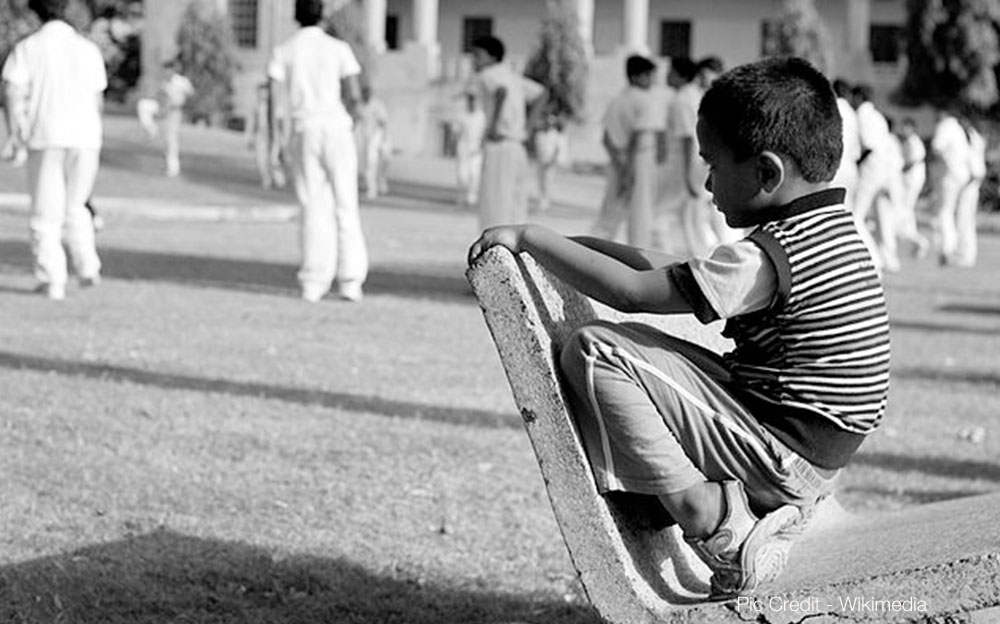
Everyone seems to agree that children should play, and that more children should play as often as possible. However, the problem is not “Why should children play?” The real problem is “Where?”
With increasing urbanization, open spaces are disappearing in cities as well as smaller towns. Also, with increasing traffic congestion, the commute time for parents and children is a hassle. Children spend an hour travelling to-and-from the sports venue. In addition, the parent must arrange transport or drive the child and wait around while the child plays. Most parents do not have such a luxury of time or resources.
Therefore, due to a combination of disappearing open spaces/playgrounds near our homes and the hassles involved in commute, children are not playing as much as they used to a generation ago. This has contributed to significant increase in obesity levels, mental disorders and lack of social skills amongst children.
However, there is a clear solution. Schools present the scalable and sustainable solution for getting children to play. Schools can solve these problems by making sports an integral part of education.
Aggregation of children:
Every class has 25-50 children of a similar age, height and weight category and they show up every day, throughout the year. No separate transport logistics need to be managed or ongoing marketing needs to be in place to ensure children show up. There is a Physical Education timetable that runs round the year.
Synchronization of children:
Physical Education (PE) & Sports is mandatory in all schools (though it is often followed merely in letter than in spirit). So, all the children in a class come out at the same time during their PE/Sports period.
Space:
Most schools do have some space for children to play. Programs can be structured and designed to make effective use of limited time and space.
Fees:
Sports and PE is an integral part of Education. Parents pay fees and the fees cover PE and Sports for all children, along with other studies. Parents expect their child to be taught Physical Education and Sports with the same structure, rigour, individual assessment, daily lesson plans and by a trained teacher – just as they would for Math or Science. The budgets have to keep these factors in mind.
Not only budgets, but also space and time has to be aligned based on the number of students in school. With all the resources at hand, it is only sensible for schools to make sports compulsory and run it efficiently.
Lack of Space:
Lack of space in schools is often touted as a reason for not conducting the in-school PE/Sports program. However, most PE/Sports programs for children can be covered in a basketball court-sized space.
Adults make a common mistake of confusing sports with match play and visualise large grounds when they think of sport. However, if you analyse a professional sports team’s practice calendar, you will find that they spend time on three aspects: fitness, skills and match play. They spend 80% of their time on developing fitness and skills required to play the game better. For this, they use a small corner of the ground, never the whole field. If professional teams can work with small spaces, why can’t we get our children to play in schools?
A structured sports education program ensures the best use of the limited space and time available in a school. As parents and responsible citizens, we need to demand more from our children’s in-school Physical Education & Sports Program so that children get the benefit of the fees paid to the schools.
Sports need to be made compulsory in schools, just like Mathematics or Science. Sports is Education.
Join us in our quest to build a culture of sports in India.Visit or call 7815966666 (toll free) to sign the petition to the HRD Ministry, to work with the sports ministry and implement sports as a compulsory subject in schools, and advise state governments to implement this across all educational institutions.
More on the Expert:
Share this story on
How Football Changed the Lives of 600 young girls: Yuwa
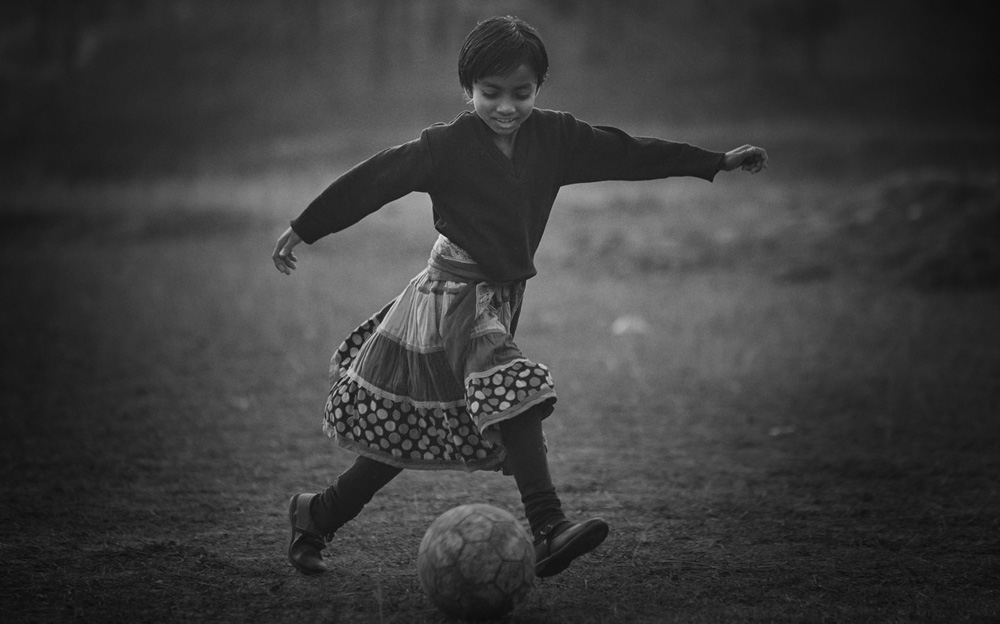
A class that plays together, learns together. It is a tried and tested technique recommended by Franz Gastler. His NGO, Yuwa, is based in Jharkhand and is a platform that uses sports as a crucial catalyst to put the future of girls in their own hands through education. He talks about how sports changed the lives of several young girls in Jharkhand.
Fact: Six out of ten girls drop out of school and become child brides in rural Jharkhand. (UNICEF)
Yuwa was established back in 2009 with the aim of using scholarship programs for gifted students in Government schools to combat child marriage and human trafficking in these areas, and to lower the dropout rate from schools. The focus changed to sports gradually. In fact, the football coaching program was spurred by an interest expressed by a few girls from these Government schools.
Especially in regions and cultures where sports takes a backseat, particularly for girls, here we see an extraordinary instance of how sports has completely transformed the lives of over a hundred young girls.
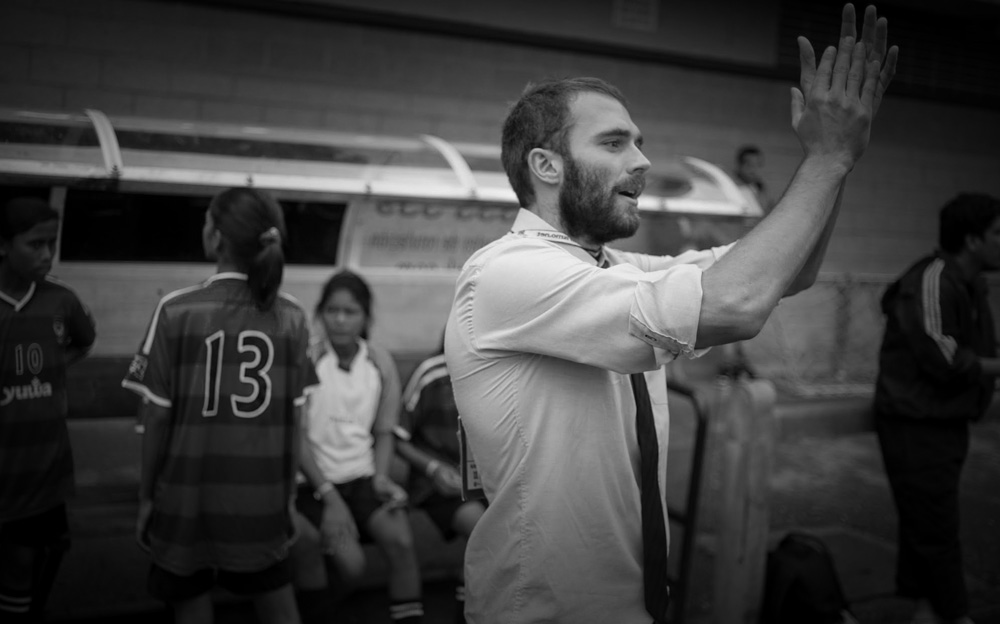
Girls more keen on football than boys?
In spite of not being a professional Football coach, I felt that it can be a great team building activity and can pique their interest about being in school. Initially, I tried incorporating the football program for both, girls and boys — but the boys were inconsistent in their attendance and wouldn’t commit to coming to practices.
The girls, however, showed outstanding work ethic and dedication. In the village, girls are expected to spend all their time in the service of their families - not going to school, not studying, and certainly not having fun, or playing sports. Today, Yuwa stands as one of the largest football programs especially to cater to girls in India. It stands strong with 300 players, with almost all players practicing daily.
Making girls well rounded performers - from school to the field
I saw the need for a second family for girls, to give them the support and encouragement that is necessary for their development. When I established Yuwa, my goal was not just to delay marriage, but to enable girls to break out of the cycle of poverty and make powerful decisions about their future.
I am glad that we were able to help the situation to a great extent. Through the positive peer pressure created by daily team practices, girls started going to school every day, taking an interest in their own education, and motivating one another to do the same. Before joining, they were shy, and quiet. After months of daily practice and affirmation in a positive social network, they became confident, bold football players who weren’t afraid to introduce themselves to strangers.
After a year, it was obvious that football teams had the potential to be an effective platform for empowering young women. Ironically, the girls that were originally selected for the Yuwa scholarship to a private school were not responding positively to the program — they were still missing 40-50 days of school each year. These girls would only drop by Yuwa once a month to collect their school fees. In contrast, the girls playing football would come by to study every single day. It was thus evident that the girls receiving the scholarships lacked the positive social support and motivation that was being provided by the Yuwa girls’ football teams.
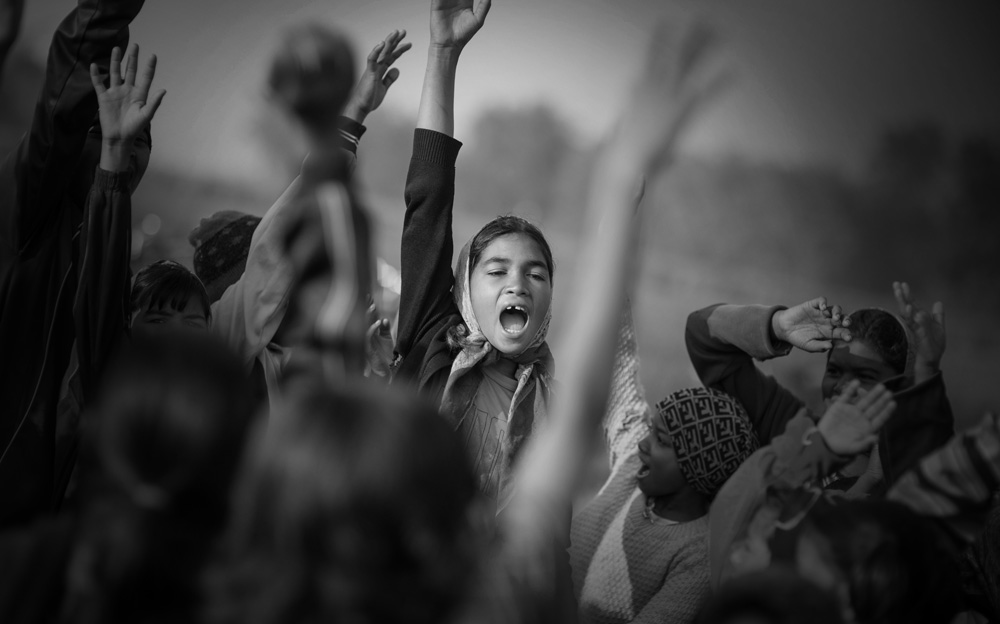
Tackling poverty, abuse and creating a positive childhood through Sports
Through tight-knit, regular classes and football sessions, Yuwa has created an atmosphere where positive peer pressure and accountability has had a direct influence in the form of attendance in higher classes and lesser probabilities of a girl being pulled out of school.
The success of our program thus far has proven that sports can work wonders if implemented as a part of a child’s education. Sports can be a big boost for the enthusiasm level of children and regular sports lessons in schools can improve their attendance as well.
If this is the difference sports has made in the lives of a few girls in this village, imagine the difference it can make to children across the country. If sports becomes a larger part of the school curriculum, we will see the fostering of a sports culture that encourages more participation from all stakeholders.
Sports is an underrated tool that can improve the lives of future generation, and improve the status of our country as a whole. To make this dream a reality, I urge you to sign the petition to make sports a compulsory subject in schools.
Join Tata Tea’s initiative and sign the petition by clicking on this link -- or by calling 7815966666 toll free.
Alarm Bajne Se Pehle Jaago Re!
More about the Experts:
Share this story on
WANT TO CURB CRIMES COMMITTED BY JUVENILES AGAINST WOMEN? GENDER SENSITIZATION IS THE KEY

Crimes against women committed by juveniles is at an all-time high. The evidence is everywhere and spread across all parts of the country, be it rural or urban.
This alarming increase in the number of such juvenile crimes and the gruesomeness of the same propelled the Supreme Court to rethink on the differentiation in quantum of punishment between juveniles and adult offenders in the case of serious crimes. Amidst differing opinions and raging debates, the Court and the Parliament finally took a strong stance and enacted the amendment in juvenile law which allows children between 16 and 18 to be tried as adults depending on the severity of their crimes.

The question that plagues us is what actually causes these minors to be so insensitive and inhuman to commit such terrible crimes at such a young age. There’s an argument that children without family guidance are more likely to take to crime but statistics say otherwise. In Tamil Nadu alone, 95% of the juvenile delinquents in 2013 used to live with their parents. The reasons are actually many but one major cause can be attributed to the lack of gender sensitization from an early stage in life.
Gender Sensitization is a small but necessary step to the gradual eradication of gender biases and to reduce cases of abuse and harassment across the country. When a boy is nurtured with such values along with empathy and compassion, it contributes to shaping up their mindsets in a very different manner. What actually needs to change is their outlook towards women, their false sense of superiority on account of being born as a male member of society, their sense of entitlement and the belief that they enjoy the prerogative of assaulting women if they don’t respond positively to their overtures. What needs to be ingrained in them from a very early age itself is that they should respect women as fellow human beings instead of objectifying them and considering them as the weaker sex. Only then will eve-teasing be perceived as a crime rather than an element of fun!
We need to make sure that everything that our children are exposed to, condemn gender bias and promote gender sensitisation. We have managed to penetrate the remotest areas of our country with education, and it’s time we urge the authorities to implement gender sensitisation in education right away, because for our children, the clock is ticking.
Join Tata Tea’s initiative and sign the petition for making gender sensitisation programmes compulsory in school curriculum by clicking on this link by calling 7815966666 toll free.
Alarm Bajne Se Pehle Jaago Re!
Share this story on
The growing menace of Child Abuse and how can we put an end to it

How serious is the issue?
We are no stranger to shocking cases of child sexual abuse being reported across news channels and newspapers almost every other day.

Image Credit: Indian Express
As per the data compiled by NCRB (National Criminal Record Bureau), 8,800 cases of rapes on children were registered across the country under the Protection of Children against Sexual Offences Act (POCSO) in 2015. In quite a few cases, the offenders themselves are minors in the age bracket of 12 to 18. In order to help the victims and to prevent children from becoming perpetrators of such a heinous crime, it is imperative to openly discuss the issue and explain the seriousness of the same to them. To quote a spokesperson for Mumbai Police in his interview to Mumbai Mirror, "It's a serious issue, especially the increasing rate of rape cases involving children below 12 years of age. We are conducting awareness drives in densely populated areas of the city and holding workshops in schools too." Such workshops are centered around comprehensive sexual education and awareness about what constitutes as sexual abuse are an integral part of gender sensitising programs. For the fight to be successful, this awareness and support drive needs to reach out to each and every child in every part of the country.
Why do most victims suffer silently?
An article on the Unicef website states, "According to a just-released 13-state National Study on Child Sexual Abuse commissioned by the Ministry of Women and Child Development and conducted by Prayas, UNICEF and Save The Children, abuse is a startling everyday reality for as many as half of the country’s children. The report states that more than 53% of children in India are subjected to sexual abuse, but most don’t report the assaults to anyone.”
But why is it that the majority of such cases go unreported? In a lot of situations, it is due to the fear of the assaulter that children don’t speak out. However, other major factors can be attributed to the stigma associated with it in society and the lack of awareness as to what sexual abuse and sexual harassment actually is.
Many a young women and men have come forward to narrate their horrifying tales and have also added that as a child, they had hardly realised what was actually happening to them. It is only at puberty, during adolescence or as an adult that that they realised what their neighbour/ relatives/ strangers had inflicted upon them! In certain cases, the abuse continued for years altogether without the victim realising what they are being subjected to!
The repercussions reach far and wide
As per studies conducted by experts and psychologists, it has been seen that victims of child abuse later go on to becoming sexual offenders themselves since they harbour a wrong notion about sexuality and are not counselled in the proper way. Clearly, the importance of curbing this evil for the sake of keeping our women safe cannot be stressed enough.
Tackling the issue nationwide, one school at a time through gender sensitisation initiatives
The first and foremost thing that is addressed as a part of such gender sensitisation programmes is the awareness about such issues and how to distinguish between a bad touch and a good touch. Only when a child realises they he or she is being abused can they speak up for themselves and put a stop to the same. Gender sensitisation also aims at eradicating the taboo about the subject thereby encouraging the victims to be vocal about the abuse.
The study published on UNICEF’s website also states “Even when the problem gets identified, lack of social awareness on the gravity of the issue and ways to deal with it makes it difficult to ensure any kind of support to the victimized child.”
This very lack of social awareness can be tackled through the gender sensitisation workshops. When such workshops are held in schools, they reach out to both, students and teachers alike. While students will be made more aware about the evil and encouraged to report the same, similarly teachers will also be trained to identify abused victims and thus help them. They will be encouraged to have a more open mind and be more empathetic to the same. Essentially, the programs work towards ensuring that the teachers are considered more approachable by the students so that they have someone to confide in about the abuse.
deal with. If you are as perturbed by the appallingly high numbers and the nature of the offenses as we are, then this is your chance to act against it. Together, let us carve a better society for our children!
Join Tata Tea’s initiative and sign the petition for making gender sensitisation programmes compulsory in school curriculum by clicking on this link by calling 7815966666 toll free.
Alarm Bajne Se Pehle Jaago Re!
Source:
HuffPost,Indian Express
Share this story on
Why is Gender sensitization necessary at the school level?

The true purpose of education
I believe that education or schooling is a process through which society creates the kind of individuals we wish to see in the world. Hence, it’s imperative that school curriculum lays strong emphasis on inculcating values of equality, inclusivity and diversity, all of which are essential for building a healthy society.
Change must begin from a young age
In a patriarchal country like India, where stark gender roles, overt gender discrimination and devaluation of women and girls is ingrained into our daily lives, I feel that it is extremely important to identify and address this problem from a very young age. Boys and girls start developing their gendered identities from birth. The upbringing at home also influences them. While egalitarian gender roles may not be present at home, the school can become a space of transformation where children, especially those hailing from disadvantaged backgrounds, learn to question gender roles, identify areas of gendered discrimination, and work towards changing them.
Change has to start from the grassroots
In many families, in both rural and urban areas, while boys are encouraged to study and have a career, girls are taught to concentrate on household chores. Only when both boys and girls learn to question this typical gender bias at school, will the situation at home also change for the better.
The different geographical and cultural contexts I have had the opportunity to work in has taught me that gender roles and inequalities are very contextual, and rooted in cultural and social practices. Thus, to have a national policy addressing gender equality is not sufficient. At a more local level, we need clear directives to understand and address specific gender norms through the schooling process.
In spite of our efforts towards providing education to a girl child, where exactly are we lacking?
For the longest time, we have been working on bringing girls to school and ensuring that they complete their schooling. We assume that schooling and academic ability will empower a girl through financial and social independence. Why then, do we still have a society where women and girls fear for their safety and well-being, and are considered ‘burdens’ on their families? We may have been able to bring women to the forefront, but without addressing and challenging gender norms at a nascent stage of social development, we cannot hope to work towards a society where women and girls feel safe and valued.
Imperative to this process is the need to working with boys. From a young age, i.e. through schooling itself, if boys are taught to understand how an egalitarian society is beneficial for all by questioning gender norms, only then will boys learn to treat women as equals. Thus education can play a critical role in making the society safer for women, and that can happen by making gender sensitisation a part of the school curriculum.
If the Government policy also outlines the importance of gender sensitisation, why shouldn’t it be made mandatory?
The importance of gender sensitisation in schools has been recognized and given due importance in all policy outlining quality education. The Right to Education Act 2009, and its operating arm, the Sarva Shiksha Abhiyan, has clearly mentioned that gender equality is one of the expected outcomes of elementary education in the country. Schools need to address unequal gender roles at a critical stage, when children are growing up. Shouldn’t we insist that schools give due importance to gender sensitization and ensure that it is very much a part of our children’s schooling process?
If you want to see a society devoid of discrimination, one where women and girls are not treated as inferior, and where equal opportunities and rights are given to all women, then I urge you to sign this petition, emphasize on the importance of gender sensitization and do your part to ensure that over time, we move towards a more equal and inclusive society.
Join Tata Tea’s movement to make gender sensitisation programmes compulsory in schools. Sign the petition by clicking here or by calling 7815966666 toll free.
Alarm Bajne Se Pehle Jaago Re!
More on the Author:
Share this story on
Why students, teachers & the school management need gender sensitisation

1997 - “These things tend to happen in girls’ colleges, leave it…”
Back when I was studying in college, a girl was molested by her Physics teacher. We went to our class teacher to seek her help in the matter. She advised us thus, “Girls, these things happen in women’s colleges; just leave it.” Even a suicide attempt by the girl did not compel the management to empathise with her. Eventually, she changed her college.
2017 – Dressing modern doesn’t make up for backward attitudes. Mentality is still dangerous
Now that I am a teacher, I can see that things are very different from what they used to be. A boy in my school likes to colour his hair a different colour each week, while a girl is fancily dressed up for the school prom. But here’s the thing; just because young adults wear modern clothes, it doesn’t imply that their thinking or attitude is forward or progressive.
Largely, the mentality across schools is still so regressive and dangerous. Children can be hurtful and insensitive, bordering on violence. Moreover, in a digital world, they feel powerful by shaming others behind an anonymous facade on their computer screens. Slanderous words are carelessly thrown around as responses on social networking platforms when a girl expresses ‘strong’ views, often by her boys known to her, perhaps from her own class or school.
To gender sensitise children, teachers need to be free of bias too
It’s not just the children, but teachers themselves that need to go undergo a thorough check of their attitudes and mindsets. Often, teachers too, fall back on older, more familiar patterns of thinking, knowingly and unknowingly show gender insensitivity. A teacher tells a group of boys to be wary of girls who may accuse them of rape if they both had an argument on a social networking platform. Another teacher pulls up a girl for showing ‘too much skin’, when she rolls up the shorts of her sports uniform on field. If a boy does the same thing, it’s ignored.
Change needs to start from schools - the onus is on the whole community around the schools
School counsellors work with students who struggle with gender-based bullying, gender identity issues, gender-based favouritism at home and gender-based pressures to fit in socially. There is a lot that needs to be understood and a lot more that needs to be done to make gender sensitivity programmes successful in schools.
A lot of conditioning and stereotyping comes from teachers themselves. This has to stop. Genderbased bullying, online or offline, has to stop.
A school community is a community of students, parents, teachers, administrators and support staff. Everyone has a part to play in enabling a gender-sensitive and gender-equal system. Change will occur when old attitudes held by us the adults, change, and we become accepting of the many complex layers of gender sensitization.
This is why I am of the utmost belief that gender sensitisation is a non-negotiable need of the hour. It’s high time that we make gender sensitisation mandatory across schools in India.
Do take a look at Tata Tea’s petition, and act today, to transform our young minds and the future of the country.
Join Tata Tea’s movement to make gender sensitisation programmes compulsory in schools. Sign the petition by clicking here or by calling 7815966666 toll free.
Alarm Bajne Se Pehle Jaago Re!
More on the Author:
Share this story on
CATCH THEM YOUNG - Gender Sensitising Kids with the Power of Theatre
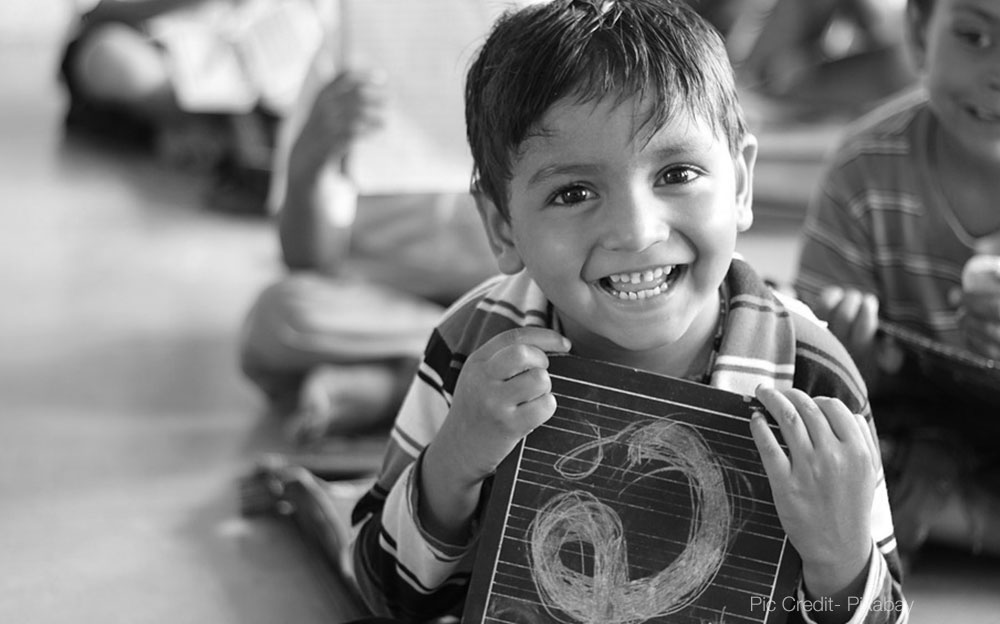
Every time we bring up gender sensitisation - a common concern in our society echoes - do we need to teach our children about gender biases and ways to overcome them? Or are they too young to understand sensitive issues? Often Indian parents, when asked about the need for gender sensitisation in schools, feel that gender sensitisation could expose their children to things that we consider “vulgar” or “inappropriate”.
This shows that we as a society fail to understand gender sensitisation. Gender sensitisation is about teaching the children that their gender does not define them or who they should be. While most of us struggle to understand or grasp the importance of gender sensitisation, there are a few everyday heroes who have dedicated their lives to ensuring gender sensitisation for all through various methods.
Mishti Verma Thapar is the founder of YINDIA, a forum that uses theatre to address gender sensitisation issues. Here’s her pre-activist story.
Over the last decade, I have been working with women and children across the country on sensitive issues of gender and self-empowerment, using theatre as a medium. Let me share some experiences.
Working with Children:
A 10-year-old girl we worked with, was facing bullying and harassment from her older male peers. We used theatre and held personal mentoring sessions to build resilience and confidence in her. We helped her understand that she could and should do something about her situation, and that it is her right to do so. I believe this is something one must do from a tender age to all children alike.
At CLAP (Creative Learning Arts and Performance), we hold workshops and mentoring sessions for children. Catch Them Young is one of our programmes that literally 'catches' hold of young minds to sensitise and empower them about several issues.
We need to catch them young, because irrespective of their age, children face several issues relating to physical appearances, peer pressure complexes, intellectual complexes, etc. These are all issues that spill over into adulthood, which if left unchecked, can result in disaster. The crimes we see today are a result of psycho-social attitudes in our society.
A person is not born a criminal, circumstances turn him/her into one.
Importance of Gender Sensitisation in our society today
I cannot stress on it enough. It is essential because our already patriarchal society is rooted in bias and archaic, regressive practices. Regardless of class, creed or education, I have seen so many instances of working women facing such biases. We teach them to strengthen their own sense of identity, femininity, and power.
It also goes without saying that the media plays a large role - where we continue to objectify women. They have a powerful influence on everyone, including young minds. We need to shift the roles of women and men both, along with their portrayal even in the media; but before that, we need to teach that objectification of women (or men) is neither right, nor acceptable.
We need to remove the bias of gender, and create safer, more respectful and healthy spaces for all genders. That can only come through gender sensitisation, and the best way to achieve this is to literally catch them young.
We cannot hope for a society that is equal and progressive, unless we make sure that our children are exposed to gender sensitisation. As a society, it is our duty to make sure that our children are protected against anything that could turn them into victims or perpetrators of gender crimes. Unless we act today, we will see ourselves thronging the streets, seeking punishment for another juvenile involved in a heinous crime.
This movement by Tata Tea Jaago Re to make gender sensitisation a well-balanced programme that’s accessible to children in schools, could be the turning point in making our society inclusive and safe. Join Tata Tea’s petition, be a part of the change.
Sign Tata Tea’s petition for making gender sensitization compulsory in the school curriculum to pave the way for a better tomorrow. Click on Link or call 7815966666 toll free.
Alarm Bajne Se Pehle Jaago Re!
More on the Pre-Activist:
Share this story on
Support from the society can make or break an athlete: Boxing & powerlifting champ Dushyant Dubey

“I didn’t choose the sport. The sport chose me.”
Growing up, I was this lazy, unathletic kid, I had won no sporting accolades in my life, besides a first place finish in a sack race many years ago and my somewhat juvenile interest in Cricket (like almost every other Indian kid).
Following a friend's suggestion, I enlisted in my school's boxing classes, and within weeks of attending my first session, I was hooked line and sinker. While I got equal support from my school and my family, many of my peers weren't so fortunate.
“I went on to win accolades, while most of my talented boxing peers dropped out.”
Several people who joined the sport voluntarily, started dropping out of the boxing classes. It surprised me because some of them were certainly very talented for their age and looked set to have a bright future in the sport.
I didn't quite discover the actual reasons as to why my peers stopped coming to practice, but I went on regardless. With support from my family, I ended up winning a string of accolades in boxing, and went on to successfully transition to a different sport in my later teens - powerlifting. Here too, competitive athletes of my age were quitting the sport after an initial burst of dedication or even just out of the blue.
My close friend and lifting partner at the gym was also one among them. He had been one of my most formidable opponents when it came to competitive powerlifting. However, after participating in a lifting competition, he quit the sport altogether. As it turns out, his family didn't approve of his expenses and the time that he was investing in the sport. Among the disparaging comments that he received, he was told that the sport had "no future" and that he was wasting his time being involved in it.
I was completely taken aback by what my friend was telling me because it was something that I had never given any serious thought to in the 3-4 years that I had been a competitive sportsperson. My family was always supportive of my sporting endeavours, with my own father being a sportsperson in his youth. The collective support that I received from my immediate and extended family was something that I always, for the lack of a better term, took for granted.

“My family supported all my endeavours in sport…”
Several years have since passed and even though I'm not a competitive sportsperson anymore, I look back with a lot of gratitude at all the times my family encouraged and supported me to pursue my dreams. Right from my mother making me milk shakes, to my father extending financial help, to my little brother fetching my dietary ingredients from neighbourhood shops, they were all there to help out and played just as big a role in my sporting success as I did myself.
A child's family and the society are probably the most important determining factors in his/her development as a person and this goes beyond sports as well. It is not uncommon for me to still see gifted young athletes lose out on opportunities due to a lack of support from those surrounding them, and it's an incredibly unfortunate and painful sight to endure.
“Schools need to be a pillar of support for sports in India…”
Making sports compulsory in schools is probably one of the best ways of ensuring that budding athletes have all the support they require to reach the fullest of their sporting potential. Institutionalised support, much like the support of one's family and society, can play a pivotal role in actualizing an athlete's dreams and helping them reach the pinnacle of success that they desire. One great way of making this happen is to make sports an integral part of our school education.
Only if schools step in and include sports in the educational curriculum, will it have a lasting impact on a child’s growth.
Tata Tea has recently launched a petition to make sports a compulsory subject in schools across India. This will not only help children gain exposure to sports at a young age, it will enable a slow yet steady move towards a culture of sports in India. A generation of students with good sports education will thrive in physical and mental health, and also hopefully produce more world class sportspersons to represent India.
To make this change possible, I urge the everyone to join the movement and sign the petition to make sports a compulsory subject in schools. Sign the petition here
Alarm Bajne Se Pehle Jaago Re!
More on the writer:
Share this story on