Experts' take on solutions to India's water crisis
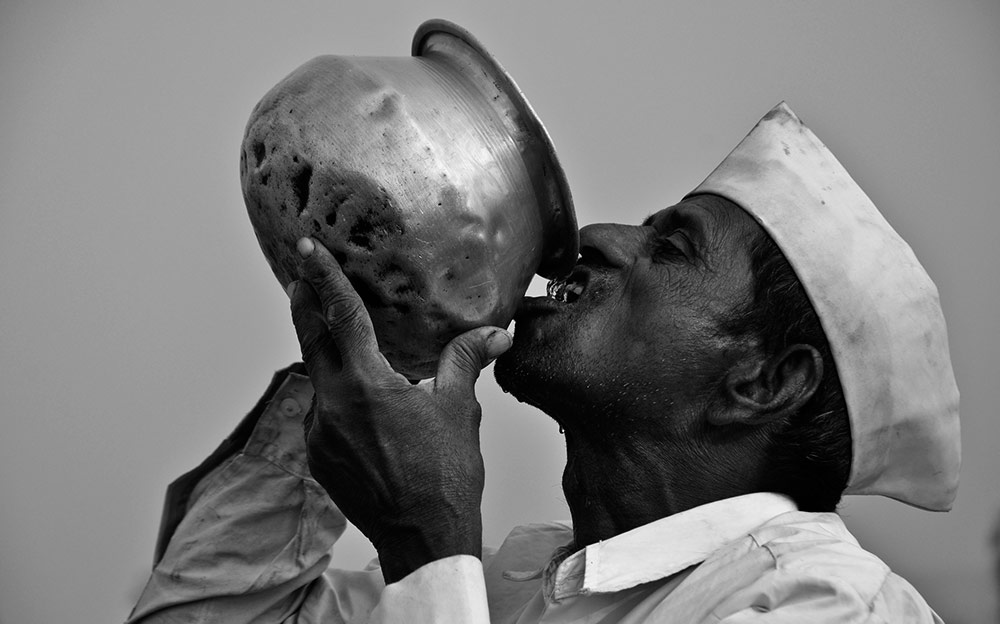
At the risk of stating the obvious, water is precious. Potable water, more so. Water, which presumably should ideally be a human birthright is becoming dearer in that like anything else in the economy, the demand is rising, the supply is falling and the price is skyrocketing. Do we understand the gravity of the situation? Is there a real reason to be concerned or are we just being a little paranoid. Are we victims or perpetrators? or perhaps hopefully we are both. That just mean it is up to us to make the change.
So we turned to twitter to ask experts what they think. Following is what ensued.
Experts are of the opinion that water is sourced mainly from the ground and it is most used in the area of agriculture. We know that the groundwater levels are diminishing and agricultural demands are increasing as our population flourishes.
Surely, there are some stats that will validate the information so that we don’t go by mere hunch.
While the outcome is one, the causes seem to indicate that the problem is really systemic. Depleting water sources, pollution, rising demand, poor management, and pathogens make water inaccessible.
There are infrastructural and governance factors that contributes to this problem.
If we are able to narrow it down to infrastructural intervention, the next step is to identify what can be done.
While these are macro level solutions, there has to be some way that individuals can contribute to the cause.
The very basics of reducing and optimising water usage by knowing when to keep taps running, at what level and when to turn if off goes a long way. So does reusing rainwater and fixing leaky pipes.
Can the language we use change help change perception of what we have to deal with?
Wastewater has a connotation of being unusable or even untreatable.
What does a water conserving community look like?
In the simplest terms, it's all about empowering the individual to serve the community. Everyone has to be made a part of the decision making process.
Naturally synthesising the individuals, communities, and systems would cause a cultural change. We asked how we could build a culture that believes in, and practices water conservation.
Awareness campaigns, access to technology and tax benefits ties everything together.
Water conservation is an urgent concern and requires individual ownership and participatory efforts to fix. The fact is that we have put ourselves in this situation of water crisis, and only we can take steps to make sure we don’t run out water. It’s time to start conserving water, before it gets too late.
Alarm Bajne Se Pehle #JaagoRe
Disclaimer:
The views expressed by the experts belong to the experts alone, and do not necessarily reflect that of the brand.
Share this story on

No one knows I won a medal for India
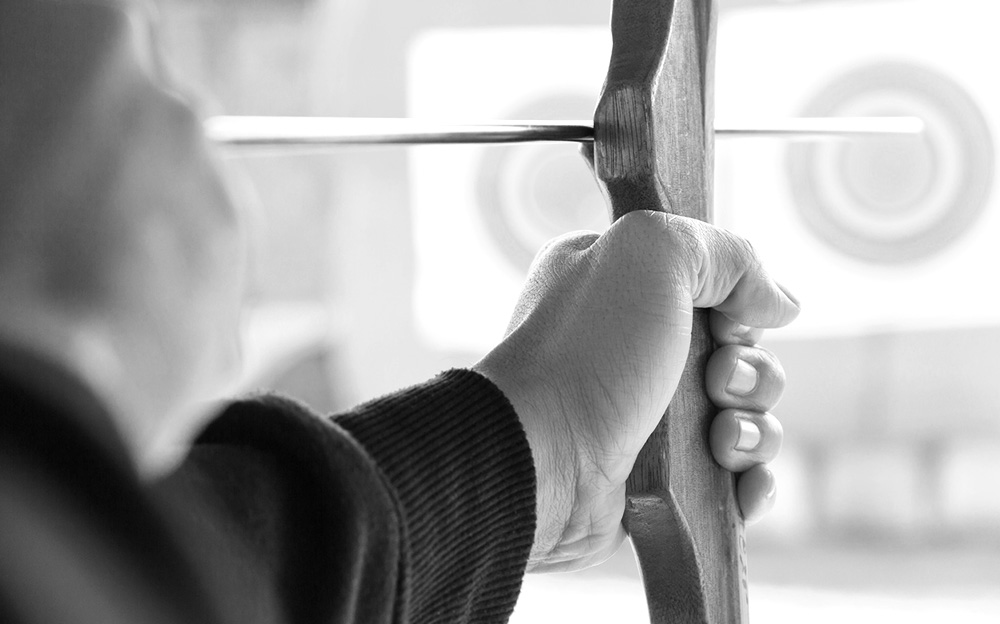
I used to be a skilled archer but now I just teach at the local school. When I was a kid, I went to the circus and I was enamoured by an archery show held there. I knew then, that I wanted to be an archer.
Back in my days, pursuing such a career path was unheard of. I was doing it against all odds. And I was well aware of that. What I didn’t expect is how it would take a turn for the worse.
Back in my prime, I brought a medal back to India. I am very proud of it and when I won it, I had hoped that it would rouse the nation’s interest in archery. That somehow, this sport would earn a place in mainstream sports.
That’s not how it works though, does it?
It’s been 30 years since I brought home the medal. Has a lot changed since then? Not much, I’m afraid. Even today, archery comes into the limelight only when an archer wins. And it's is possibly talked about more when he or she loses. People who meet me, are surprised that I used to be an archer. Used to. They wonder why I gave it up, or why I didn’t take up coaching. I wanted to. I tried. But who would I coach? How would I convince the few hopefuls that one can be a successful archer in India? Isn’t archery a sport just like any other? Or am I being unrealistic to even assume that?
We need to acknowledge the problem with our sports doesn't lie with the athletes, but with us.
We have waited for the next Olympic champ to give up. For the next aspiring sports person to be discouraged and to turn away. For the next failure at an international championship.
We have simply waited until things blow out of proportion. Don’t wait before it’s too late. Start taking an interest and being a voice for our raw talent that’s on the verge of giving up.
Alarm Bajne Se Pehle Jaago Re!
Share this story on
5 alarming images from India that don't alarm us any more
The pollution, the dust, the filth, the contamination of our cities - it's staring us in our faces. No matter how much we look away, how much we try to turn a blind eye, it's screaming for our attention.
We are living in so much squalor and filth, and we are repulsed by it.
Here are just five images that will remind us of the sorry state of our collapsing cities and hometowns.
Our beautiful lakes. That have more muck flowing in them than water.
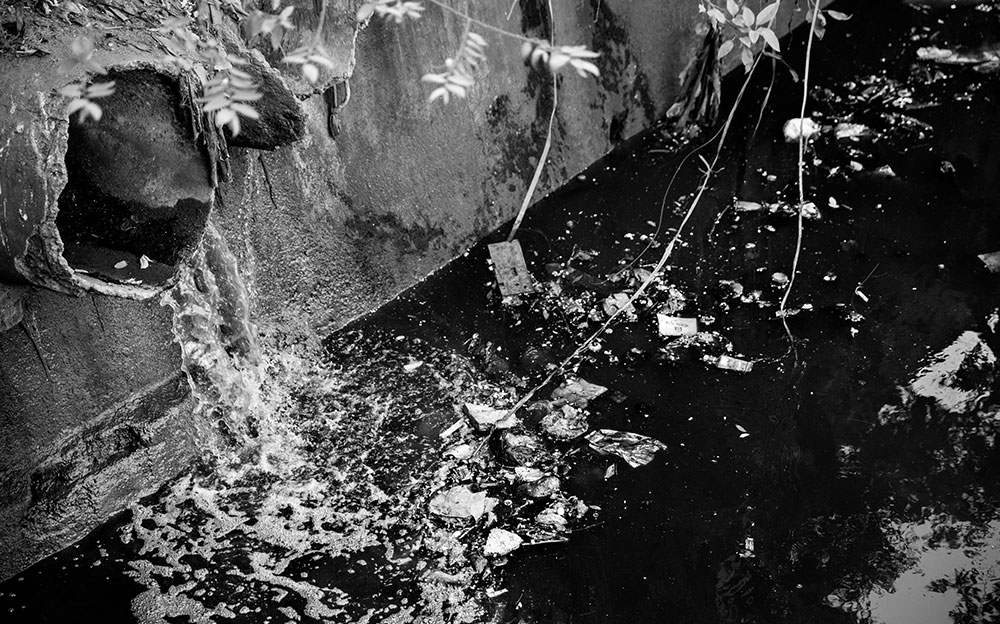
Our pretty cities where we breathe more toxins than oxygen.
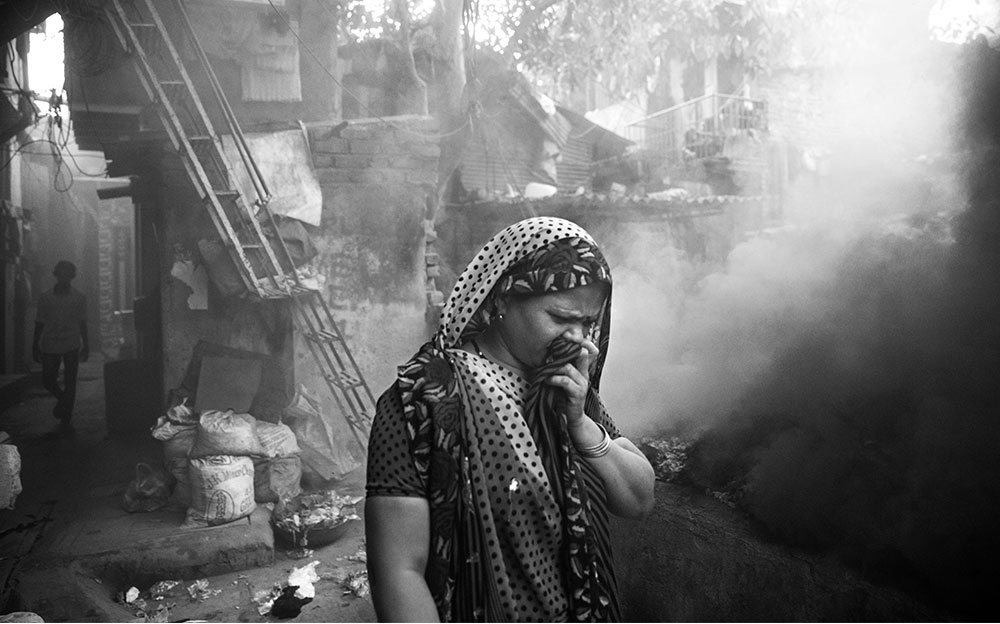
Our state-of-the-art buildings that have more floating piles of plastic junk than solid foundations
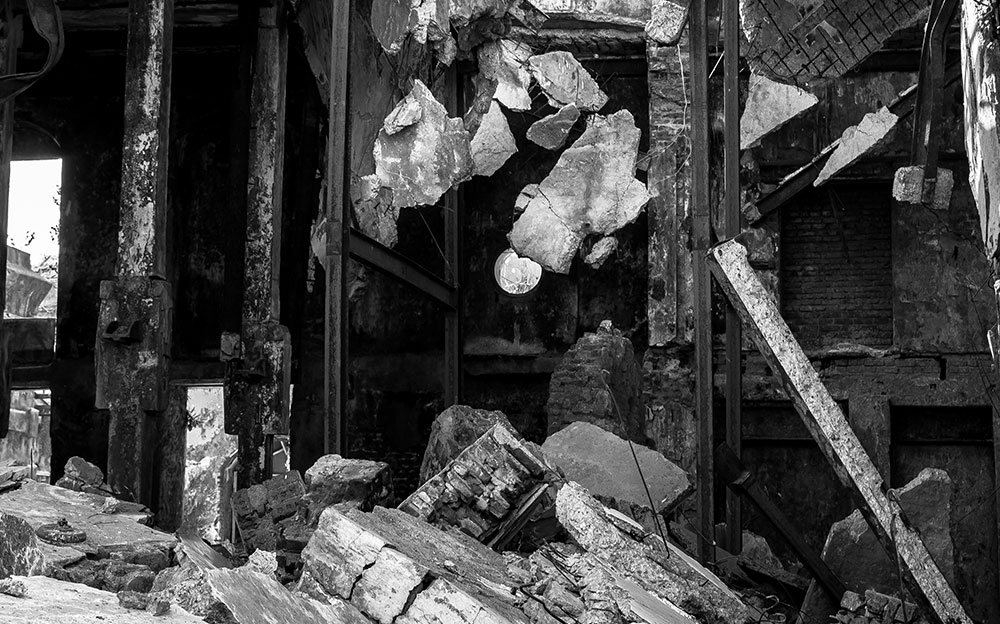
Our immaculate cities that look like disaster zones.
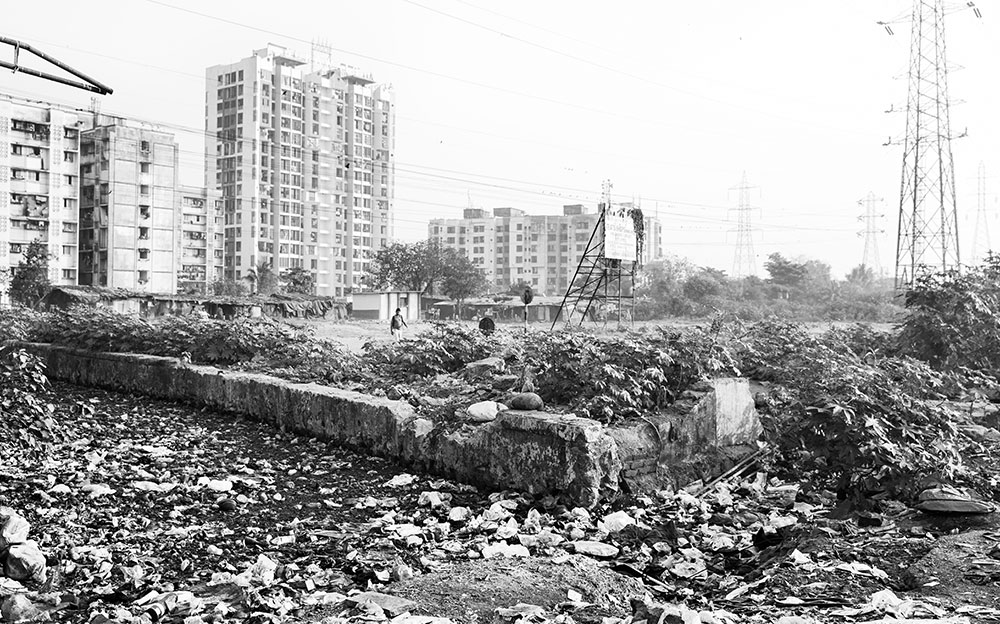
Our skies that have dangerous live wire hanging loose
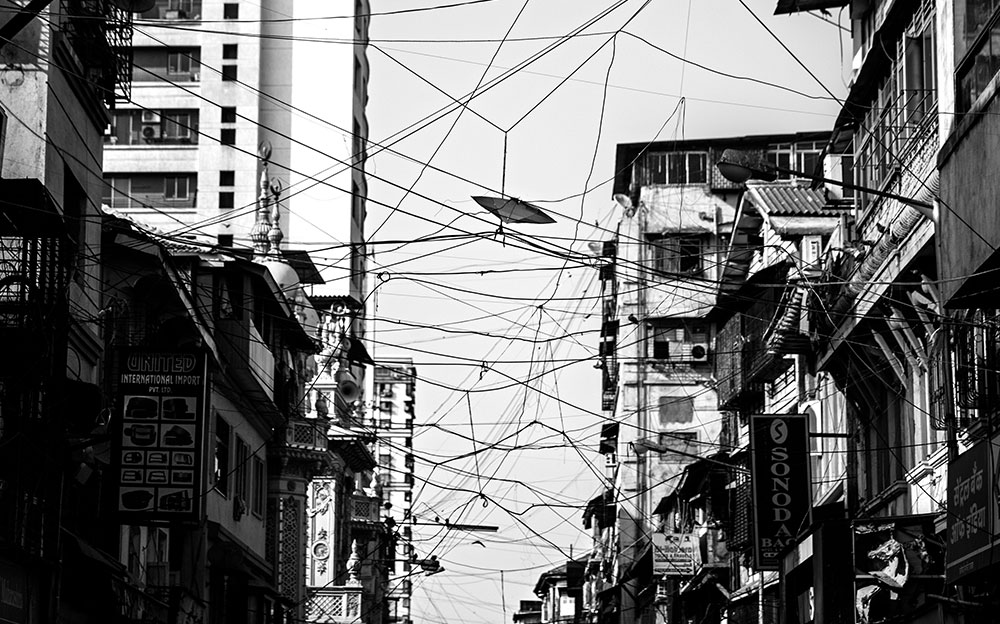
Let these alarming images move you to action
This is the pitiable state of our cities. Our city structures are now beyond despair.
We continue to look away, continue to ignore, and neglect our cities that are falling apart. What will it take for us to wake up from our stupor? When will we stop turning away, and start paying attention?
Wake up, before the last of our cities that are home to us crumble apart. Stop ignoring, and start working to improve and rehabilitate our cities.
Alarm Bajne Se Pehle #JaagoRe!
Share this story on
5 athletes India has forgotten
There are several talented sports persons that brought back many medals to India. Yet many of them have perished away, far from the limelight, with no recognition, accolades or credit whatsoever. Here’s a look at five important sports talent India neglected.
Asha Roy, India’s fastest runner who quit the track
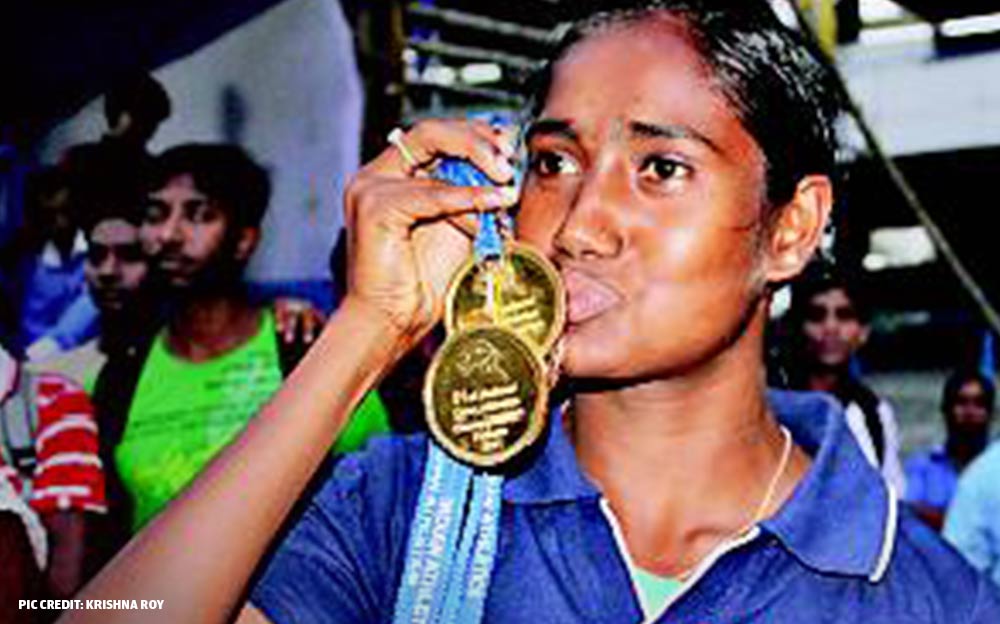
She is the fastest Indian on track, yet most Indians are unaware of her. India's fastest runner today struggles to eat three square meals a day. In 2011, she set a record at the National Open Athletics Championship in Kolkatta.
She is the daughter of a vegetable seller hailing from a small village in West Bengal. Inspite of her impoverished background, she made it to the top.
Yet with no support, training and struggling for even basic necessities like food, the fastest runner remains defeated by our country.
Kamal Kumar, former boxer now a garbage collector
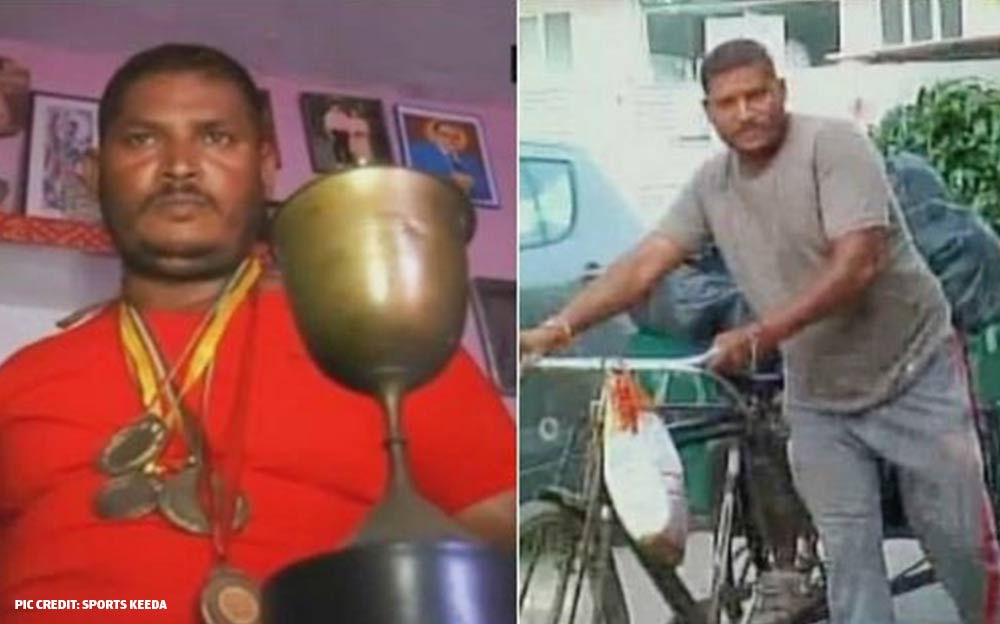
Kamal Kumar Valmiki has won three State level Gold medals in boxing. Today, he's collecting garbage on the streets.
He wanted a coaching job at a state level academy. But lack of funds forced him to take to the streets, literally. Today he's supporting his four kids, and the medals are stashed away. Perhaps of little value to him, not more than the trash he picks up off the streets, that actually supports his family.
Rashmita Patra, football player selling betelnut paan
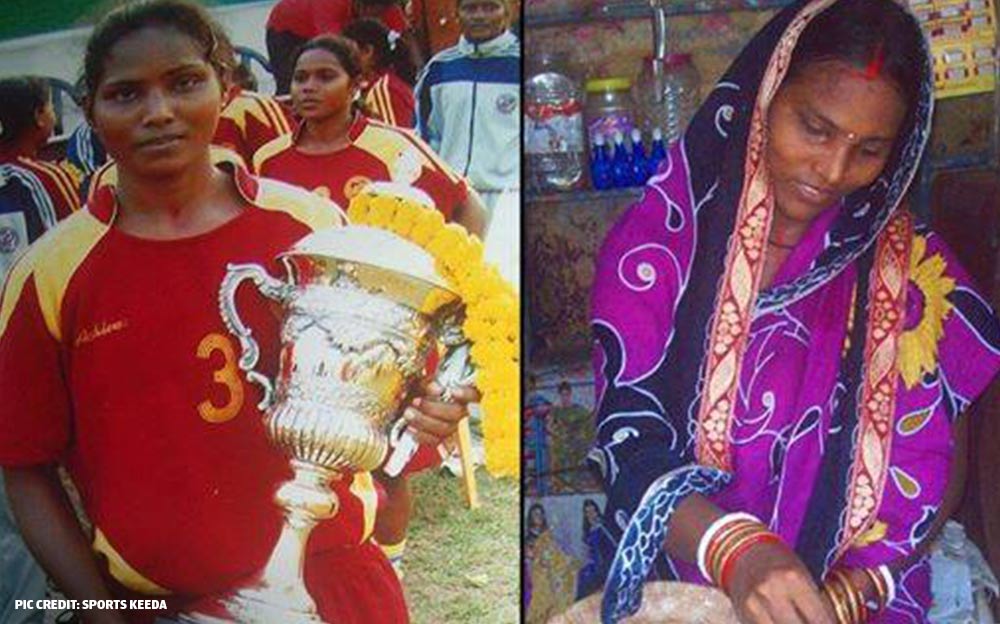
An international football player now sells betelnut paan in her village.
This footballer from Orrissa represented India in Malaysia, Bahrain and Bangladesh at international championships. Yet poverty forced her to quit football. She married a traditional fisherman and now runs a betelnut shop to fend for her baby back in her village.
Nisha Rani Dutta, archery champ sold her bow after house collapse
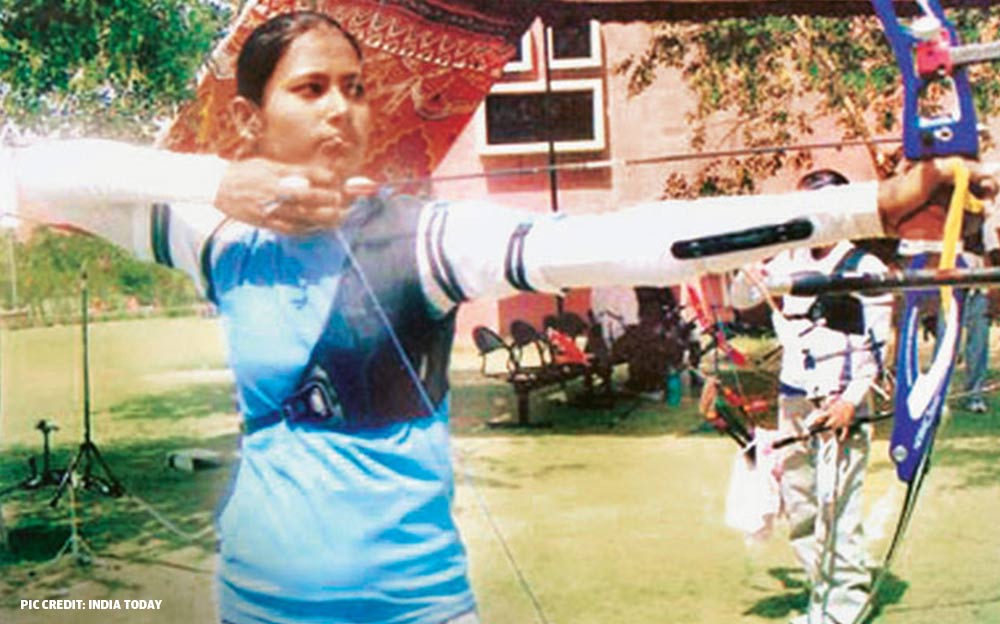
This former archery champ had represented India in Bangkok, Taiwan and brought home many medals. Yet tragedy struck when her house collapsed in a deluge. She was then forced to sell her archery bow for 50,000 Rs.
Her trainer had gifted her the bow which was worth about Rs. 4 lakh.
With no financial or logistical support, she eventually quit the sport.
Murlikant Petkar - India's first gold medalist in the Paralympics forgotten
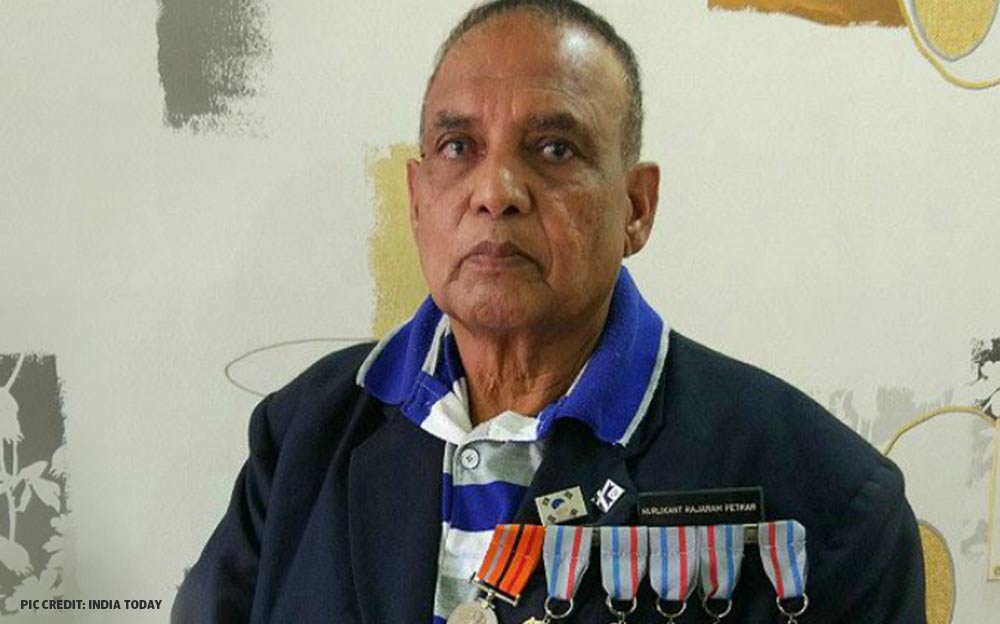
Not even the Paralympics Committee recognises him, but Petkar is the first Indian to win an individual gold medal in either Paralympics or Olympics.
Very few are aware of his achievements in swimming, javelin throw and precision javelin throw disciplines back in Germany in 1972.
Petkar was really a multi-faceted sportsperson. A boxer before he suffered permanent disabilities in the India-Pakistan war in 1965, the soldier from Electronics and Mechanical Engineering (EME) unit of Indian Army switched to swimming, athletics, table tennis and slalom after sustaining severe bullet injuries during combat.
Yet he fails to get his due recognition till date.
How many more sports talent can we afford to lose?
We wait until the last sportsperson gives up, the last gold medallist disappears into oblivion. We have waited for our sports talent to wither away. It’s time we begin to give every sport, and all deserving sports persons their due credit, recognition and support.
It’s about time.
Alarm Bajne Se Pehle #JaagoRe!
Share this story on
5 sports persons India has forgotten
There are several talented sports persons that brought back many medals to India. Yet many of them have perished away, far from the limelight, with no recognition, accolades or credit at all. Here’s a look at five important sports talent India neglected.
Asha Roy, India’s fastest runner who quit the track
She is the fastest Indian on track, yet most Indians are unaware of her. India's fastest runner today struggles to eat three square meals a day. In 2011, she set a record at the National Open Athletics Championship in Kolkatta.
She is the daughter of a vegetable seller hailing from a small village in West Bengal. Inspite of her impoverished background, she made it to the top.
Yet with no support, training and struggling for even basic necessities like food, the fastest runner remains defeated by our country.
Kamal Kumar, former boxer now a garbage collector
Kamal Kumar Valmiki has won three State level Gold medals in boxing. Today, he's collecting garbage on the streets.
He wanted a coaching job at a state level academy. But lack of funds forced him to take to the streets, literally. Today he's supporting his four kids, and the medals are stashed away. Perhaps of little value to him, not more than the trash he picks up off the streets, that actually supports his family.
Rashmita Patra, football player selling betelnut paan
An international football player now sells betelnut paan in her village.
This footballer from Orrissa represented India in Malaysia, Bahrain and Bangladesh at international championships. Yet poverty forced her to quit football. She married a traditional fisherman and now runs a betelnut shop to fend for her baby back in her village.
Nisha Rani Dutta, archery champ sold her bow after house collapse
This former archery champ had represented India in Bangkok, Taiwan and brought home many medals. Yet tragedy struck when her house collapsed in a deluge. She was then forced to sell her archery bow for 50,000 Rs.
Her trainer had gifted her the bow which was worth about Rs. 4 lakh.
With no financial or logistical support, she eventually quit the sport.
Murlikant Petkar - India's first gold medalist in the Paralympics forgotten
Not even the Paralympics Committee recognises him, but Petkar is the first Indian to win an individual gold medal in either Paralympics or Olympics.
Very few are aware of his achievements in swimming, javelin throw and precision javelin throw disciplines back in Germany in 1972.
Petkar was really a multi-faceted sportsperson. A boxer before he suffered permanent disabilities in the India-Pakistan war in 1965, the soldier from Electronics and Mechanical Engineering (EME) unit of Indian Army switched to swimming, athletics, table tennis and slalom after sustaining severe bullet injuries during combat.
Yet he fails to get his due recognition till date.
How many more sports talent can we afford to lose?
We wait until the last sportsperson gives up, the last gold medallist disappears into oblivion. We have waited for our sports talent to wither away. It’s time we begin to give every sport, and all deserving sports persons their due credit, recognition and support.
It’s about time.
Alarm Bajne Se Pehle #JaagoRe!
Share this story on
Questions Indian Moms Avoid
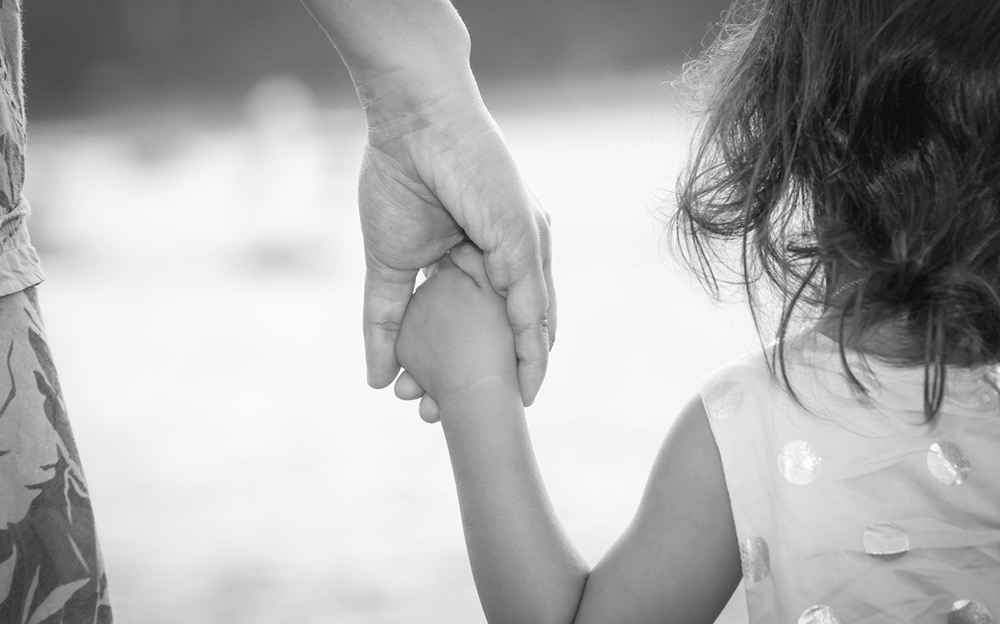
The thing with children is that they have a way of putting things in perspective. The questions they ask are sometimes so simple, yet heavy.
For example, take a look at some of these questions:
If only we realised, the example that we are setting for our children is so wrong. If only we become conscious of our choices - of being silent. Or of reacting when it's too late. If only we understood... that the truth may not be spoken - yet it cannot be ignored!
Our children are going to bear the brunt of our indifference and reactionary behaviour. If we want them to have a secure future, we need to be the role models who change the present now! Let’s take a step toward change, by changing how we tackle these problems. Let’s be the adults we want our children to grow up to become!
Alarm Bajne Se Pehle #JaagoRe!
Share this story on
3 Things That Are Normal For Indians
1. Calling a disaster ‘Home Sweet Home’
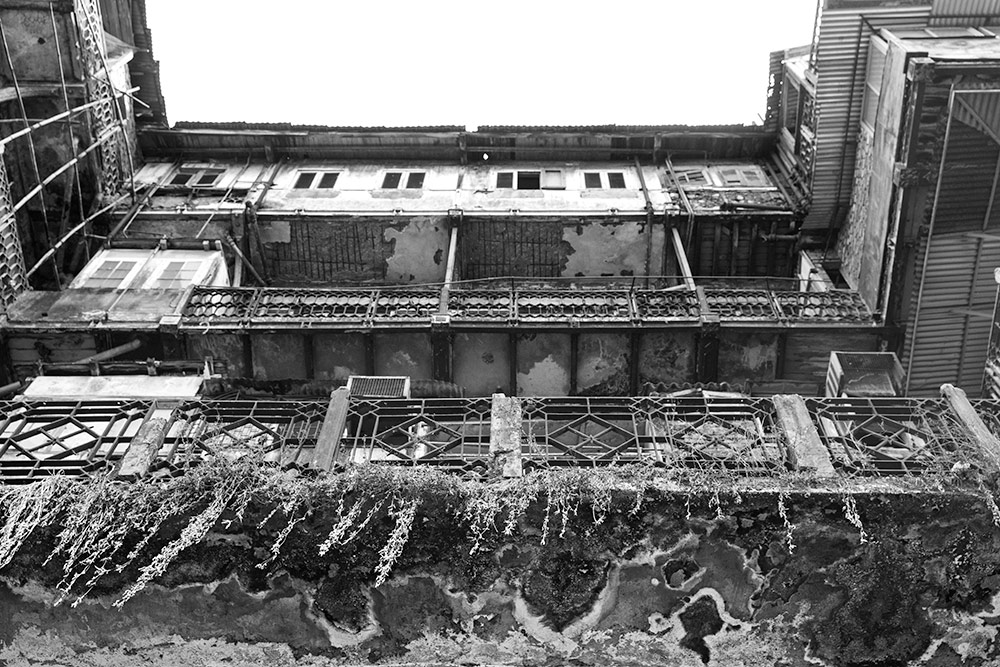
We live in buildings that are in shambles and could crumble any moment. We are oblivious to the danger that’s lurking in the corridors. We walk down staircases that could any time open into an abyss of pain. But we continue to trudge on, oblivious to our surroundings.
2. Walking on shabby bridges
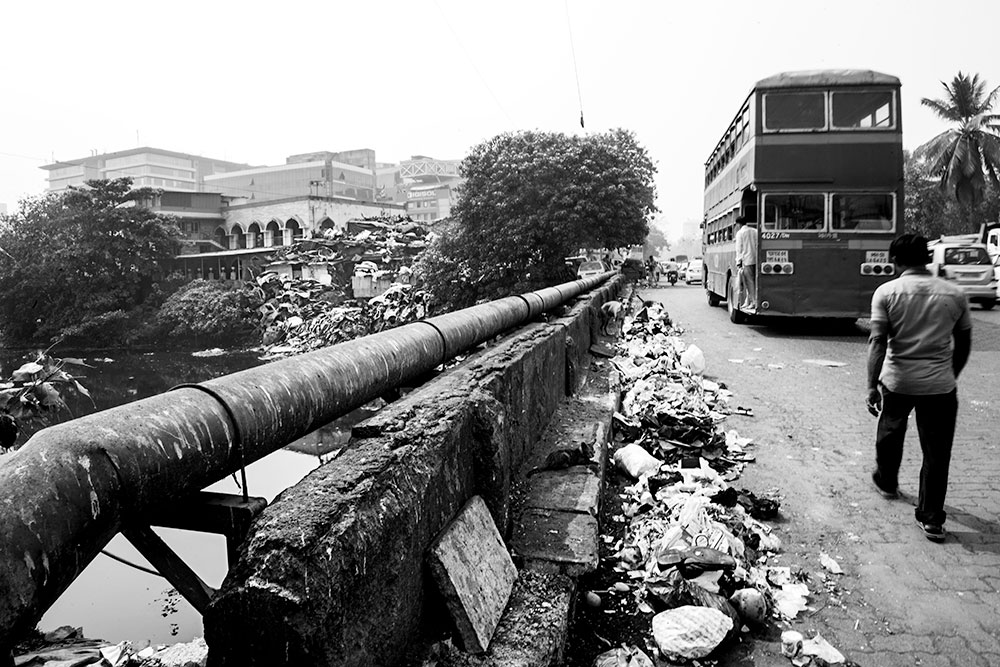
We all have that one route we take, whether we go to office, or home. The same route is taken by several others too. It's become a part of our daily routine. We are so engrossed in getting to our destination, we fail to see the signs of the impending disaster staring at us...even as we go about our very routine.
3. Escaping death under a maze of live wires
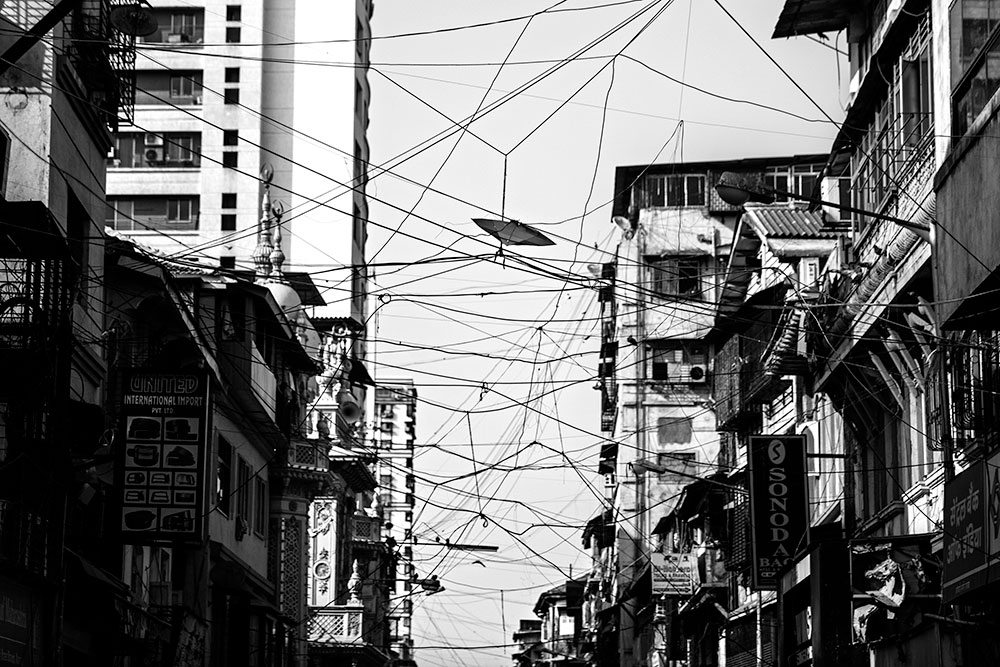
We definitely have a taste for risk-taking. Or else, why would we think all sort of live wires hanging over our heads are no big deal? To add to that, we are living in a tropical region, which means monsoons visit us every so often. Definitely, a recipe for disaster.
Stop Normalising Disasters
Why are we so apathetic to what’s happening around us? Why do we suddenly become vigilant and reactive after that bridge falls, or that building topples over, or someone gets electrocuted?
Why do we protest do once these disasters have already struck - when we could be making an even bigger impact before crisis hits home?
We have to stop normalising disaster and raise the flag before it’s too late.
Alarm Bajne Se Pehle #Jaagore!
Share this story on
Open letter from a date rape drug to women
Dear foolish lady,
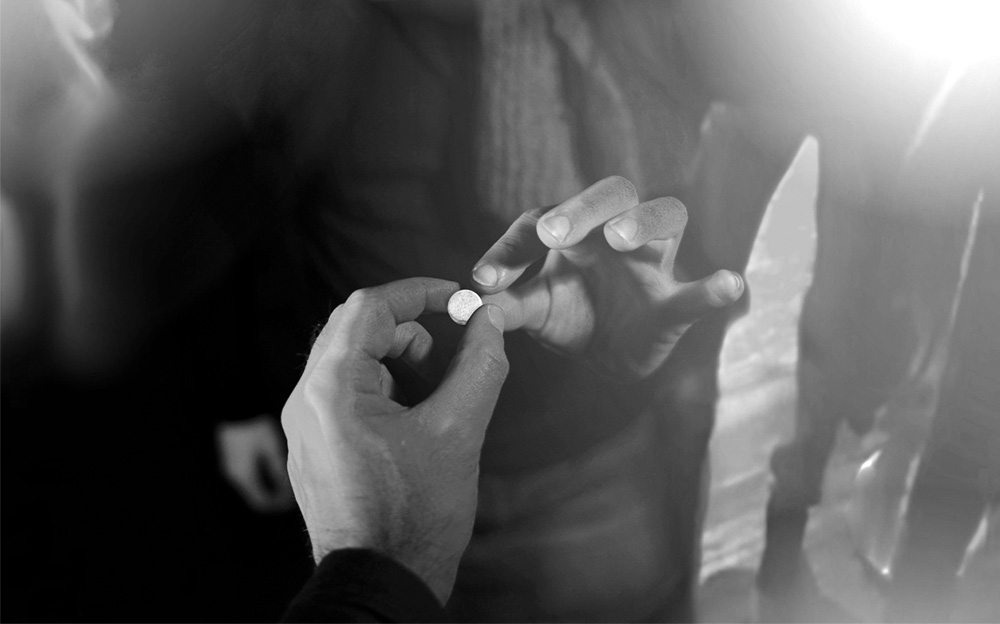
Allow me to introduce myself. I am so easily available, just like your consent is - or isn’t. You can buy me anywhere at the nearest chemist's store. And for a little extra money, the bill will also magically disappear. I am peddled around at parties like hors d'oeuvres. If people have their way, I’ll find my way into more than one woman’s drink, on the nights I make my special appearances. I leave no side-effects. Unless of course you count rape as a side-effect. Anyway that’s what rape is viewed as - a side-effect of YOUR actions.
When I am feeling lucky, a lot of women aren’t.
And that, my friend, is where you come in. I remember you so clearly from the other night. You were standing there, all happy and excited about the night that lay ahead of you. Little did you know that that one drink will change your perception of socialising forever.
It’s funny that you even thought you had the right to go out and have fun. Shame on you for ever thinking that you can step out.
I mean, what is the matter with you?
Who are you to assume that you can just lose all abandon and act normal? Do the words ‘be normal’ even exist for you? Look at yourself. You are an object to be scrutinised and used at anyone’s whim and fancy - have you learnt nothing at all?
Sure, you can go out with ‘the girls’ - I mean your perception of safety is laughable and questionable. The ‘girls’ are protecting YOU? Your common sense has dissolved. Just like I have, in the drink you left unsupervised during the five seconds you took to retrieve your wallet from the floor.
What happened to you after that is your fault, obviously. In the event of all the rapes that have occurred just in the past two months, one would have thought that being cautious is the only way to live. You had to act fearless and up the ante on the risk factor. You’re going to a party with strange men around - it’s like you’re asking disaster to RSVP at you.
The horror of having a strange man lay claim to your body, to do with your body as he pleases, to drug you into submission and leave you helpless - it’s the price you pay for thinking that it’s completely okay TO BE YOU. You don’t go out girl, that’s more like it.
Well, there’s only so much anyone can say I guess. Perhaps the next time you do decide to venture out, try keeping your hands to yourself. You know, not wrapped around a glass, for instance. Then maybe, just maybe, you won’t wake up on the wrong side of the bed, absolutely no pun intended.
Menacingly Yours,
A date rape drug.
Share this story on
Saving one life at a time: Rescuing Indian farmers
India has seen more than 3 lakh farmer suicides since 1995, which means more than one farmer committed suicide every hour*. While media coverage has brought national attention to the condition of farmers in India, majority of us wait helplessly, expressing our angst on social media year after year.
Not only is our understanding of factors leading to farmer's suicides limited, we are also ignorant of the ways in which we can affect a change in their situation. In fact, many of us believe that it is not possible for the 'aam aadmi' to help farmers.
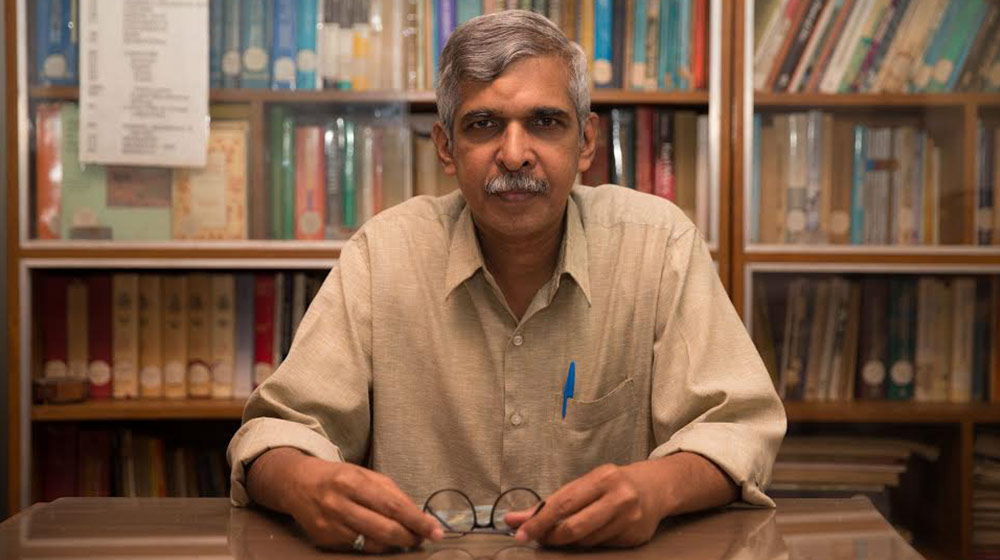
As we wait for another year of a seemingly brutal summer, and headlines of social and economic causes pushing more farmers to the brink, here’s a story on Pre-activist Babu P, Chief functionary at ICRA (Institute for Cultural Research and Action (ICRA).
ICRA is a developmental organisation working with over 3000 marginalised farmers in rain fed regions of Karnataka for over 15 years. His associate V Gayathri, edits the bimonthly Sahaja Saguvali, a bimonthly farm magazine in Kannada. They have been tirelessly working to turn around the plight of struggling farmers. Babu P. explains the issues on the ground for us.
ICRA and sustainable farming with over 3000 farmers
"Right from the 1990s, we were highly concerned about environmental issues. Through ICRA, we have begun a sustainable organic culture across several parts of Karnataka. We have been working with tribes and farmers, indigenous communities and hold trainings and workshops for them.
Through ICRA, the first generation of organic farmers is now working in the fields of the State.
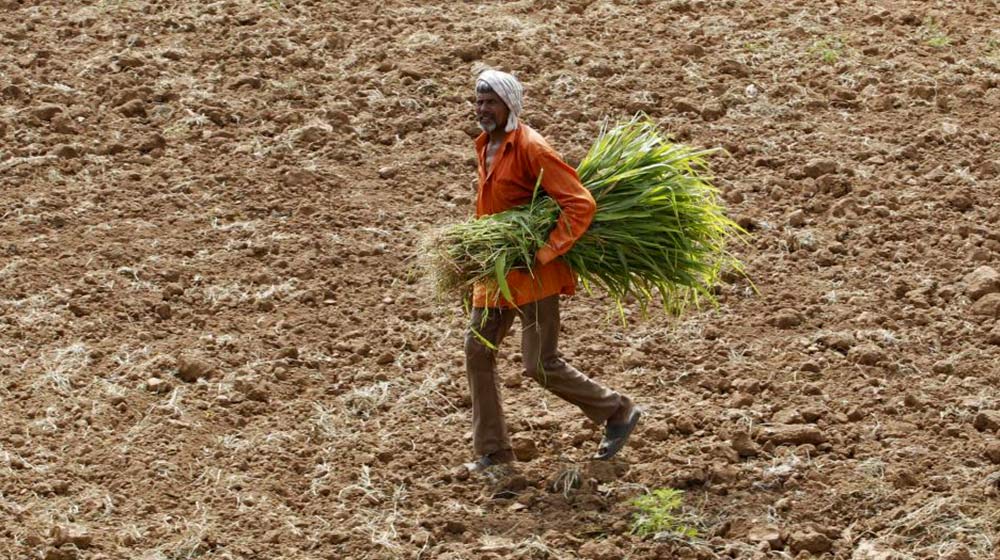
An unforgiving land: why farmers are driven to suicide
We have carried a study on farmer’s suicide over the years. It is hard to explain to someone who is unfamiliar with farming about the issues related with it.
Heavy loans are something farmers cannot escape. The social pressures and taboos that come with loans are hard for them to bear. The farming community is driven by certain values that we may not relate to.
Recurrent crop failures make farmers migrate to cities in search of jobs. Some migrate to mine factories. Men who move to mining have faced several health hazards. Once they migrate and abandon their lands, they cannot go back. The lands turn infertile.
Rekindling hope for farmers
We attempt to create an environment where farming is creative, profitable and secure.
In Bellary district, over 500 farmers had migrated to mining and were working under hazardous conditions. We reintroduced them back to farming by first clearing their lands and turning them productive. We created community based ‘sanghas’ to rope them back into farming.
There are several new agricultural practices that farmers are unaware of. We train them in this regard.
Often, we try to get them to raise funds and loans within the ‘sanghas’ itself. This way, people in the community themselves look out for each other.
We also help them make their soil more fertile, help them adjust their crops and plantings to the changes in climate. Today even droughts don’t affect farmers. Many of them are well equipped to handle extreme situations. These are the real heroes. We have also acquired land titles for many farmers that had no prior documentation or proof of their land holdings.
What can ordinary citizens do to help them?
To begin with, youngsters can start consuming and promoting organic farming.
Secondly, there needs to be a system in place, an organisational structure where people can volunteer, meet farmers, teach them, learn from them as to how they survive in the toughest of conditions. Many attempt to volunteer and go to their villages, but can’t stay there for even a week.
When citizen’s groups come together and pressurise the Government, a state intervention could finally come in place, which is of dire need now. The society and the State both have to change their policy and approach.
If they can do it, why can’t we?
Farming is seen as a challenging occupation, which offers neither money, nor respect. In such a scenario, pre-activists like Babu P. stepped in to make a real difference in the lives of many farmers.
It’s time we too channelled our discomfort with farmer suicide more constructively. It’s time we moved towards acting while there is hope, rather than reacting in despair of lakhs of lives lost. Because for lakhs of farmers in India, the clock is ticking.
Before yet another farm turns dry. Before yet another life is lost...
Alarm bajne se pehle Jaago Re!
*Source: The Indian Express
Share this story on
Why I don’t walk alone anymore
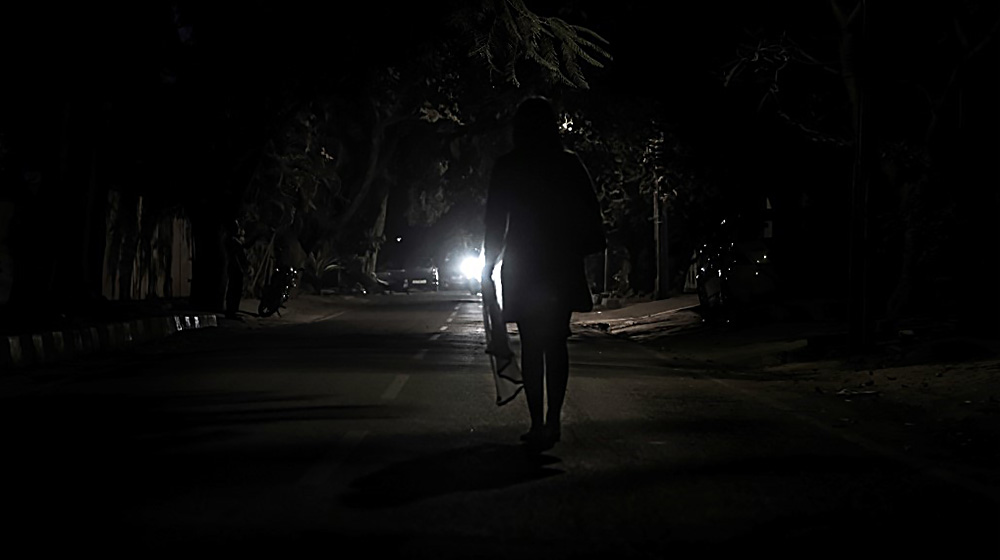
I was walking to my friend’s place when it happened. I was wearing a normal salwar kameez, watching my step as I walked. The next thing I remember, I fell face down on the pavement and a small crowd gathered around me. I got up, my salwar torn at my knees, my dupatta gone, my neck bearing a sore red mark.
A bike rode past me and the man on the pillion had grabbed my dupatta and sped off; laughing at my horror and calling me names.
I was shaken and my head was in absolute turmoil. This was broad daylight - these things aren’t supposed to happen in the middle of the day with a dozen people milling around. I felt violated and angry, hot tears streamed down my face, as some women patted my back and guided me to a seat. The crowd eventually dispersed once they knew that I was alright. Someone kindly offered to drop me home, but I declined, more out of distrust than politeness.
I shudder to think what would have happened, if I were walking at night, instead of the day. And to think that the culprits who did this to me, are riding around on their motorcycles, doing the same thing to every other woman they come across.
The rest of us, victims of such blatant attacks, can only get back to our routines. Pretending as if this is the most we will ever endure.
Rape doesn’t come with a warning
Women's safety is not a new issue that's just cropped up... it's been a lingering problem for a very long time in India. Why are we waiting for the next attack, the next rape, and the next brutality to finally get serious and start working towards a change?
If these issues were addressed with urgency before, things may have been different today. Don't wait for the next act of violence of against a woman to react, to finally start walking the path of change.
Alarm Bajne Se Pehle Jaago Re!
Share this story on