Paving a way to build a safer society for women: A conversation with Anand Koti

With the recent rape cases discussions on the situation of women and children safety in India have surfaced yet again. However, statistics prove that our reactions to these incidents do not help much. India records a crime against a woman every 1.7 minutes; every 16 minutes a rape is recorded whereas domestic violence against a woman is recorded every 4.4 minutes (NCRB). Clearly, reacting to incidents is not enough. We need to act on issues of women safety before other incidents happen. We need to Pre-Act. But, how?
The Tata Tea Jaago Re ‘Suraksha’ initiative was launched to empower young girls across India through self-defense classes. 93,000 girls were trained, not just with physical self-defense skills, but also with the psychological training to take their safety into their own hands. But this was just a step towards ensuring women safety. The larger onus lies on each of us individually to empower women around us. When more people will step up to Pre-Act, we will be able to build a safer society. One such Pre-Activist we spoke to is Anand Koti, a professional martial-arts expert who is empowering girls through the Mission 1000 initiative by his organization, the Colorss Foundation (established on 15th Sep, 2008).
This is his story as a Pre-Activist.
What is Mission 1000?
With daily news about rising gender discrimination and crimes against women, I felt that there is a need for people and the society to change things at everyday levels. I am a martial artist, and one thing I knew I could do was use Karate as an agent of social change. So, we launched Mission 1000.
Mission 1000 is a project that is spread across either 6 or 10 days. In one financial year we aim to train 1000 girls/women from underprivileged societies. In this project the girls are taught 5-9 self-defense techniques. Gradually the intensity of the workshop increases as it helps to improve their endurance and builds stamina.
We have created ‘Self-Confidence Booster’ Module which is an amalgamation of meditation and martial arts, to help boost the self-esteem of the girls/women. This module specifically addresses important issues which are psychological as well physiological in nature, and is tweaked for each individual.
How we are changing the situation through technology
Our main goal is to create an impact which stays for a longer period of time. The positive impact of the project was observed when the girls from our workshops trained their mothers and sisters. Also, technology is being used to achieve our aim. We have designed and developed Quick Self Defense application for android phones. This is a standalone application, which means that you only need to download it once. Internet connectivity is not required to run this application. This application teaches the user 9 self-defense techniques and is available in more than 18 languages.
How can each of us be a Pre-Activist?
We should practice ‘one step at a time’. Parenting needs to be redefined. The boys must be educated to respect girls. Citizens having an expertise on gender sensitization should conduct workshops for parents and families. The Gender Gap is not only for the less privileged society. The women across the society are facing these issues at different intensity.
Surprisingly, we have come across a large number of citizens who are not interested in our workshops and they feel that it’s not important for them to learn self-defense. However, the entire idea is not about self-defense and protection. It’s about addressing your psychological and physiological needs directly. Better mental health is the solution and self-defense training is a must. You never know when it can be used. Self-defense is required not only to protect yourself from others but to protect yourself from your family and friends too.
Anand Koti believes that to address an issue, we need to first understand the root cause, and then Pre-Act to ensure we tackle the issue on time. Share your thoughts on what practices you think Indians must adopt on a daily basis to ensure women’s safety.
Write to us on our Facebook and Twitter pages, or email us at jaagorein@gmail.com.To know more about the Tata Tea Jaago Re Suraksha initiative, visit jaagore.com
Alarm Bajne Se Pehle #JaagoRe
Sources: MapsofIndia.com, NCRB
Share this story on
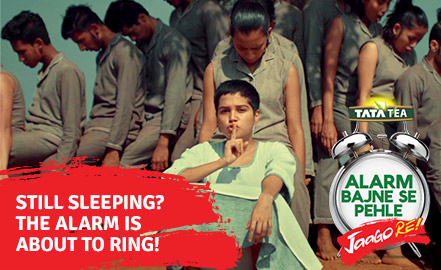

Earth Day Network: Pre-Act Today to Lead Our Planet to a Better Tomorrow

“Awareness, responsibility, action, outreach” – Earth Day Network
Did you know, only 9% of the earth’s plastic is getting recycled? Or that animals across 400 species have at some point ingested or gotten entangled in plastic waste? Or even that, by 2050, oceans will contain more plastic than fish, by weight?
Let’s soak this in for a second.
Why do we nonchalantly overlook disasters? Why do we attempt at making a difference only once disaster strikes? As a nation we are falling short of being good inhabitants of our planet because of our lack of knowledge and urge to pre-act. We casually reverberate the words, ‘it’s not too late’ and continue to watch disasters snowball before our eyes.
We fail to evaluate the extent to which our daily practices affect our environment.
For example, how many plastic bags do we use a day? How long do we keep the shower running every day? How often do we leave our phones to charge for long hours every night?
These seemingly innocent practices have a huge impact on the environment, but our ignorance of these impacts does not absolve us of the responsibility to address them.
In light of the 'Countdown to 2020' campaign, we reached out to Earth Day Network India to explore the steps an individual can take on a personal level to adopt environmentally sustainable practices for a healthier and greener future by 2020.
Below are a few excerpts from our conversation with them.
What are the changes we can make at a personal level?
Being aware of your routine in order to change it for the better is a great step towards reducing your carbon footprint. For example, did you know:
- The most power-efficient air-conditioner is 5 Star DC
- Plastic waste can be shredded & sold to cement plants as an alternative for coal
- Lowering the brightness on your computer screens saves energy
- Using plastic is not eco-friendly
- Carrying a cloth bag when buying things from the supermarket helps reduce your plastic footprint
The Ganga and Yamuna are ranked among the world’s 10 most polluted rivers. How affected is the marine life by this?
What we know is that India’s national aquatic animal, the Ganges River Dolphins are moving away from their natural habitats, as they can only live in clean waters.
To ensure their habitat is secured, students in Varanasi are coming up with innovative practices to prevent their lives from being endangered. We look forward to see whether their efforts to clean the Ganges will help bring back this threatened species.
How can we reduce our usage of disposables like plastics, foils, cling wraps and tissue papers? How will it help us reduce our carbon foot print in the future?
A wide outreach is needed to build awareness about this.
Our carbon footprint would be hugely reduced not only by reducing plastic usage, but also by managing plastic waste systematically. Plastic waste needs to be segregated, binned and either baled and sent to recyclers, or shredded and sold to cement plants as an alternative to coal (its calorific value is four times that of coal).
It can also be used as feeder stock for constructing Polymer-Blended Bitumen Roads (an innovation patented by a Padma Shri recipient, this year).
Do you feel the - one hour of no electricity - initiative is useful in the Indian context?
No. When the power is switched on, it comes back with a surge and actually draws more current. We need to inculcate behaviour towards ‘Low Carbon Footprints.’
For this, we have developed a special Snakes and Ladder game to help kids understand what contributes to carbon footprints, and what an environment-friendly habit really is.
How can we contextualise the ‘Countdown to 2020’ in our lives, at a personal level?
Awareness, responsibility, action, outreach.
How can we help in scaling this further?
If you talk about India, then scaling is very important to create awareness. Needless to say our population is huge and diverse. A cookie-cutter approach is not going to work. Time is of essence. Thus, it is important to reach out to people who have the potential and have the platform to inspire more people – such as local government leaders, religious leaders etc.
Let’s work towards involving more influential voices from sports, film and entertainment.
In order to continue our journey towards building an eco-friendly lifestyle, we need to internalise the need to pre-act today to lead our planet to a ‘tomorrow’,
It’s time we acknowledge that the earth does not belong to us, but we belong to it, so get involved and spread the word!
Add your voice to this movement today, to shape 21st century’s environmentalism.
Tell us how you think we can catalyse this initiative further. What additional environmentally sustainable practices can we adopt?
Share your thoughts, struggles or your chapters of success in adopting sustainable practices with us, on our Facebook and Twitter pages today!
Log in or register to post your comments.
Alarm Bajne Se Pehle #JaagoRe
Sources: Earth Day Network, Plastic Pollution Coalition Organisation, The Economist
More about the Expert:
Share this story on
World Environment Day: What it takes to be the solution

“The future depends on what you do today” – Mahatma Gandhi
When we think air pollution in India, we think Delhi, but let’s take a reality check. Out of the 15 most air polluted cities in the world, 14 of them are in India.
Urban expansion increases at an alarming rate as people continue to migrate to smog-shrouded cities. More trees are cut down, the usage of vehicles increases and more amounts of garbage are disposed, among other effects.
Thus, it’s time we take the onus to become the advocates of environmental change in order to curb the steadily increasing toxicity in the air.
Let’s take a look at how different states have pre-acted at mitigating the situation so far.
Karnataka:

In order to prevent traffic jams in Bangalore and other cities, Karnataka is looking at infrastructure improvement while emphasising on mass transport systems.
Andhra Pradesh:

The Andhra Pradesh Pollution Control Board has ensured that pollution levels are kept under check by increasing green cover, monitoring carbon emissions and particulate matter, while also opting for alternate energy sources. The Visakhapatnam Port Trust and other major industrial units like HPCL are spending over INR 1,700 crore to reduce pollution in their respective units.
Telangana:

Parts of Telangana, especially Hyderabad, have taken strict measures in keeping a check on fuel adulteration along with looking at solutions to facilitate the free flow of traffic by widening roads and synchronising traffic signals.
Kerala:

In spite of Kochi and Kozhikode facing pollution issues, the Kerala Pollution Control Board has managed to keep contamination within the limits of PM 10 and PM 2.5 with the help of 5 real time monitoring stations across Kerala and will continue to establish one monitor in every district.
New Delhi:

Not only do a large number of auto rickshaws in Delhi run on compressed natural gas but the city has also implemented 30 air quality monitoring stations currently that are providing real-time air updates for citizens on the quality of air in their localities.
Other recent measures have included stricter vehicle emission norms, better control of dust pollution and higher penalties for burning garbage.
Maharashtra:

In accordance with Delhi’s environmental scheme, Mumbai has also implemented 11 air quality monitoring stations with real time updates on the quality of air in various localities. The Mumbai roads are also now frequented by new red and silver eco-friendly buses that look into curbing vehicular emissions.
Furthermore, the Maharashtra Pollution Control Board is in the process of developing a smartphone application to provide real-time air quality updates for citizens to truly understand the effects of their activities.
What’s in the Pipeline?
In order to take conversations for environmental sustainability further, the government has released a National Clean Air Programme to look at further mitigating air pollution in 100 cities including Delhi, Mumbai, Kolkata, Varanasi etc. The environment ministry in coordination with the Central government and its state counterparts will be taking the following steps:
- Expanding air quality monitoring networks.
- Certifying monitoring institutions.
- Setting up air quality forecasting systems.
- Setting up air information systems.
- Planting 1,000 crore saplings over a period of 10 years, from 2021 to 2030.
In addition to the above, 70 teams have been deployed to regulate optimum air quality management pertaining to vehicular pollution, traffic congestion, industrial emissions and activities related to construction and demolition.
How can we help?
Change begins by pre-acting at a personal level first. For instance, did you know the following steps can help curb air pollution in our homes?
- Avoid smoking indoors – Smoking indoors does not allow the smoke to escape, causing people to inhale the same air repeatedly, causing harm to your lungs and nostrils.
- Ensure your home has good ventilation – Through proper ventilation, allergens such as dust, pollen, and other irritants can escape better without individuals having to inhale it repeatedly.
- Give up plastic habits - By-products of plastic from the erosion of synthetic carpets, synthetic clothing or cosmetics are often found in the home environment and can be immensely harmful for your health.
- Get an air purifier – Air purifiers are the best way to clear the impure air and by-products of plastic from your homes.
- Plant more trees – Planting indoors and outdoors not only cleans the air but also provides fresh oxygen for your lungs.
- Maintain your vehicle – Check up on your vehicle regularly to ensures that it is not consuming extra fuel.
The need for the awareness to pre-act is warranted and having a participative society that collaborates with the government can only expedite the process of moving towards a better future.
So, let’s make our every action count!
Share your thoughts on our Facebook and Twitter pages today on how you think we can improve air quality in our environment.
Alarm Bajne Se Pehle Jaago Re
Sources:
World Health Organisation, Hindustan Times, Business Today, Economic Times, The Better India
Share this story on
The changing scenario of the culture of sports in India: A conversation with Deepthi Bopaiah

'Champions are made, not born' - Unknown
Indian athletes had an incredible run at this year's Commonweath Games in Gold Coast, Australia. With a medal haul of 26 gold, 20 silver and 20 bronze medals, India surpassed its medal tally of the last edition at Glasgow in 2014.
It is noteworthy that the scenario of sports is changing in India. However, if we look at India's performance at the Rio Olympics or the Asian Games, we would realize that we have a long way to go!
One organization working towards professionalizing Indian sports and working to improve the scenario in the country is GoSports Foundation. The Foundation’s initiatives are premised on the belief that sporting champions are created when the right talent gets the right support at the right time.
In a conversation with Tata Tea Jaago Re, Deepthi Bopaiah, Executive Director at GoSports Foundation, discusses the need to build a culture of sports in the country and the way to pre-act in order to help our athletes in their quest of putting India on the global sports map.
Converting participation into winning! Looking back at India's performance in CWG ‘18 and the road that lies ahead.
First of all, I think we need to pat ourselves on the back! The performance of all the athletes in these Commonwealth Games have been incredible, not just from the perspective of the medal tally but also the kind of performances that were displayed by each player. After all, it is always the spirit and the determination that matters! Even as an organization, we focus primarily on supporting an athlete’s pursuit of sporting excellence rather than just their podium finishes.
When we compare Commonwealth Games, Asian Games and the Olympics, we must remember that the base is really in terms of the number of countries that participate in the tournament. For instance, 76 countries participated at this year's CWG and inspite of India’s minimal representation and participation in medal-heavy sports such as athletics and swimming, we finished third in the over-all medal tally and managed a clean sweep in shooting, weightlifting, table tennis and badminton. This I feel is commendable.
Winning a medal is definitely the goal of any athlete but it can only be achieved by putting the right process of planning and training in place. Therefore, we focus on the journey of the athlete and ensure that we give them everything that they need to excel - we not only provide them the necessary mentorship through our board of advisors but also aim to fulfill their requirements around sports science, travel, training stints, and equipment, among others.
Long gone are the days when our athletes' representation in these Games was limited to participation. There is a huge change in the mindset of Indian athletes due to many factors. One of the key factors is the increased success stories of role models and it's only going to get better as we approach Tokyo Olympics 2020 and the Asian Games. Are we going to win 15-20 medals at the Olympics like a lot of reports are saying? I personally believe that there is some way to go before that happens.
Another applaudable factor of this year's CWG was the kind of collaboration that happened between the Sports Ministry, the Federations and organizations like the GoSports Foundation, with the sole aim of providing aid to the athlete. I think that if such collaborations take place more often, we will be able to see more athletes excel and bring home the medal. This kind of support is essential for athletes as it gives them the assurance that they are not fighting their own battle and have a team that would back them.
Inspiration leads to Impact: The underlying role of media in the life of an athlete!
I think media and sports outfits play a huge role in making sure that the voice of the athlete is heard. Why do you think that cricket gets this much attention? Because it's been written about, talked about, shown on television, it's everywhere! I think a lot of credit should be given to Sony Pictures Networks because they have taken some bold decisions of telecasting sports that don't get covered a lot of times. That is an important step towards creating awareness about the lesser known sports.
I think media and digital platforms have a huge responsibility when it comes to creating role models and sharing the stories of their journey. One of the pillars of our Foundation is Inspiration! We are constantly communicating these incredible athlete stories through different media channels as we believe that inspiration can strike through various sources. So inspiration is a large aspect for us from the standpoint of creating an impact. You can never document it, you can never show numbers on it but you can feel it!
Our role, as a society, to help build a sporting culture in India.
WATCH LOCAL SPORTING EVENTS! Go for state and national level tournaments, go and cheer your athletes. Enjoy, explore and expose your kids to different fields of sports and help them develop an interest in sports. It's only when we go to watch our local athletes perform, do we develop an interest in their sport and their journey. Moreover, this also helps the players to stay motivated and perform better. Cheers from the crowd always feed into the energy of the athletes and fuel their performances.
I also believe that films play an important role in this aspect. For example, the awareness about Mary Kom's or Milkha Singh's achievements increased significantly after the release of films that documented their journeys. As a society, we are extremely influenced by cinema. So my advice would be to take your kids to watch more sports-inspired films in order strengthen the sporting culture of our nation.
Message to the budding players of our nation.
You are extremely lucky because today you have people who are ready to back you in your sports journey. You have the opportunity, the exposure and the technology that athletes did not have, five years ago. Take all the opportunities and go live your dream!
What are your thoughts on the initiatives that we, as a society, can take to encourage participation in different fields of sports? Tell us how you would pre-act today to help shape the future of sports in our country?
Log in or register to post your comments.
Alarm Bajne Se Pehle #JaagoRe
Share this story on
Tata Tea ‘Suraksha’ – A step towards building a safer society

The most recent statistics from the National Crime Records Bureau show that crimes against women in India have increased by 34% in the past four years (Source: The Conversation). Additionally, a survey by ActionAid UK showed that four out of five women (79%) in the country have experienced some form of harassment or violence in public (Source: Indian Express).
We as a society have raised our voices every time there has been a disaster (we all remember the widespread protests after the Nirbhaya incident). However, our knee-jerk reactions have not succeeded in making our society safer, and nor have they addressed the real issues – the lack of gender sensitisation and lack of gender equality in our society. One way to make our society safer is to Pre-Act against these issues.
With our Tata Tea Alarm Bajne Se Pehle Jaago Re initiative, millions of Indians came together to lead the wave of Pre-Activism in India. Over 1.05 million people signed the ‘Alarm Bajne Se Pehle Jaago Re’ petition for compulsory gender sensitisation in schools, and the petition was submitted to the HRD Ministry earlier this year. Taking this movement forward, we launched ‘Suraksha’, an initiative to empower young girls across India to take their safety in their own hands.
Safety first with Tata Tea ‘Suraksha’
The initiative was carried across 328 schools in Delhi, Punjab, Haryana and Uttar Pradesh. A special self-defense training program was constructed and over 93,000 girls received self-defense training as part of the 'Suraksha' initiative.

A strong self-defense program was implemented for school girls between the age group of 10 years to 16 years. A special self-defense training module was prepared with the help of experts using elements from various martial arts such as Judo and Karate. The duration of the program was 4 days and each session was for 1.5 hours. A total of 6 hours were invested in each child during the program, making sure that the sessions were not only about physical strength but also about mental fitness. A variety of self-defense techniques were taught to the girls. The experts gave a live demo of various techniques such as elbow strike, chop attack, tiger grip, push kick and knife defense.

Pushing the limits!
This was later practiced by the girls who displayed immense dedication and enthusiasm during the entire learning process. Avinash Pandey, one of the trainers from Delhi said, "The Suraksha program has been devised in such a way that it will not only help the girls to defend themselves but at the same time boost their strength, stamina, agility and flexibility. It is extremely important for these girls to continue practicing what has been taught to them during the program. Practice holds the key to building confidence and to being ready to implement these techniques in real life situations."
Tata Tea 'Suraksha' helped Tata Consumer Products Limited to achieve its objective of connecting with the society and creating awareness on the importance of training girls to defend themselves before any unforeseen incidents occur. Let's ensure that we do our bit to help create a safer tomorrow by empowering our children today to ‘Pre-act’ and not ‘React’.
Share your suggestions on building a safer society on our Facebook and Twitter pages, or email us at jaagorein@gmail.com.
Alarm Bajne Se Pehle #JaagoRe
Sources: The Conversation, Indian Express
Share this story on
Fighting Road Rage by Rewarding Good Road Behaviour
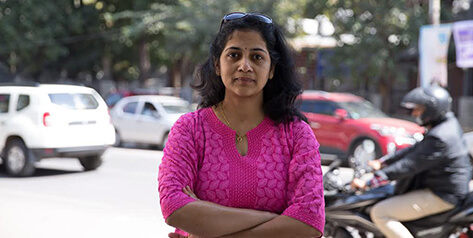
Many of us have either been a witness to, or perhaps have even participated in road rage, resulting from a variety of factors. One of them being traffic jam. It can get abusive and violent - sometimes verbal, sometimes physical. Nonetheless, we carry on with our daily commute knowing fully well that anyone can exhibit it. And that we are at the risk of being victims of road rage.
One person decided to step up and do something about it.
Here's how she's effectively working on providing solutions for the road rage menace in her city.
Stepping up to the ground - Birthing a movement for road safety
Anusha Jaishankar returned to India from California after several years and couldn’t help but see the changes. The traffic on the roads, the driver’s rage and the roadkill she witnessed were disconcerting for her. On a mission to bring about a change, she launched Positive Strokes, a community based set-up that rewards and promotes good road behaviour.
The beginnings of Positive Strokes
"Years ago, I had been in a seminar at work that talked about the Canadian police using positive reinforcement - to help redirect energies of the troubled youth from crime ridden communities.
That got me thinking. Back in India, I wanted a way to influence road behaviour by positively reinforcing good road behaviour. But there had to be a proper mechanism to do it. Perhaps one that didn’t involve standing in traffic.
A visit to the Traffic Management Centre (TMC) in my city provided me a way to address this issue. The TMC captures wrong doers using CCTV cameras placed all over the city at traffic junctions.
Positive Strokes used live feed from the cameras to identify and note down the license plate numbers of those vehicles that were seen following traffic rules and/or doing something right on the road.
For instance, some drivers stopped and waited for pedestrians to cross.
We reached out to these drivers and rewarded them with badges on 'good road behaviour', certificates etc. This method not only influenced the pleasantly surprised reward winners, but also the people at traffic management centres who were watching the traffic flow capturing good behaviour. It helped drivers know that their 'good behaviour' was appreciated.
It also gave the ones watching the behaviour on-screen a sense of the enormity of the traffic problem, along with a strong sense that they themselves should not add to the problem."
Not a smooth ride: On Overcoming Challenges
"Back in 2012, rewarding positive road behaviour was practically unheard of. Penalty and shaming were considered more popular to keep road behaviour in check.
Pushing back on and criticising an untested idea is far easier than putting oneself on the line and supporting it. It took a lot of time and effort to come up with a systematic methodology.
Armed with this, after close to two years of convincing and negotiating to get the essential people and organisations on board, Positive Strokes was launched with the first public event in 2014.
What's the road ahead like in terms of road safety in India?
With no stop in the number of vehicles being registered and the grossly inadequate road infrastructure, our cities are bursting at the seams. It plays out as a bad road experience for all road users.
On the bright side, over the last couple of years, many organisations and communities have come together to contribute to solving issues by raising awareness, taking on activist roles and by being socially conscious.
Organisations like the Bangalore Traffic Police have the basic essential technology setup and raw data about road situations over the last several years. Based on this, it is possible to make massive changes. In a city of over one crore people and half as many vehicles, technology must and will play an increasingly important role in decision/policy making and implementation. It is a long, tiring road ahead but with more people thinking about various ways to alleviate the traffic and the road safety situation, there is hope.
If she can do it, why can’t we?
“We’re all in this together.”
If we expect the right to use the road, we should also exercise the responsibility to maintain discipline, decorum and decency on the road towards all the other road users. The aim should be on being a problem solver! The fewer complainers we have and the more doers, the better our society will be. Wake up before the unruly road behaviour and road rage results in more accidents, violence and deaths.
Alarm Bajne Se Pehle Jaago Re!
Share this story on
Five Infrastructural Issues India cannot ignore any more

India’s mounting garbage problem
India generates 150 million tonnes of waste in a day. With no environmental friendly processing for the waste, the garbage is extremely hazardous, heaped together at landfills usually in the city’s outskirts, with scavengers often including young children working in unsafe conditions to segregate it.
Drinking water that’s bad for you
Over 46 million Indians are exposed to contaminated water. In fact, India has the highest number of people in the world without access to safe water, and are forced to live with contaminated water. Many children in impoverished villages and even in ‘developed’ cities like Mumbai grow up living with impure water.
India has more mobile phones than toilets
Around 60 % Indians do not have access to safe and private toilets. A report by Water Aid states that “If all 774 million people in India waiting for household toilets were made to stand in a line, the queue would stretch from Earth to the moon and beyond.”
Roads that kill
Over 10,000 people were killed in India in 2015 because of accidents by potholes or damaged roads. On an average, 400 people are dying on India’s roads daily. Potholes, damaged roads and hazardous driving conditions are now a way of life in India.
Living in the dark
Of the world’s 1.3 billion people who live without access to power, a quarter — about 300 million are Indians. Another problem is erratic or unstable power supply, particularly in India’s villages, where several Indians continue to live in the dark.
The alarm has been ringing far too long – Why are we ignoring it?
We have waited for a complete downfall of our city structures, and been very casual about the collapsing infrastructures. When are we going to be take things seriously, take action and stop being indifferent and stop ‘adjusting’. Wake up, the warning signs are all around us.
Alarm Bajne Se Pehle Jaago Re!
Sources:
Share this story on
Saving water is not that hard - here's how
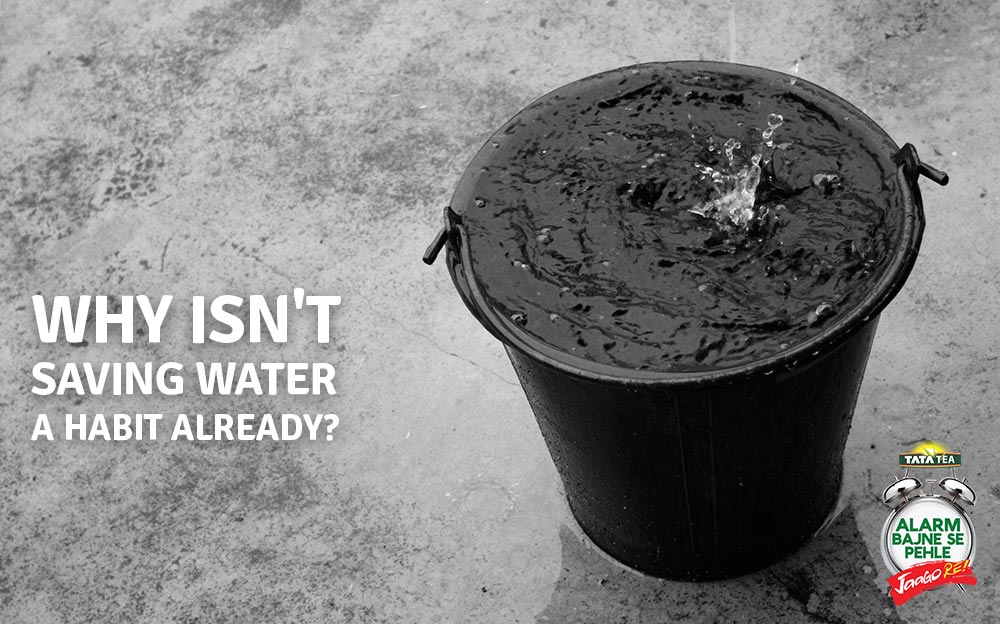
India is undergoing severe water scarcity, which is expected to worsen as the population of the country increases. Nearly 77 million of the nation have no access to safe water. 22 out of India’s 32 big cities are having to face water shortage on a daily basis (according to a 2013 report).
The situation is getting drearer by the day and it is upto each one of us to make amends, as water scarcity can impact every sphere of life. The need of the hour for all of us is to find ways to save water in every day activities, which all adds value to the larger cause of conservation of water.
For example, here’s an ingenious way to save water:
Sources:
https://thewaterproject.org/
www.sustainabilityoutlook.in
Share this story on
Citizen speak on solutions for India's water crisis
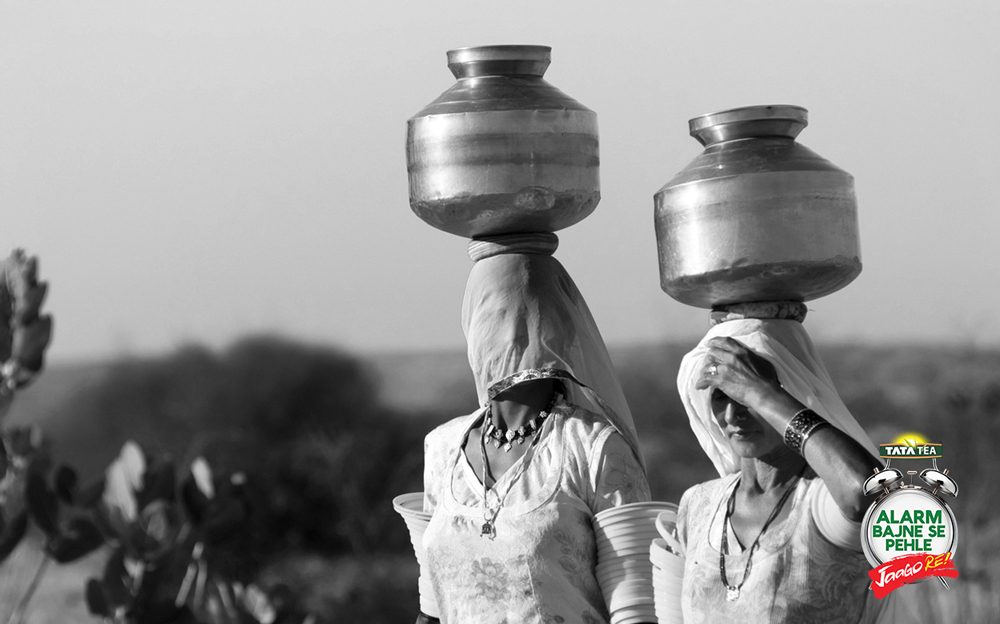
"70% of Earth is water. Are you telling me we are going to run out of water?"
"Enough water is recycled everyday. We don’t have to worry!"
These are some of the statements often made when the conversation of water conservation is on the table. We call water the elixir of life, but how often do we really give it much thought before we go about wasting water on a day to day basis?
Especially now, with the increasing scarcity of water everywhere and more and more areas struggling with droughts in the country, keeping a check on our water usage is more important than ever.
While it is your call to cut back on the number of showers you take daily or how you wash your dishes, your small actions on a daily basis amount to a lot. Your simple call to turn the faucet off while brushing can save up to 2.5 gallons of water per minute.
There are a million ways to cut down on water wastage, but they all start with the will to do it. On the account of World Water Day on 22nd March, several citizens from all around the country came forward to talk about the burning issue that water crisis is as they shared their thoughts during our Twitter chat with experts @indiawater and @WaterAidIndia.
Here are some of the highlights:
Realising the problem
Taking actionable steps
Disclaimer:
Views expressed here are of the individuals alone and do not necessarily represent that of the brand.
Share this story on
Statistics that should scare every Indian today
The staggering number of farmers' suicides
More than 100,000 farmers have taken their lives since 1997.
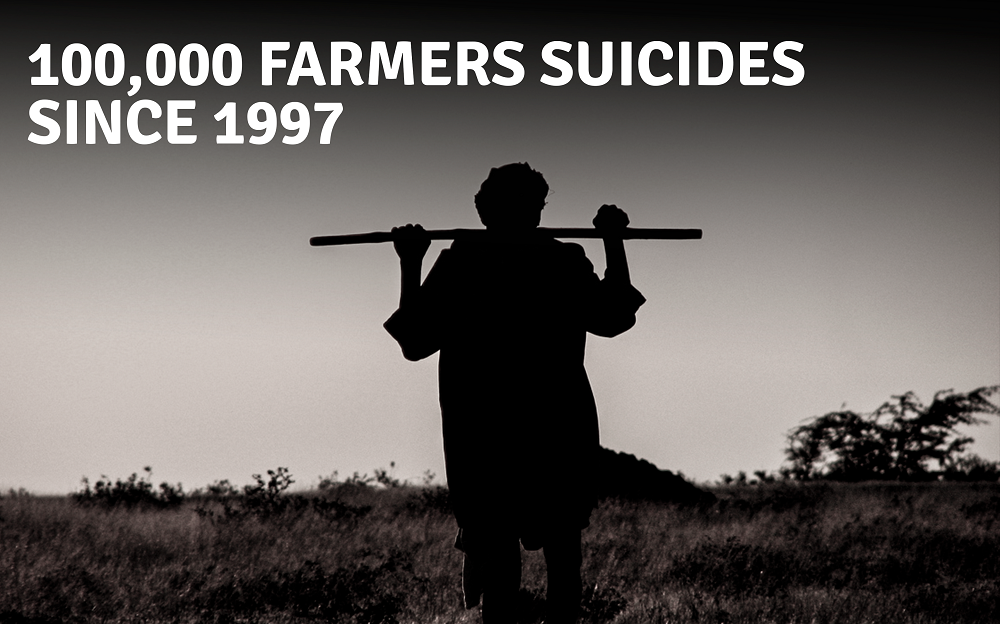
Source: UN
We’re not bringing home the Gold
India has won only 28 medals in total since it first competed in the Olympics in 1920.

Source – Indian Olympic Association
The Sun don't shine here
Some 400 million Indians have zero access to electricity.
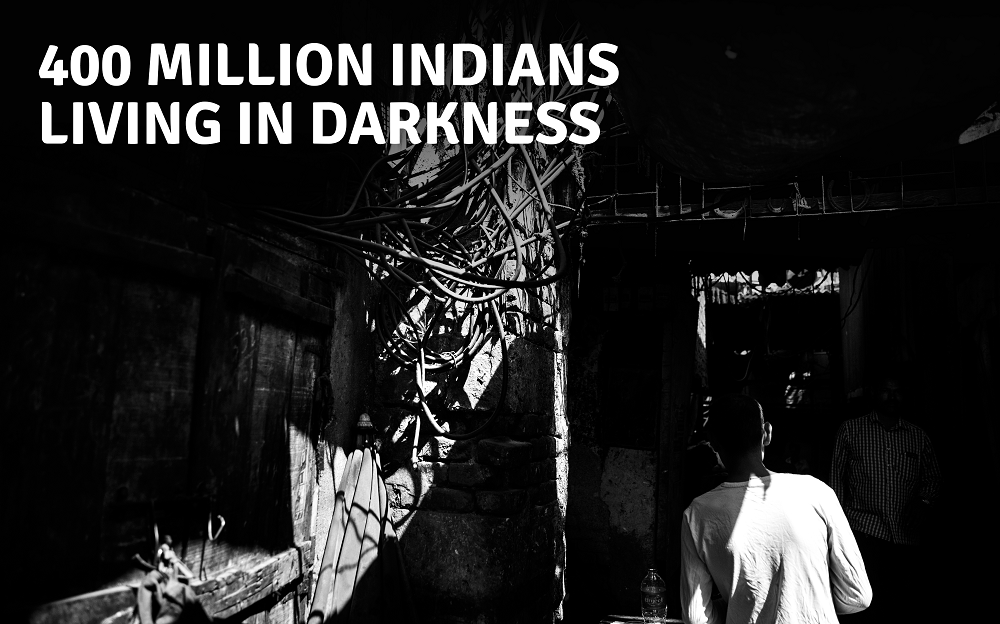
Source – Economic Times
India's deadly drink
Nearly 50% of India's groundwater is poisonous
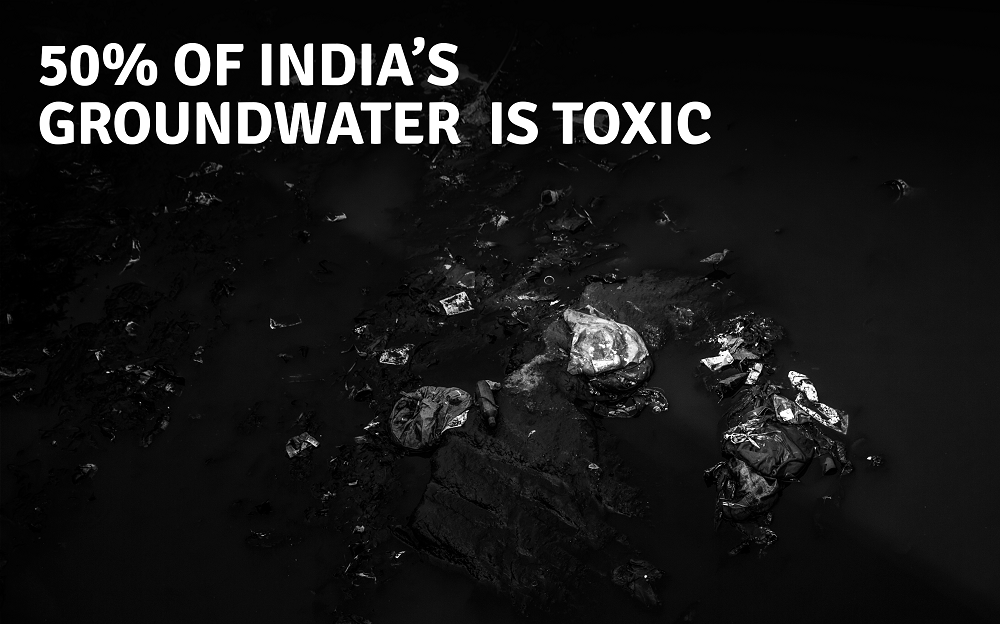
Source – DailyMail
Where breathing can kill you
India's air ranks as the most polluted in the world
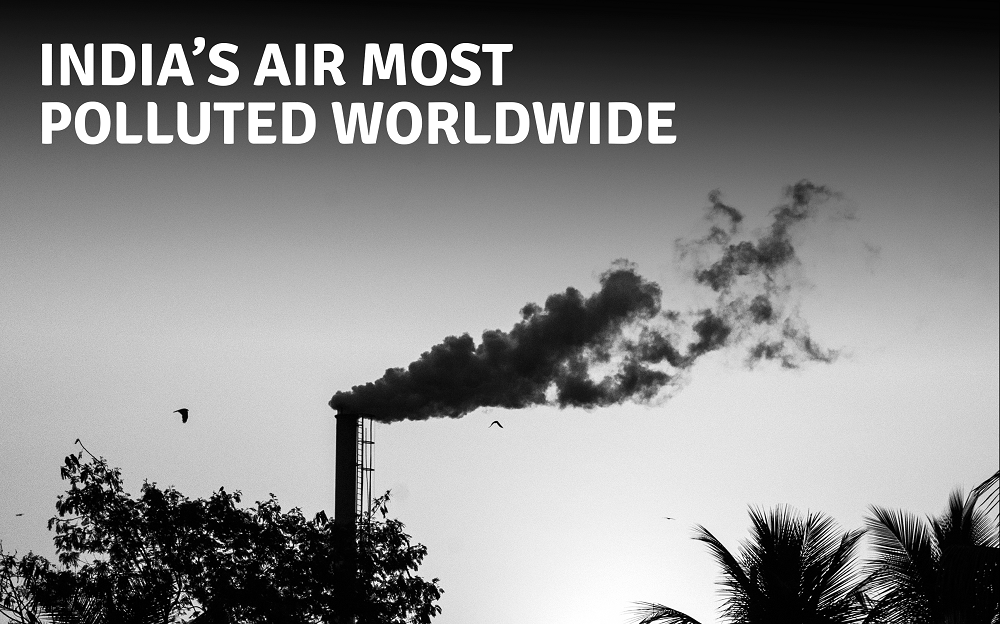
Source – Yale Centre
Being a woman in India could mean you're a fatal statistic
848 Indian women are harassed, raped, killed everyday
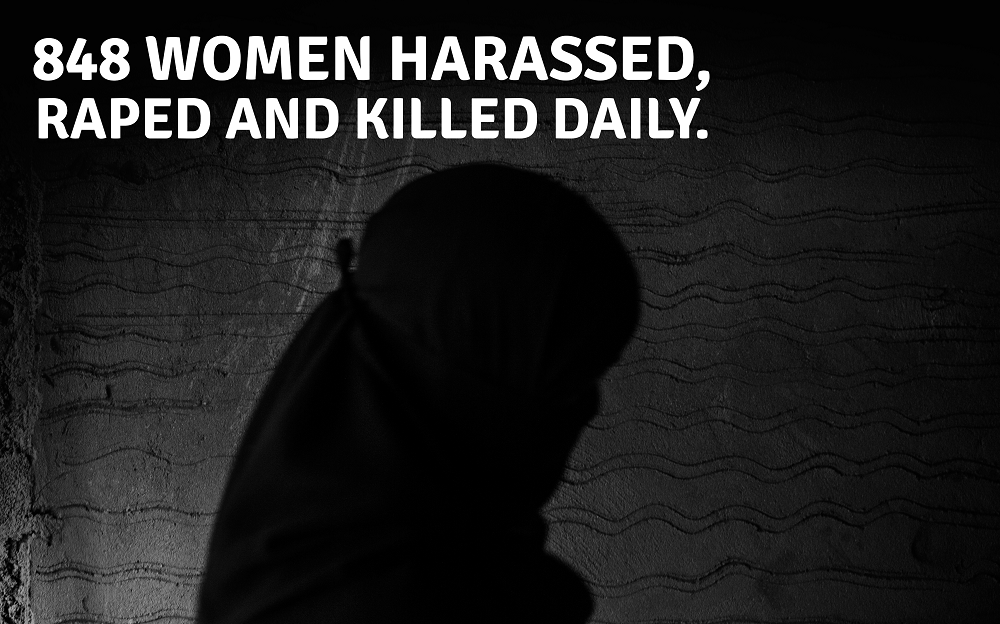
Source – NCRB (National Crime Records Bureau)
How many more alarming statistics will it take for us to wake up?
These horrifying numbers speak louder than words. Yet the numbers have reduced us to a stupor. These numbers have been screaming for our attention. It's high time we look at the issues, the faces and the people behind the numbers. It's time we become more about human and sensitive to the real issues we face today, before either one of us become a statistic.
Alarm bajne se pehle Jaago Re!
Share this story on