



What you need to know about the Zika virus infection
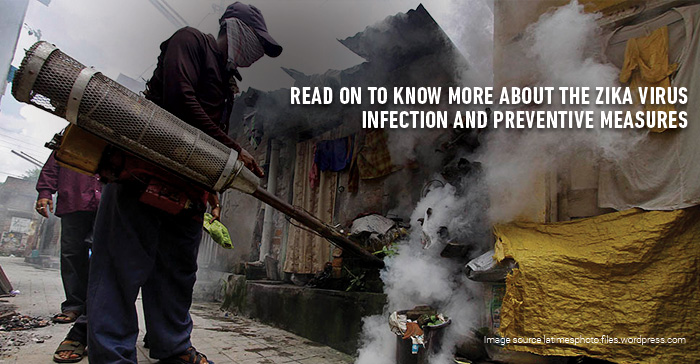
On January 28, 2016, the WHO (World Health Organisation) declared the Zika virus as a global health emergency, and has estimated that around 4 million people in the Americas alone could be infected by the Zika virus in the next year*. The Union health minister JP Nadda has said there have been no Zika cases in India so far**, but we need to incorporate steps to prevent the spread of the Zika virus in India and elsewhere in the world.
Here are a few things all of us should know about the Zika Virus infection:
1. What is the Zika virus infection and how is it transmitted?
Zika virus infection is carried by Aedes mosquitoes which are active in the day-time. It was first detected in the Zika forest in Uganda, and has now spread to more than 24 countries. The Aedes mosquito is also responsible for diseases like dengue and chikungunya. While the Zika virus needs a vector (like a mosquito to carry the disease), there have been cases of the Zika virus being transmitted via sexual intercourse, and also through blood transfusions.
Zika virus affects foetuses when pregnant women are infected by it, and it has known to cause babies being born with abnormally small heads (microcephaly) and damaged brains.
2. What are the symptoms of the Zika virus infection?
The most common symptoms are fever, rash, joint pain, muscle pain, headache, and/or conjunctivitis. These are similar to the symptoms of dengue and chikungunya. The incubation period can vary from a few days to a week. The virus remains in the blood of a person for a few days, but it can be found longer in some people.
3. What is the treatment available for the Zika virus infection?
According to the CDC (Centers for Disease Control and Prevention, USA), there is no vaccine available in the market for the Zika virus infection yet, but the symptoms can be treated. A person with the infection must take rest, drink plenty of fluids to prevent dehydration, take prescribed medicines to relieve fever and pain, ensure that other mosquito-borne diseases are ruled out before starting medication, and make sure that the infected person is not bitten by mosquitoes in the first week of infection, as that is when the mosquito can carry the virus and infect others.
4. How is the Zika virus infection different from Dengue and Chikungunya?
While all three of the diseases are similar and the viruses are carried by the same mosquito, there are certain differences. Dengue presents with high fever and intense muscle pain, and extreme cases lead to bleeding. Chikungunya presents with high fever and incapacitating joint pains, and affects feet, hands, knees and back. Zika infection does not have specific features, but causes skin rashes and conjunctivitis in some cases.
5. What preventive measures can be taken against the Zika virus?
The first priority is the same as that for other mosquito-borne diseases - to make sure that there is no water-logged areas around the house for mosquitoes to breed. Apart from this, governments have warned people against travelling to infested areas of the world (as of now, Barbados, Bolivia, Brazil, Cape Verde, Colombia, Dominican Republic, Ecuador, El Salvador, French Guiana, Guadeloupe, Guatemala, Guyana, Haiti, Honduras, Martinique, Mexico, Panama, Paraguay, Puerto Rico, Saint Martin, Suriname, Samoa, the U.S. Virgin Islands, and Venezuela). (Source: CDC)
If you do have to go to an infested areas, make sure you use medically approved mosquito repellents, wear long clothes that are thick enough to protect from mosquito bites, and stay in rooms with screens to prevent entry of mosquitoes.
It is better to take preventive measures, especially so in the the case of Zika virus as there are no vaccines available in the market. What more do you think we can do to ensure our localities are safe from spread of Zika virus and other similar mosquito-borne diseases? Write to us on our Facebook and Twitter pages, or email us at jaagorein@gmail.com.
Sources:
*The Indian Express
**NDTV
CNN
Center for Diseases Control and Prevention
Pan American Health Organization
New York Times
Share this story on