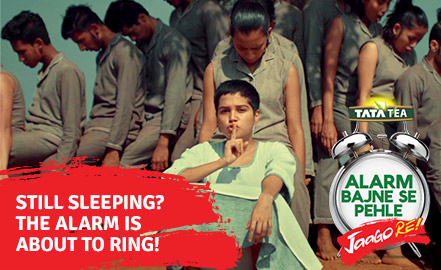




Stop being just a bystander!

There have been repeated instances where precious lives have been lost because people chose to do nothing to help a person in need - because they chose to remain bystanders. The infamous Nirbhaya case was just one such instance which highlighted this attitude we carry, showing public apathy not just to victims of road accidents, but also to victims of violence.
‘The Chennai Techie’ murder case opened our eyes to a new level of apathy. Many people were quoted saying that they left the scene because they have little/no idea about what to do or that they did not want to “get involved”. Are such excuses justified for a nation that claims to have rich cultural and social values? If a lack of knowledge is the reason for our hesitance to get involved, it is our duty to make sure that we educate ourselves about what to do when we see someone in need.
Here are a few things we must do to ensure that a victim is out of immediate danger, and receives help at the earliest:
Danger Assessment
In case of a victim of violence, assess the immediate danger to the victim and to others. If you see a person being attacked, getting involved individually might harm you. First thing to do is to find ways to stop the assailant. You can shout at the attacker and cry out to people for help. This might scare the assailant and help save the victim. If the injuries are serious, call for an ambulance right away. If not, try and minimise the risk of aggravating the inuries.
In case of a victim of road accident, if the injuries seem serious, call for an ambulance straightaway. Make sure the accident zone is safe for you to enter and if the victim is conscious, try and talk to them to keep the victim calm. Try not to move the person, unless absolutely necessary. Make sure there are at least 3-4 people helping you while moving the victim.
First Aid
If a victim is finding it difficult to breathe, make sure to loosen the clothing around their neck. If the victim is bleeding profusely, try to stop the bleeding by tying a clean handkerchief around the wound to stop the bleeding. Minimise the victim's movements. If it is a serious injury or you aren’t sure what needs to be done, here are your next steps.
Call for an ambulance
Call for an ambulance immediately. The helpline number for India is 102 and will connect to the nearest ambulance service available.
Call the police
The number ‘100’ connects one to the nearest police control room. Once the police is informed, the next steps can be taken. The Good Samaritan Law dictates that anyone who helps a victim must be treated with utmost respect and sensitivity. It also gives the bystander to remain anonymous if he chooses to be.
Delegate Tasks
Most understandably, a crowd is bound to gather at the scene of an accident/violence. Take charge of the situation and delegate tasks. Point and call out people specifically (For example, “You, person wearing a blue shirt, come and do this.” “You, lady with a phone, please call the ambulance”, etc) Make sure people get mobilised. The quicker the response from people, the more chances there are of saving the victim.
The biggest problem we face today is that we do not want to get involved because it is “none of our business”. The fact is that when a person is in need of our help, it becomes our business, and not helping a victim makes us too responsible for the victim’s plight.
What do you think needs to be done to make sure more people get involved and try to save a victim, rather than just watch or move on? Share your views on our Facebook and Twitter pages, or email us at jaagorein@gmail.com.
Share this story on