5 simple ways to save water

Today is World Water Day. Let's take a moment to acknowledge the existence and the very meaning of water in our lives.
Can you imagine our life without water? Many regions across the planet are in the midst of intense water wars, where accessibility to water has become a pipe dream for most.
Even though 70% of our earth is made up of water, only .4% is available to us. Which means, over 7 billion people are sharing .4 % water.
More than half of India doesn't have access to clean water. As responsible citizens, we need to try every trick in the book to save water. Let's look at some of the simpler ways which we can practice every day:
- Cut your shower time - Cutting 4 minutes of your shower can save 30 gallons of water.
- Fix the leakage - Water leak of one drop per second wastes more than 10,000 liters of water a year
- Washing utensils before stains run dry saves up to 50 % water. Another good practice is to soak the dishes in the sink for a while before washing them - you end up saving more water this way.
- Touch-activated sensor faucters or water-saving regulators fixed to taps is another ingenious solution to saving water
- Reuse the water being drained out of your washing machine to wash your car
- Don’t use running water to thaw out frozen food. Thaw it by defrosting in the refridgerator, or placing it in a bowl of water. You can reuse the water again as deemed fit
These little steps will go a long way in saving water and make a big impact if we all adopt these practices every day. Let’s mend our ways now, before the situation gets criticial for us. Alarm Bajne Se Pehle #JaagoRe
Sources:
http://inhabitat.com
http://wateruseitwisely.com
Share this story on
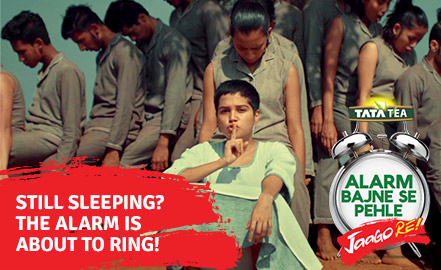

A piece of paper cannot determine my life
 , Said a student of mine, rather confidently, and without a trace of arrogance or defence. “Our lives are ours, our deeds are ours, our efforts are ours, and they should be continuous, fulfilling, and holistically rewarding”, he continued, “so why are we herded on the basis of our marks or academic performances?” His candour struck me instantly, and made me proud to be his teacher almost immediately.
Having studied in an alternate school – spaces which respect and inculcate the realness of education in all its glory – has made every difference to me. From ushering in this enigma of learning, to awakening the desire to explore, question, think, and voice one’s opinions, learning today has incorporated the concept of education in us wholly. The irony is that our school was, and still is a minority in the complex weave that is education in India.
Goaded by unnatural grades (that will never be enough), academic excellence, unreasonably high expectations, coupled with the overwhelming burden that is a mainstream institutional life, students have become exactly what they aren’t supposed to be. “Learn as if you were to live forever,” as a popular quote goes, is far from what we’ve become today. Neither are we studying for a tomorrow beyond exams, nor are we learning for ourselves,” say students unanimously. If this wasn’t enough, we have predisposed children who unfortunately find their solace or answers in extreme measures such as addictions, depressions, social withdrawals, and a general sense of bio-psycho-socio under-development. “If student suicide rates aren’t telling, we wonder what is,” they add.
Let’s learn to learn for tomorrow, be assured in ourselves, have a sense of faith, remember that an exam is just one tomorrow, that we’re greater than the marks we get, and that we are therefore much more talented than a number that labels us as good, average, or a plain failure. In the midst of all this pressure and tension, let’s learn to take a break and unwind, to do the things we like to do, and practice being non-judgmental. If there was ever a more apt statement, it would be this by the glorious Albert Einstein which says:
It’s never too late to wake up, make a difference, and witness the blossoming of actualized human beings making this world a better place. And somewhere in this discussion with my students, my purpose as an academic had taken shape.
Here are few things you, an adult, who has assumed the role of nurturing a child’s well being, can do to help:
- Talk to the kids about discovering their vocation from an early age - this enables a sense of belonging and fulfilment in the child.
- Engage your children in conversation about their studies every day.
- As a parent, go out of your way to maintain a regular dialogue with the teachers about your kid, and vice versa - this helps both you and the teacher to stay updated about your child’s progress and to recognise any tell tale signs of stress.
- During exam periods, let the child know that getting good grades is not as important as learning.
- Understand your child’s aptitude and weaknesses, and inspire confidence in your child to overcome them by mixing games and difficult subjects, with a reward system. This helps the child to associate a subject he or she is weak at with a positive, as opposed to negative sentiment.
Every child is unique, and their perception of success is varied draws cues from us - it is our duty to give the right lessons, so that that being better versions of themselves, will involve a lot more than academic excellence!
This article has been authored by Babushka Chauhan. She is a teacher and a trained counselling psychologist by profession. She has worked with numerous students, young adults, and adults in finding a path towards living a more meaningful, fruitful, and successful life via the use of her counselling and life skills.
Share this story on
A Conversation with Radhika Vaz - The Need for Gender Sensitisation in Indian Schools
Despite the recent outcry on violence against women, our society is still debating on the need for gender sensitisation in India. We still fail to understand the issue of threat to women's safety, and hence, we fail to discuss the possible solutions. With the 'Alarm Bajne Se Pehle Jaago Re' chapter, many experts and concerned citizens have come forward to discuss the issue and possible solutions.
We met Radhika Vaz, a writer and comedian who passionately speaks up on the need for gender sensitisation in schools in India. Here's what she had to say:
Make Gender Sensitisation Compulsory in Schools
We have to move now to make gender sensitisation a non-negotiable reality in India. Only when children are taught from a young age the importance of being gender equal, will the future of our country change.
Join Tata Tea to make this change happen by signing the petition to make gender sensitisation programmes compulsory in schools. Click on this link or call 7815966666 (toll free) to register your petition.
Alarm Bajne Se Pehle Jaago Re!
Share this story on
Five Infrastructural Issues India cannot ignore any more
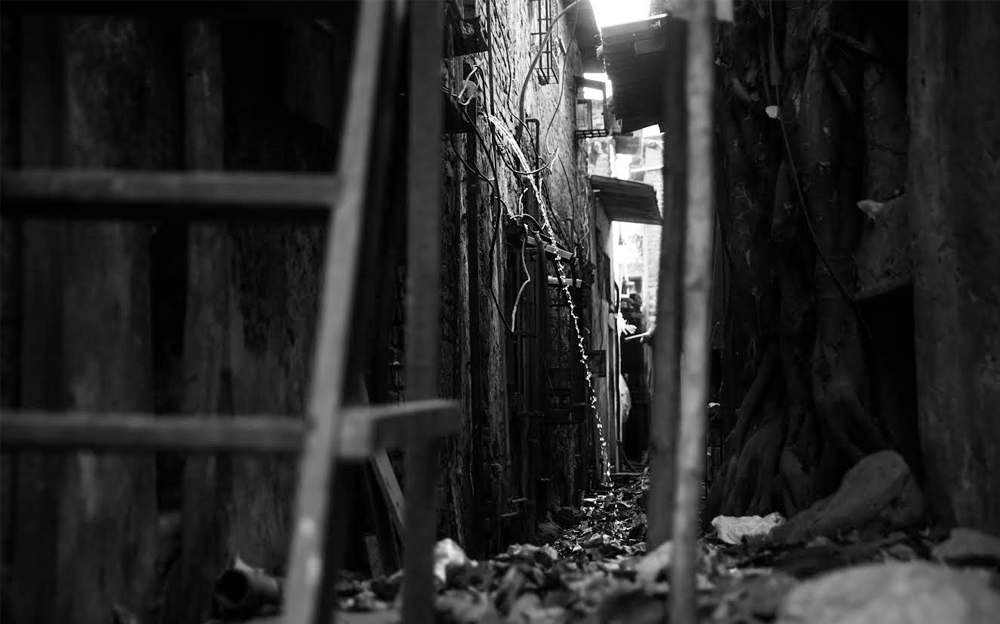
India’s mounting garbage problem
India generates 150 million tonnes of waste in a day. With no environmental friendly processing for the waste, the garbage is extremely hazardous, heaped together at landfills usually in the city’s outskirts, with scavengers often including young children working in unsafe conditions to segregate it.
Drinking water that’s bad for you
Over 46 million Indians are exposed to contaminated water. In fact, India has the highest number of people in the world without access to safe water, and are forced to live with contaminated water. Many children in impoverished villages and even in ‘developed’ cities like Mumbai grow up living with impure water.
India has more mobile phones than toilets
Around 60 % Indians do not have access to safe and private toilets. A report by Water Aid states that “If all 774 million people in India waiting for household toilets were made to stand in a line, the queue would stretch from Earth to the moon and beyond.”
Roads that kill
Over 10,000 people were killed in India in 2015 because of accidents by potholes or damaged roads. On an average, 400 people are dying on India’s roads daily. Potholes, damaged roads and hazardous driving conditions are now a way of life in India.
Living in the dark
Of the world’s 1.3 billion people who live without access to power, a quarter — about 300 million are Indians. Another problem is erratic or unstable power supply, particularly in India’s villages, where several Indians continue to live in the dark.
The alarm has been ringing far too long – Why are we ignoring it?
We have waited for a complete downfall of our city structures, and been very casual about the collapsing infrastructures. When are we going to be take things seriously, take action and stop being indifferent and stop ‘adjusting’. Wake up, the warning signs are all around us.
Alarm Bajne Se Pehle Jaago Re!
Sources:
Share this story on
Saving water is not that hard - here's how
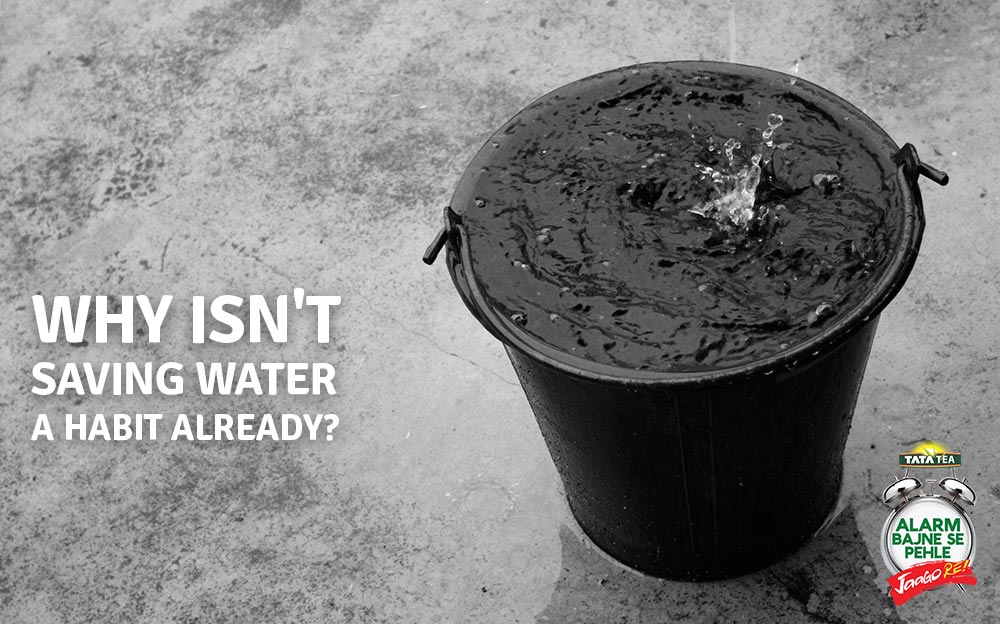
India is undergoing severe water scarcity, which is expected to worsen as the population of the country increases. Nearly 77 million of the nation have no access to safe water. 22 out of India’s 32 big cities are having to face water shortage on a daily basis (according to a 2013 report).
The situation is getting drearer by the day and it is upto each one of us to make amends, as water scarcity can impact every sphere of life. The need of the hour for all of us is to find ways to save water in every day activities, which all adds value to the larger cause of conservation of water.
For example, here’s an ingenious way to save water:
Sources:
https://thewaterproject.org/
www.sustainabilityoutlook.in
Share this story on
Citizen speak on solutions for India's water crisis
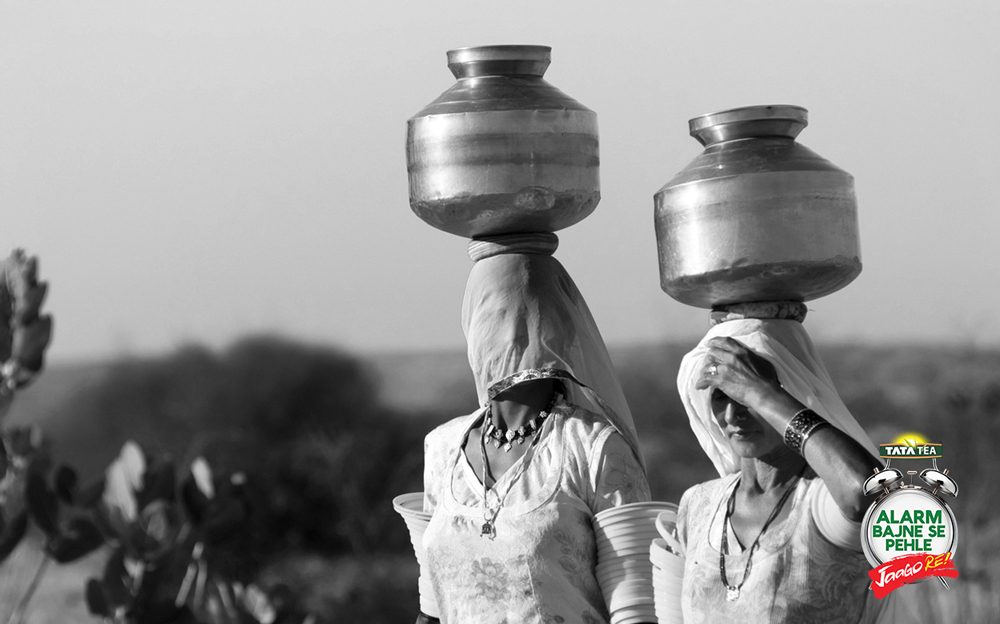
"70% of Earth is water. Are you telling me we are going to run out of water?"
"Enough water is recycled everyday. We don’t have to worry!"
These are some of the statements often made when the conversation of water conservation is on the table. We call water the elixir of life, but how often do we really give it much thought before we go about wasting water on a day to day basis?
Especially now, with the increasing scarcity of water everywhere and more and more areas struggling with droughts in the country, keeping a check on our water usage is more important than ever.
While it is your call to cut back on the number of showers you take daily or how you wash your dishes, your small actions on a daily basis amount to a lot. Your simple call to turn the faucet off while brushing can save up to 2.5 gallons of water per minute.
There are a million ways to cut down on water wastage, but they all start with the will to do it. On the account of World Water Day on 22nd March, several citizens from all around the country came forward to talk about the burning issue that water crisis is as they shared their thoughts during our Twitter chat with experts @indiawater and @WaterAidIndia.
Here are some of the highlights:
Realising the problem
Taking actionable steps
Disclaimer:
Views expressed here are of the individuals alone and do not necessarily represent that of the brand.
Share this story on
Statistics that should scare every Indian today
The staggering number of farmers' suicides
More than 100,000 farmers have taken their lives since 1997.
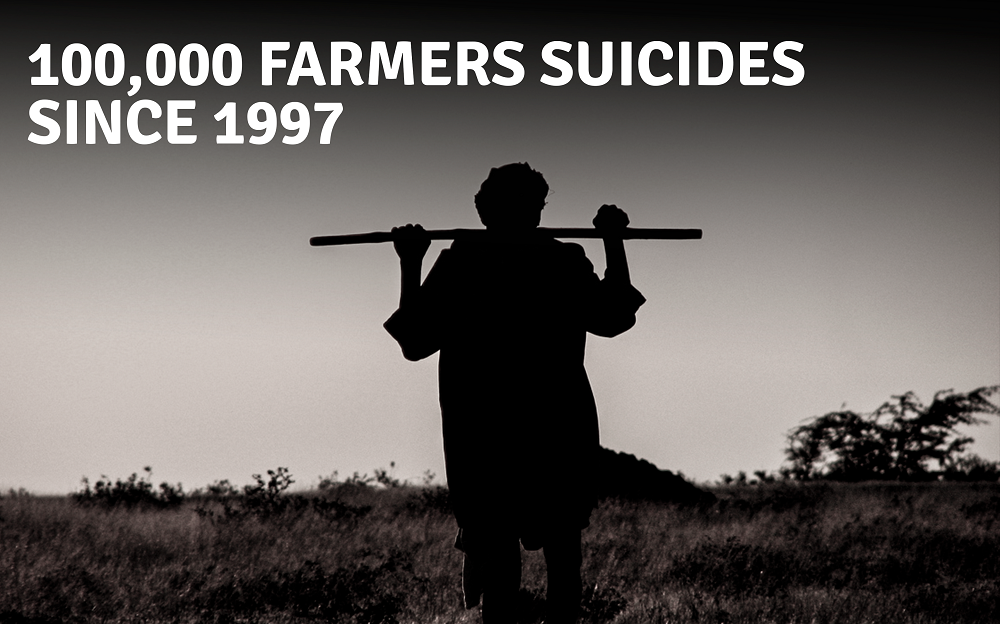
Source: UN
We’re not bringing home the Gold
India has won only 28 medals in total since it first competed in the Olympics in 1920.

Source – Indian Olympic Association
The Sun don't shine here
Some 400 million Indians have zero access to electricity.
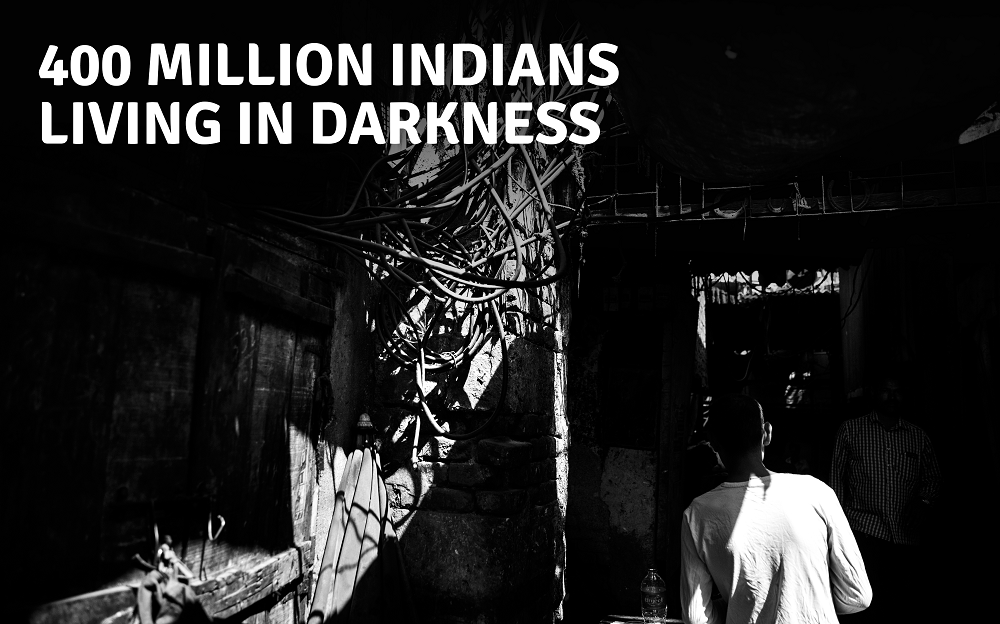
Source – Economic Times
India's deadly drink
Nearly 50% of India's groundwater is poisonous
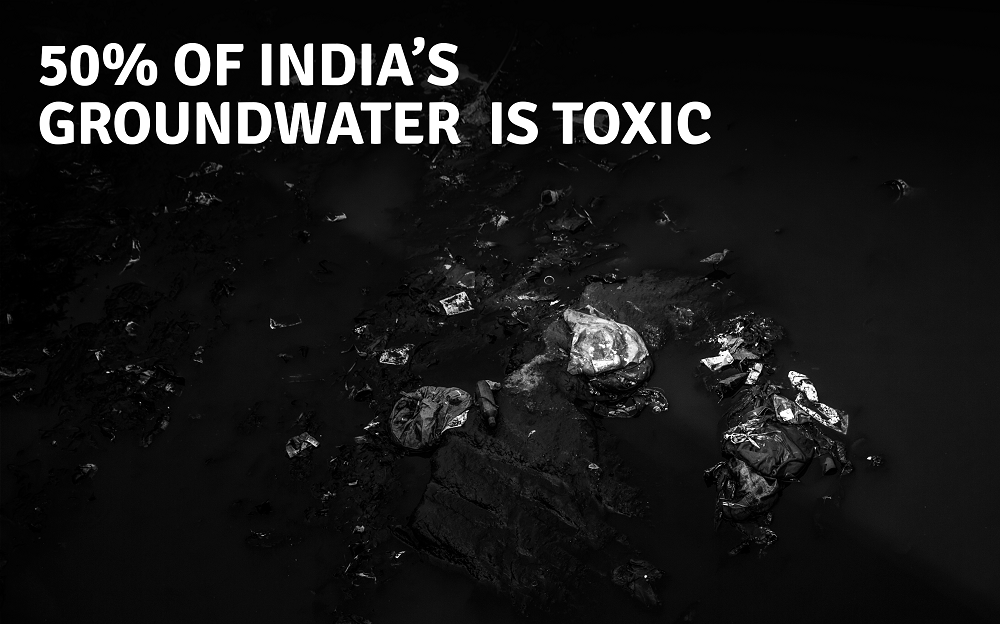
Source – DailyMail
Where breathing can kill you
India's air ranks as the most polluted in the world
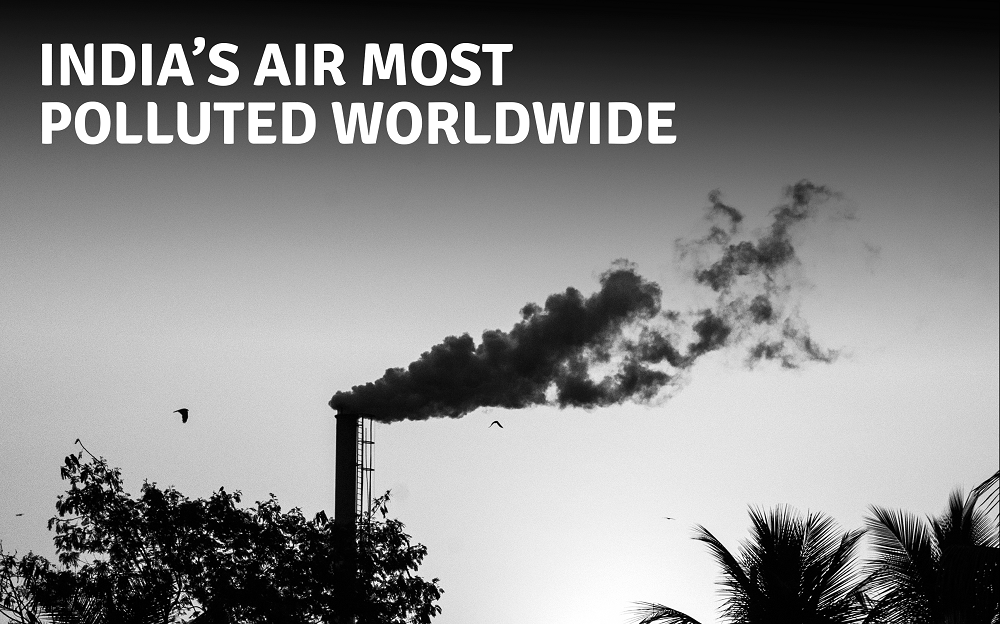
Source – Yale Centre
Being a woman in India could mean you're a fatal statistic
848 Indian women are harassed, raped, killed everyday
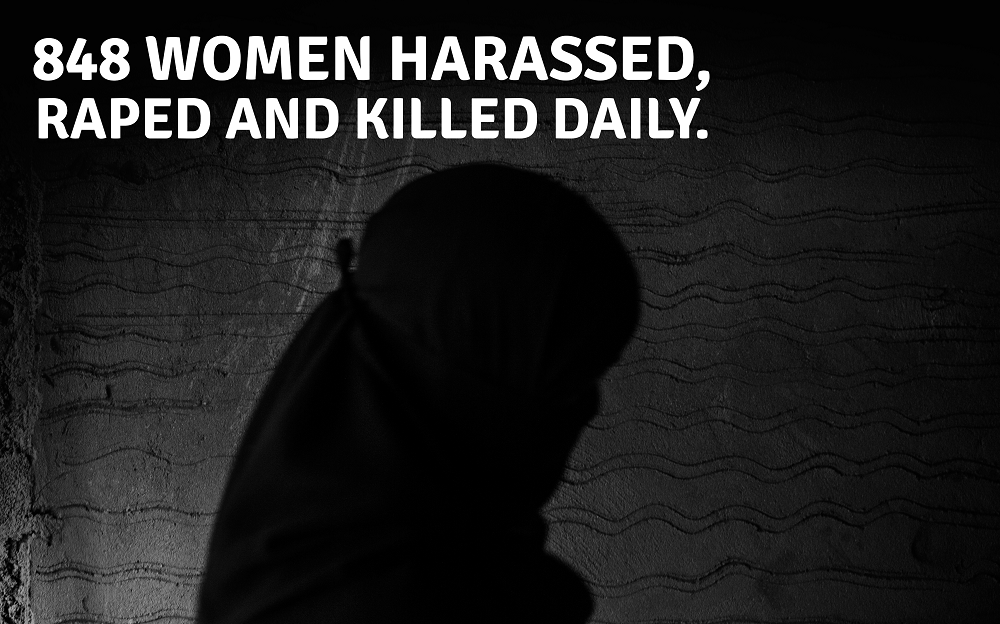
Source – NCRB (National Crime Records Bureau)
How many more alarming statistics will it take for us to wake up?
These horrifying numbers speak louder than words. Yet the numbers have reduced us to a stupor. These numbers have been screaming for our attention. It's high time we look at the issues, the faces and the people behind the numbers. It's time we become more about human and sensitive to the real issues we face today, before either one of us become a statistic.
Alarm bajne se pehle Jaago Re!
Share this story on
Experts' take on solutions to India's water crisis
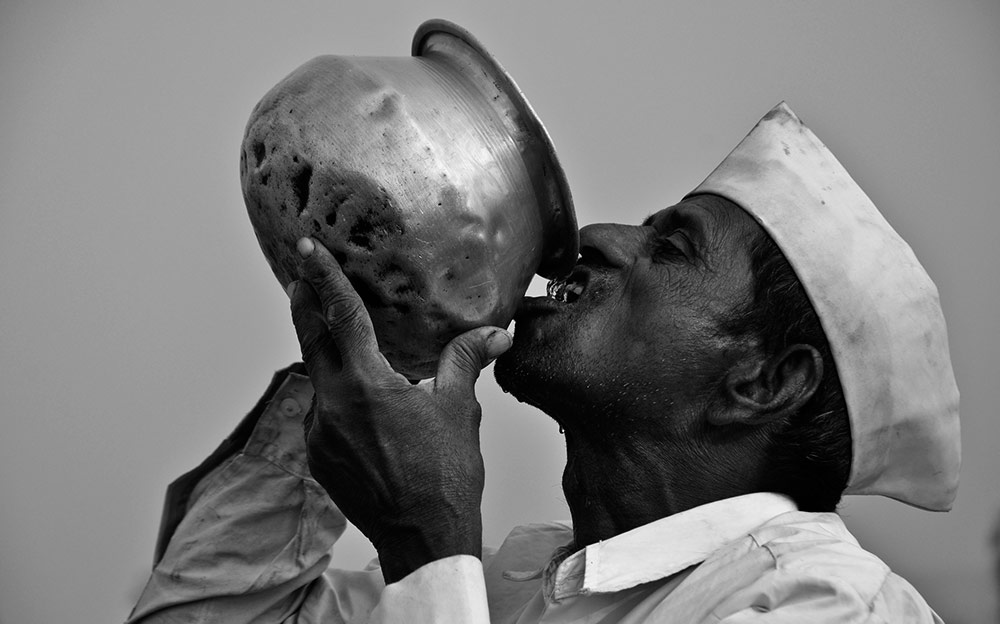
At the risk of stating the obvious, water is precious. Potable water, more so. Water, which presumably should ideally be a human birthright is becoming dearer in that like anything else in the economy, the demand is rising, the supply is falling and the price is skyrocketing. Do we understand the gravity of the situation? Is there a real reason to be concerned or are we just being a little paranoid. Are we victims or perpetrators? or perhaps hopefully we are both. That just mean it is up to us to make the change.
So we turned to twitter to ask experts what they think. Following is what ensued.
Experts are of the opinion that water is sourced mainly from the ground and it is most used in the area of agriculture. We know that the groundwater levels are diminishing and agricultural demands are increasing as our population flourishes.
Surely, there are some stats that will validate the information so that we don’t go by mere hunch.
While the outcome is one, the causes seem to indicate that the problem is really systemic. Depleting water sources, pollution, rising demand, poor management, and pathogens make water inaccessible.
There are infrastructural and governance factors that contributes to this problem.
If we are able to narrow it down to infrastructural intervention, the next step is to identify what can be done.
While these are macro level solutions, there has to be some way that individuals can contribute to the cause.
The very basics of reducing and optimising water usage by knowing when to keep taps running, at what level and when to turn if off goes a long way. So does reusing rainwater and fixing leaky pipes.
Can the language we use change help change perception of what we have to deal with?
Wastewater has a connotation of being unusable or even untreatable.
What does a water conserving community look like?
In the simplest terms, it's all about empowering the individual to serve the community. Everyone has to be made a part of the decision making process.
Naturally synthesising the individuals, communities, and systems would cause a cultural change. We asked how we could build a culture that believes in, and practices water conservation.
Awareness campaigns, access to technology and tax benefits ties everything together.
Water conservation is an urgent concern and requires individual ownership and participatory efforts to fix. The fact is that we have put ourselves in this situation of water crisis, and only we can take steps to make sure we don’t run out water. It’s time to start conserving water, before it gets too late.
Alarm Bajne Se Pehle #JaagoRe
Disclaimer:
The views expressed by the experts belong to the experts alone, and do not necessarily reflect that of the brand.
Share this story on
5 alarming images from India that don't alarm us any more
The pollution, the dust, the filth, the contamination of our cities - it's staring us in our faces. No matter how much we look away, how much we try to turn a blind eye, it's screaming for our attention.
We are living in so much squalor and filth, and we are repulsed by it.
Here are just five images that will remind us of the sorry state of our collapsing cities and hometowns.
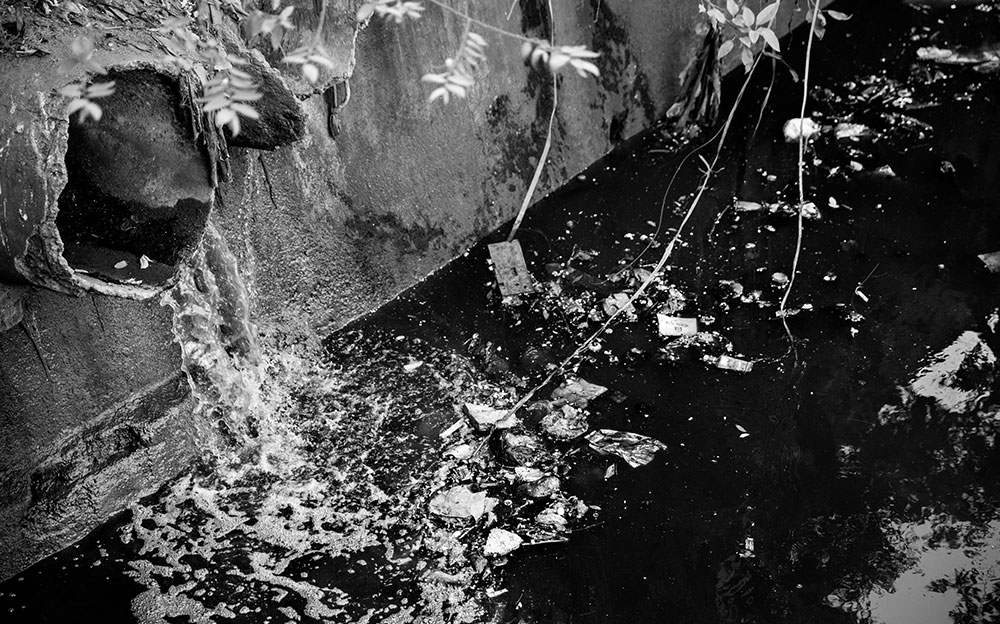
Our beautiful lakes. That have more muck flowing in them than water.
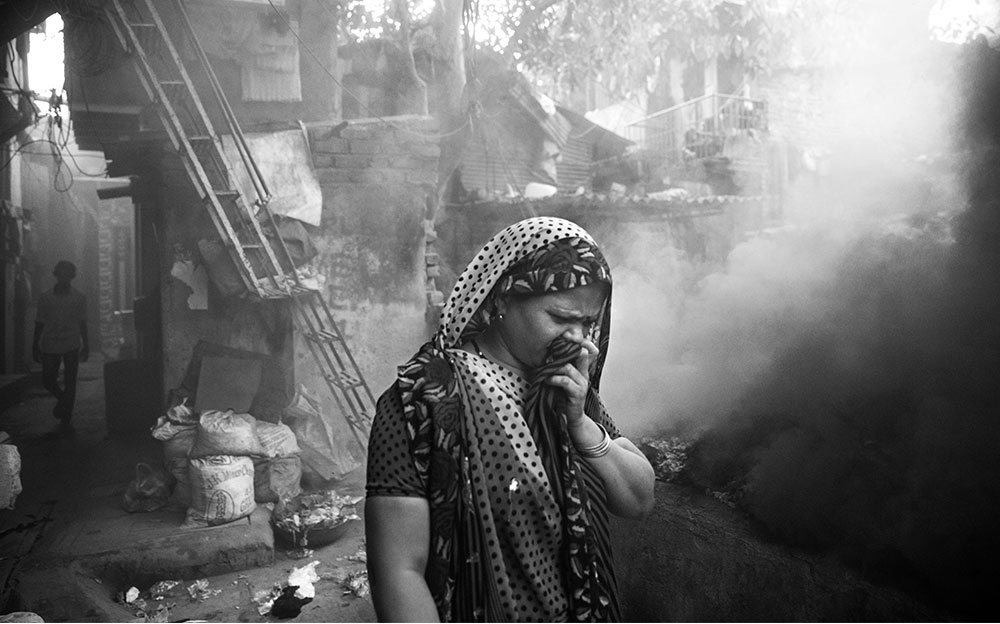
Our pretty cities where we breathe more toxins than oxygen.
Our state-of-the-art buildings that have more floating piles of plastic junk than solid foundations
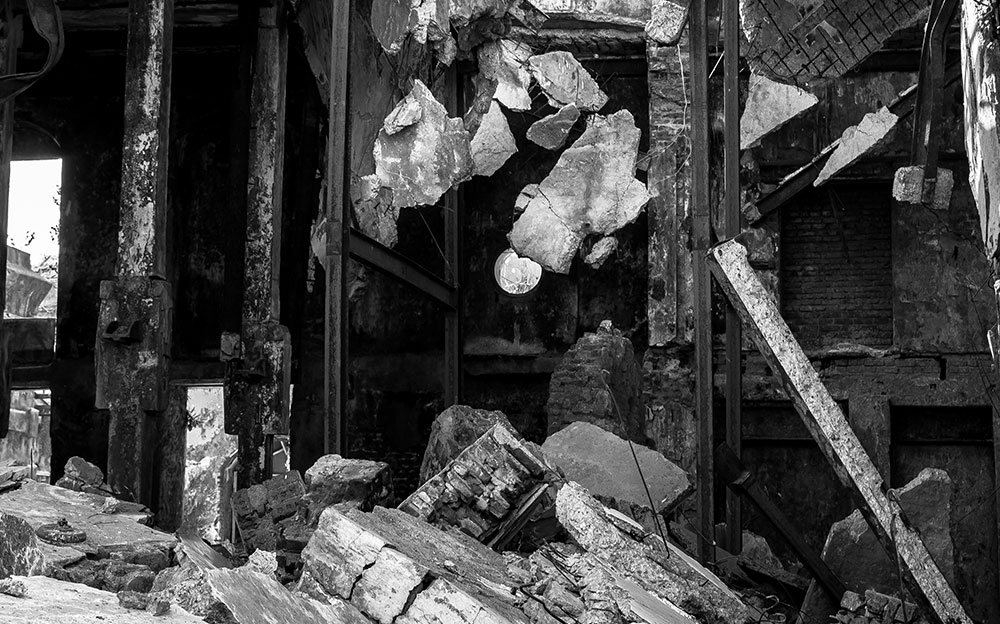
Our immaculate cities that look like disaster zones.
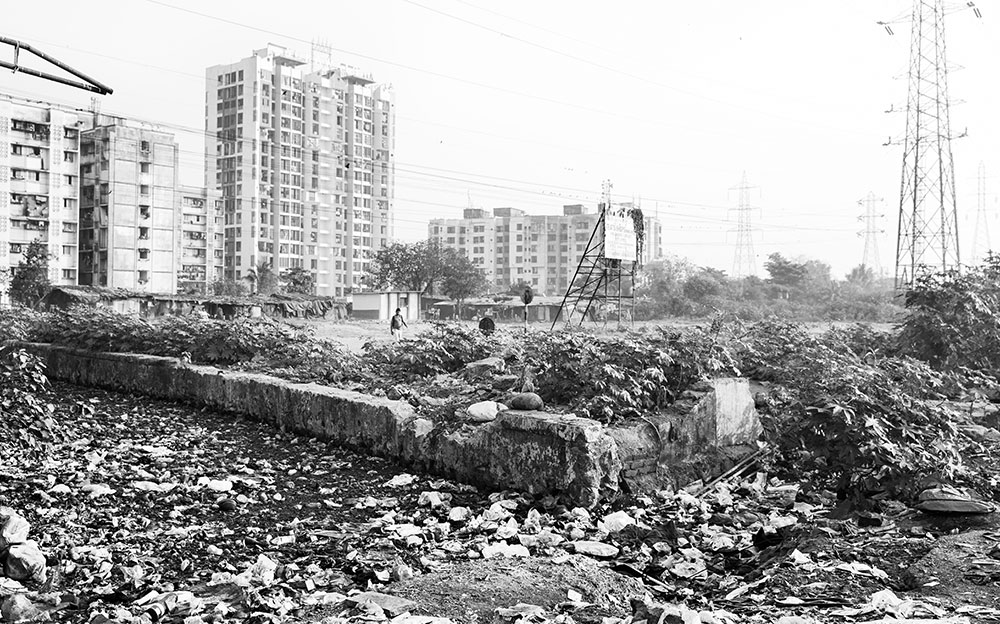
Our skies that have dangerous live wire hanging loose
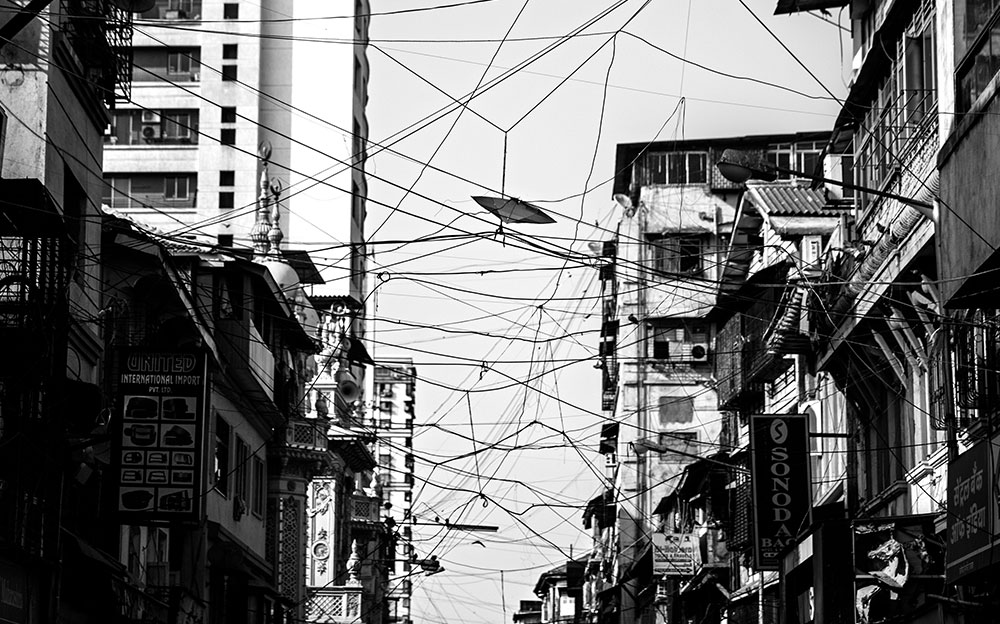
Let these alarming images move you to action
This is the pitiable state of our cities. Our city structures are now beyond despair.
We continue to look away, continue to ignore, and neglect our cities that are falling apart. What will it take for us to wake up from our stupor? When will we stop turning away, and start paying attention?
Wake up, before the last of our cities that are home to us crumble apart. Stop ignoring, and start working to improve and rehabilitate our cities.
Alarm Bajne Se Pehle #JaagoRe!
Share this story on
5 athletes India has forgotten
There are several talented sports persons that brought back many medals to India. Yet many of them have perished away, far from the limelight, with no recognition, accolades or credit whatsoever. Here’s a look at five important sports talent India neglected.
Asha Roy, India’s fastest runner who quit the track
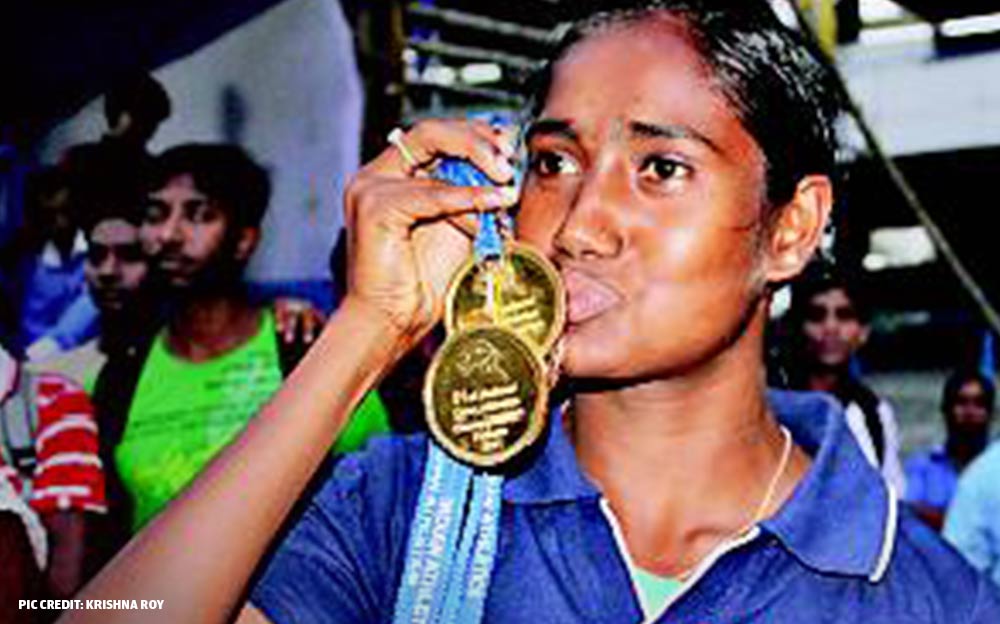
She is the fastest Indian on track, yet most Indians are unaware of her. India's fastest runner today struggles to eat three square meals a day. In 2011, she set a record at the National Open Athletics Championship in Kolkatta.
She is the daughter of a vegetable seller hailing from a small village in West Bengal. Inspite of her impoverished background, she made it to the top.
Yet with no support, training and struggling for even basic necessities like food, the fastest runner remains defeated by our country.
Kamal Kumar, former boxer now a garbage collector
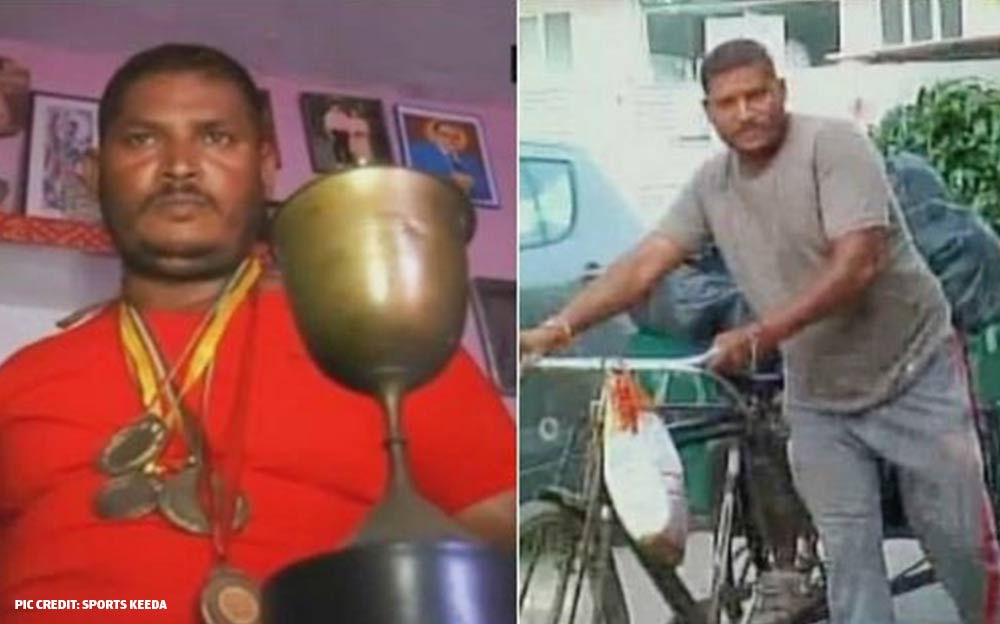
Kamal Kumar Valmiki has won three State level Gold medals in boxing. Today, he's collecting garbage on the streets.
He wanted a coaching job at a state level academy. But lack of funds forced him to take to the streets, literally. Today he's supporting his four kids, and the medals are stashed away. Perhaps of little value to him, not more than the trash he picks up off the streets, that actually supports his family.
Rashmita Patra, football player selling betelnut paan
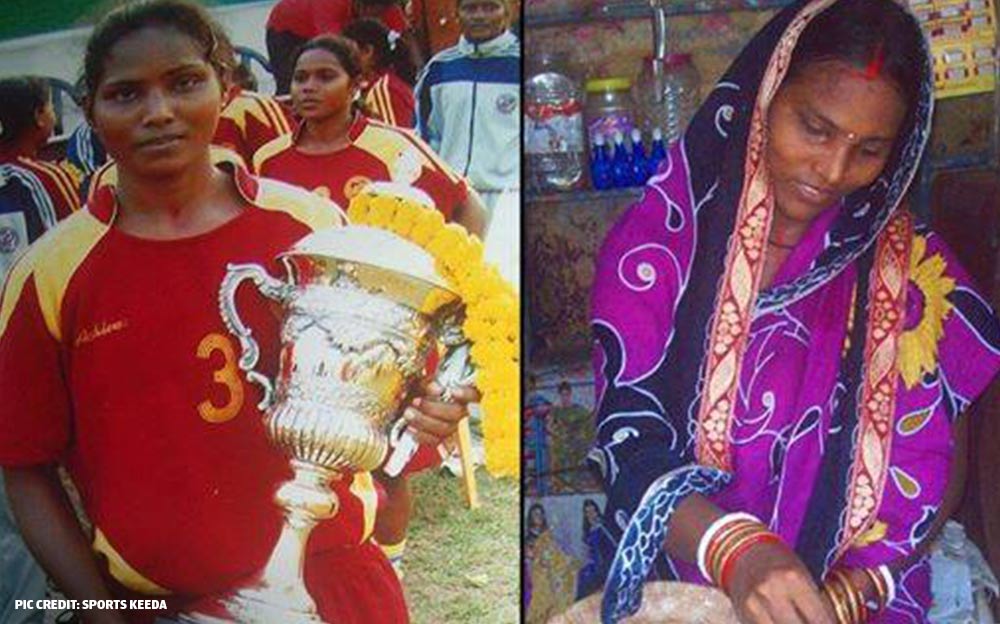
An international football player now sells betelnut paan in her village.
This footballer from Orrissa represented India in Malaysia, Bahrain and Bangladesh at international championships. Yet poverty forced her to quit football. She married a traditional fisherman and now runs a betelnut shop to fend for her baby back in her village.
Nisha Rani Dutta, archery champ sold her bow after house collapse
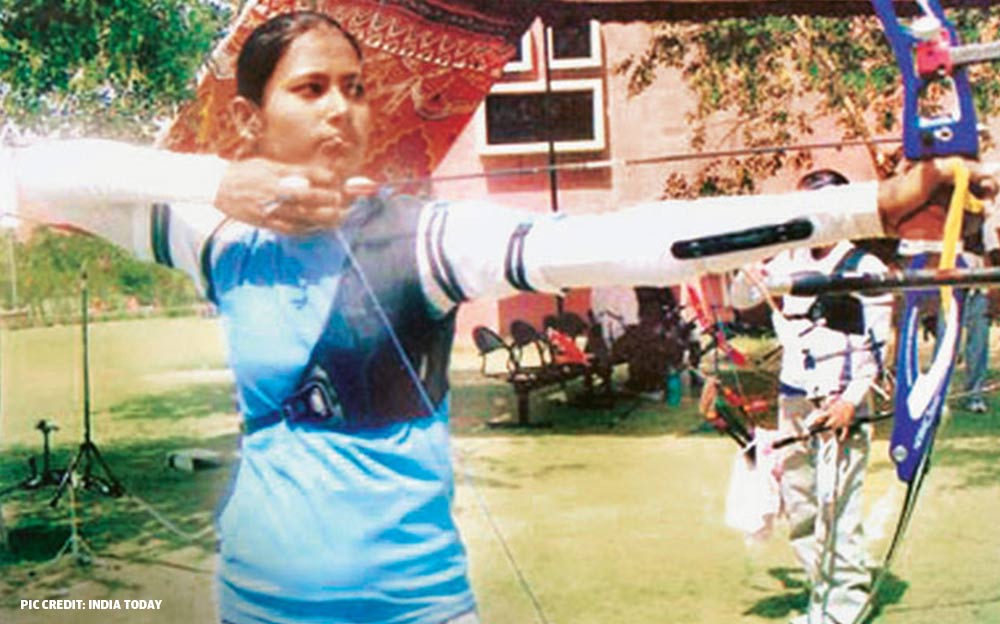
This former archery champ had represented India in Bangkok, Taiwan and brought home many medals. Yet tragedy struck when her house collapsed in a deluge. She was then forced to sell her archery bow for 50,000 Rs.
Her trainer had gifted her the bow which was worth about Rs. 4 lakh.
With no financial or logistical support, she eventually quit the sport.
Murlikant Petkar - India's first gold medalist in the Paralympics forgotten
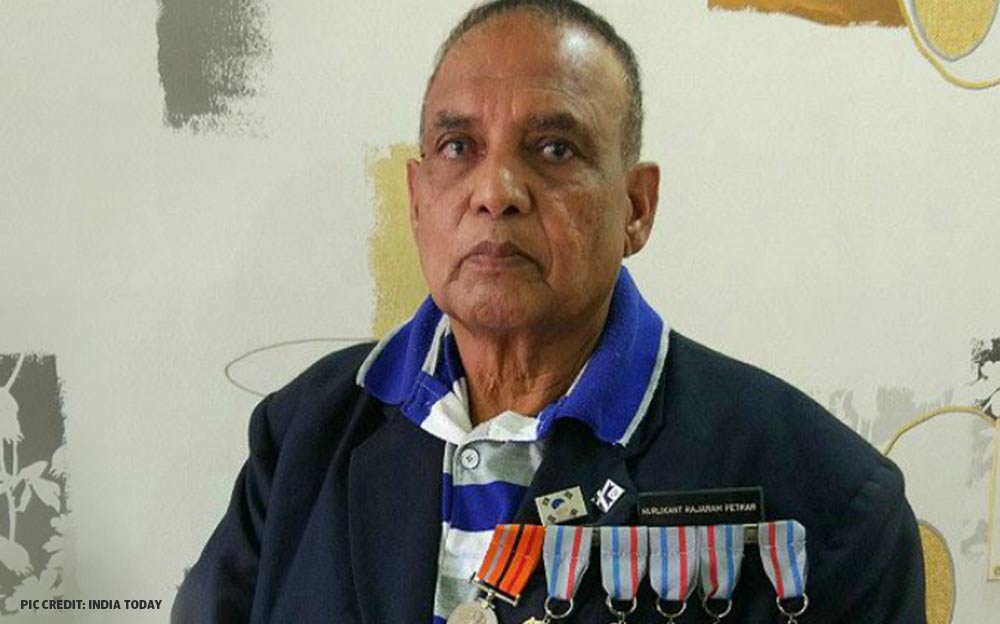
Not even the Paralympics Committee recognises him, but Petkar is the first Indian to win an individual gold medal in either Paralympics or Olympics.
Very few are aware of his achievements in swimming, javelin throw and precision javelin throw disciplines back in Germany in 1972.
Petkar was really a multi-faceted sportsperson. A boxer before he suffered permanent disabilities in the India-Pakistan war in 1965, the soldier from Electronics and Mechanical Engineering (EME) unit of Indian Army switched to swimming, athletics, table tennis and slalom after sustaining severe bullet injuries during combat.
Yet he fails to get his due recognition till date.
How many more sports talent can we afford to lose?
We wait until the last sportsperson gives up, the last gold medallist disappears into oblivion. We have waited for our sports talent to wither away. It’s time we begin to give every sport, and all deserving sports persons their due credit, recognition and support.
It’s about time.
Alarm Bajne Se Pehle #JaagoRe!
Share this story on