Rainwater Harvesting - A practice that India cannot overlook anymore
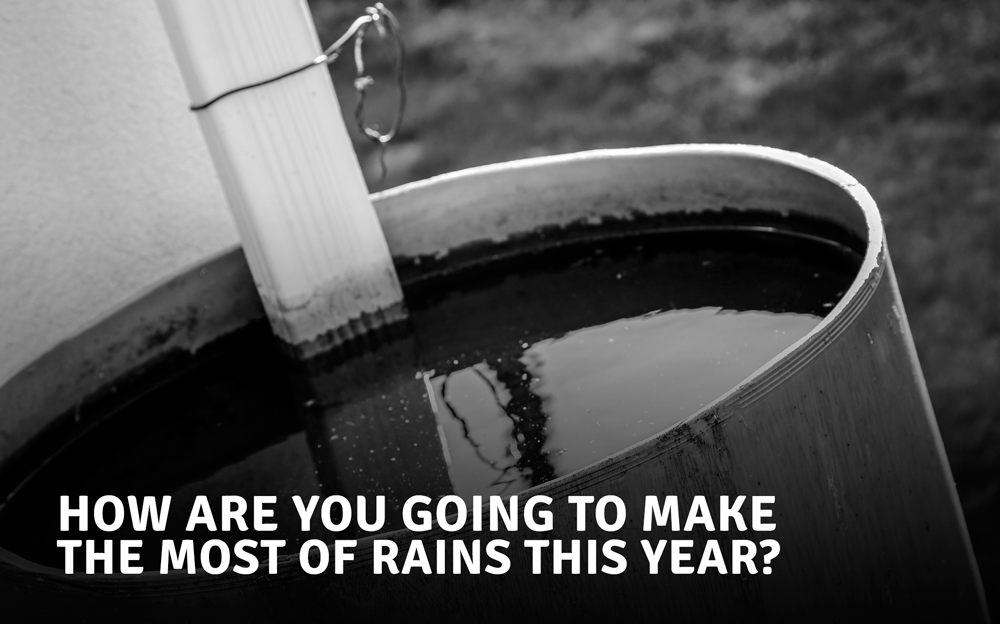
Indian cities are in the danger of going thirsty. Considering last year’s public unrest over Cauvery water in Karnataka and Tamil Nadu, one thing that stands out is our sheer unwillingness to adopt even the simplest measures to recycle water. Our dependency on water supplied from rivers has put us on a ticking clock. The question is, can Rainwater Harvesting (RWH) solve this issue? To answer this, we spoke to Mr. AR Shivakumar, who believes RWH is the need of the hour.
Mr. Shivakumar has been working towards sustainable management and renewable energy for the last 36 years, and has been championing Rain Water Harvesting in the city of Bengaluru. In his conversation with Jaago Re, he sketches out the situation of water scarcity, and the role of RWH in helping India win its battle for water.
The shift in our way of using water
We were a society where water was an individual responsibility. Every family collected water daily for its own usage, and there was no chance of water wastage. Eventually, with the cities coming into the picture, our water system got centralised, and water became the ‘problem of the authorities’. It was now up to the government to bring water to the cities from far flung areas. We started using water indiscriminately at the cost of environmental degradation. Slowly, our lakes and water bodies dried up and levels of groundwater table went too low.
The Situation now
The water supplied to the cities are usually pumped from water sources at much lower altitudes than the cities. This is a costly affair, both in terms of infrastructure and resources required, not to mention the impact on the environment due to requirement of dams and redirecting of water sources.
Even when the cities get water, it is supplied only to a particular section of the society. This means that a large section does not get access to clean water, and the section that does get water, uses it indiscriminately.The rest of the city is dependent on an already deplenished groundwater table. This increased pressure will slowly kill whatever greenery we have left in the city, and further add to making our cities un-liveable.
Right now the sewage system in Bengaluru flows because household get water at 98 litres per capita to flush out the waste. However, the rate at which we are wasting water, we will soon not have enough water to flush. Once the flow of water goes below 85 litres per capita, the sewage will stop flowing, clogging our drains and sewage system.
Available Resources
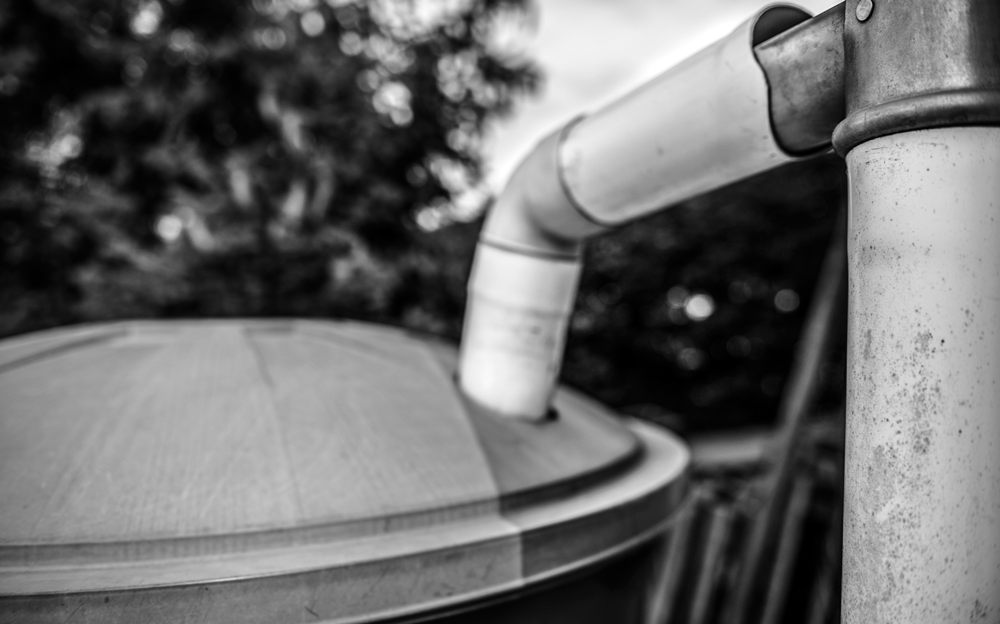
Many major cities in India have become water scarce regions, where the demand is much more than supply. While conducting his research on finding ways to solve Bengaluru’s water woes, Mr. Shivakumar found that the city receives an annual rainfall of 1000 ml. The quantity of water that can be collected in an average housing plot of 2400 sq.ft. is more than 2.3 Lakh litres, while the water required for a regular household is around 1.8 lakh litres. Bengaluru actually receives way more water than it can use, and still no one thinks of harvesting this water for future! If people in Bengaluru woke up before the alarm, they can very well generate their own water, and also help replenish the groundwater table.
The Solution - RWH and reusing water
Mr. Shivakumar did not just research the solutions, he decided to follow through with practice. According to IMD data, Bengaluru receives good rainfall throughout the year, with an average gap of 90-100 days in between, during which a household requires 40,000 litres of water. He built two underground tanks to collect water that can be used for non-drinking and cooking purposes, and an overhead tank with a filter, to collect drinking water.
Rainwater harvesting, according to Mr. Shivakumar, is easy, cost effective, and the most critical need for our cities today. He also built an innovative water filter called the Pop-up filter, which is quite cheap and eco-friendly. He has even dug percolation pits in his garden, which allow rainwater to seep into the ground and recharge the groundwater table. Additionally, people need to start reusing water to minimize wastage.
The big HOW
The first step to solving the water crisis is to believe that solution is easy, and effective. Mr. Shivakumar shares a few simple steps for this:
- Household produce two kinds of waste water - Grey water (produced from non-toilet use, like water from showers and washing clothes / utensils) and Black water (water mixed with toilet waste). Households must start reusing grey water. Instead of draining away the water from washing machines, it can be used to flush down the toilet wastes. Kitchen sink water from washing vegetables can be used to water plants / gardening.
- RO Water purifiers drain away 70% of water fed into them, and provide only 30% of the supply water as ‘clean drinking water’. The rejected water can be used for mopping and cleaning the house, vehicles, etc.
- Get leaking pipes and dripping taps fixed immediately to minimize water wastage
- Monitor your water bill closely to understand if your water usage has increased, and plan water usage accordingly.
- Try and use bucket to bathe and to wash cars or vehicles. On an average, showers consume about 100 litres of water, while buckets require just about 18 litres.
- Washing clothes and utensils with the water running uses about 116 litres of water, while using water at the same time uses only about 36 litres.
- Adopt rainwater harvesting. Most cities have guidelines and resources to facilitate RWH at households. Make sure you get all the information and implement the same at the earliest.
Do you have more points to share about RWH and ways to save water? Share your thoughts with us on our Facebook and Twitter pages, and wake up to the need to save water, before it gets too late.
Alarm Bajne Se Pehle Jaago Re!
More about the Expert:
Sources:
Rainmanspeaks (blogspot)
Mr. A.R. Shivakumar, Principal Scientific Officer, IISC
Share this story on

4 ways to handle e-waste
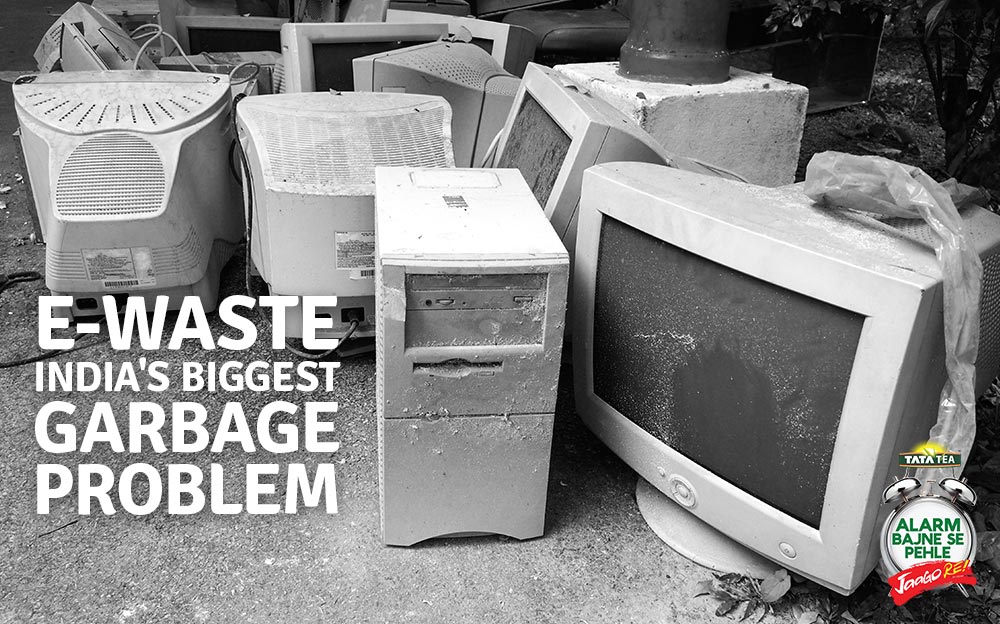
Electronic waste is the world’s fastest growing waste and to make matters worse, India is the 5th largest electronic waste generator in the world, discarding almost 18.5 lakh metric tonnes of e-waste annually.
Telecom equipment accounts for 12% of the e-waste alone. India’s e-waste is growing at a rate of 30% annually and a paltry 1.5% of India’s total e-waste is recycled, owing to lack of the necessary infrastructure to deal with the mounting waste. Approximately 40% of India’s e-waste lands in Delhi, with Bangalore and Chennai following closely in tow. According to studies, India is likely to generate 52 lakh metric tonnes of e-waste per year by 2020.
Almost 75% of the total waste is generated by the government, public and private industrial sectors, while 16% is generated from households. Mobile phones, televisions and computers are among the most dangerous items of e-waste as they contain high levels of mercury, lead and cadmium, elements that are detrimental to the environment due to improper disposal.
These mountains of e-waste that reach dump yards are handled by e-waste workers in India who have little knowledge and next to no safety training in dealing with hazardous waste. They are susceptible to a variety of health issues, particularly respiratory problems such as asthma, bronchitis, coughing and choking, among others. Do we have any role to play in changing this situation?
Here’s how you can help to tackle the e-waste problem:
Donate
If you are replacing your old gadgets with new ones, then donate your old gadgets to orphanages and educational institutions who can reuse the gadgets for learning purposes.
Take back programmes
Some electronic companies have take back programmes for old gadgets. Enquire with the brand you use if they have take back programmes. You can also consciously start using only those products that have such programmes in place.
Recycle
There are many ways in which electronic systems can be reused in some other form. Look up on the internet for ways to reuse old computers, which double up as interesting relics if repainted or ipods, which also double up as hard drives.
Expert Disposal
Find out who’s the local e-waste disposal company that ethically disposes off e-waste or refurbishes e-waste and sign up for their services. E-waste disposal companies help rid of e-waste in huge quantities and also help extract metals that can be reused for other purposes.
Educate everyone around about these techniques so that effective e-waste disposal becomes a practice. E-waste, if not controlled can lead to disastrous effects as such as diminishing of natural resources, ground water pollution and soil acidification among others.
Adopt these practices now so that we call can collectively avert disasters that are likely to occur in the presence of our inaction.
Alarm Bajne Se Pehle Jaago Re!
Sources
The Hindu
The India Environmental Portal
The Wealthy Waste
The Live Mint
The Economic Times
Share this story on
5 simple ways to save water

Today is World Water Day. Let's take a moment to acknowledge the existence and the very meaning of water in our lives.
Can you imagine our life without water? Many regions across the planet are in the midst of intense water wars, where accessibility to water has become a pipe dream for most.
Even though 70% of our earth is made up of water, only .4% is available to us. Which means, over 7 billion people are sharing .4 % water.
More than half of India doesn't have access to clean water. As responsible citizens, we need to try every trick in the book to save water. Let's look at some of the simpler ways which we can practice every day:
- Cut your shower time - Cutting 4 minutes of your shower can save 30 gallons of water.
- Fix the leakage - Water leak of one drop per second wastes more than 10,000 liters of water a year
- Washing utensils before stains run dry saves up to 50 % water. Another good practice is to soak the dishes in the sink for a while before washing them - you end up saving more water this way.
- Touch-activated sensor faucters or water-saving regulators fixed to taps is another ingenious solution to saving water
- Reuse the water being drained out of your washing machine to wash your car
- Don’t use running water to thaw out frozen food. Thaw it by defrosting in the refridgerator, or placing it in a bowl of water. You can reuse the water again as deemed fit
These little steps will go a long way in saving water and make a big impact if we all adopt these practices every day. Let’s mend our ways now, before the situation gets criticial for us. Alarm Bajne Se Pehle #JaagoRe
Sources:
http://inhabitat.com
http://wateruseitwisely.com
Share this story on
Earth Day Network: Pre-Act Today to Lead Our Planet to a Better Tomorrow

“Awareness, responsibility, action, outreach” – Earth Day Network
Did you know, only 9% of the earth’s plastic is getting recycled? Or that animals across 400 species have at some point ingested or gotten entangled in plastic waste? Or even that, by 2050, oceans will contain more plastic than fish, by weight?
Let’s soak this in for a second.
Why do we nonchalantly overlook disasters? Why do we attempt at making a difference only once disaster strikes? As a nation we are falling short of being good inhabitants of our planet because of our lack of knowledge and urge to pre-act. We casually reverberate the words, ‘it’s not too late’ and continue to watch disasters snowball before our eyes.
We fail to evaluate the extent to which our daily practices affect our environment.
For example, how many plastic bags do we use a day? How long do we keep the shower running every day? How often do we leave our phones to charge for long hours every night?
These seemingly innocent practices have a huge impact on the environment, but our ignorance of these impacts does not absolve us of the responsibility to address them.
In light of the 'Countdown to 2020' campaign, we reached out to Earth Day Network India to explore the steps an individual can take on a personal level to adopt environmentally sustainable practices for a healthier and greener future by 2020.
Below are a few excerpts from our conversation with them.
What are the changes we can make at a personal level?
Being aware of your routine in order to change it for the better is a great step towards reducing your carbon footprint. For example, did you know:
- The most power-efficient air-conditioner is 5 Star DC
- Plastic waste can be shredded & sold to cement plants as an alternative for coal
- Lowering the brightness on your computer screens saves energy
- Using plastic is not eco-friendly
- Carrying a cloth bag when buying things from the supermarket helps reduce your plastic footprint
The Ganga and Yamuna are ranked among the world’s 10 most polluted rivers. How affected is the marine life by this?
What we know is that India’s national aquatic animal, the Ganges River Dolphins are moving away from their natural habitats, as they can only live in clean waters.
To ensure their habitat is secured, students in Varanasi are coming up with innovative practices to prevent their lives from being endangered. We look forward to see whether their efforts to clean the Ganges will help bring back this threatened species.
How can we reduce our usage of disposables like plastics, foils, cling wraps and tissue papers? How will it help us reduce our carbon foot print in the future?
A wide outreach is needed to build awareness about this.
Our carbon footprint would be hugely reduced not only by reducing plastic usage, but also by managing plastic waste systematically. Plastic waste needs to be segregated, binned and either baled and sent to recyclers, or shredded and sold to cement plants as an alternative to coal (its calorific value is four times that of coal).
It can also be used as feeder stock for constructing Polymer-Blended Bitumen Roads (an innovation patented by a Padma Shri recipient, this year).
Do you feel the - one hour of no electricity - initiative is useful in the Indian context?
No. When the power is switched on, it comes back with a surge and actually draws more current. We need to inculcate behaviour towards ‘Low Carbon Footprints.’
For this, we have developed a special Snakes and Ladder game to help kids understand what contributes to carbon footprints, and what an environment-friendly habit really is.
How can we contextualise the ‘Countdown to 2020’ in our lives, at a personal level?
Awareness, responsibility, action, outreach.
How can we help in scaling this further?
If you talk about India, then scaling is very important to create awareness. Needless to say our population is huge and diverse. A cookie-cutter approach is not going to work. Time is of essence. Thus, it is important to reach out to people who have the potential and have the platform to inspire more people – such as local government leaders, religious leaders etc.
Let’s work towards involving more influential voices from sports, film and entertainment.
In order to continue our journey towards building an eco-friendly lifestyle, we need to internalise the need to pre-act today to lead our planet to a ‘tomorrow’,
It’s time we acknowledge that the earth does not belong to us, but we belong to it, so get involved and spread the word!
Add your voice to this movement today, to shape 21st century’s environmentalism.
Tell us how you think we can catalyse this initiative further. What additional environmentally sustainable practices can we adopt?
Share your thoughts, struggles or your chapters of success in adopting sustainable practices with us, on our Facebook and Twitter pages today!
Log in or register to post your comments.
Alarm Bajne Se Pehle #JaagoRe
Sources: Earth Day Network, Plastic Pollution Coalition Organisation, The Economist
More about the Expert:
Share this story on
Fighting Road Rage by Rewarding Good Road Behaviour
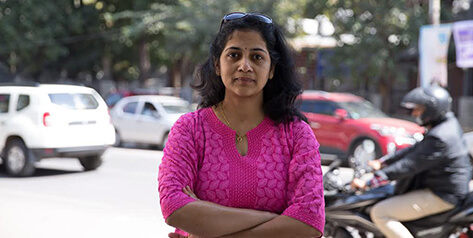
Many of us have either been a witness to, or perhaps have even participated in road rage, resulting from a variety of factors. One of them being traffic jam. It can get abusive and violent - sometimes verbal, sometimes physical. Nonetheless, we carry on with our daily commute knowing fully well that anyone can exhibit it. And that we are at the risk of being victims of road rage.
One person decided to step up and do something about it.
Here's how she's effectively working on providing solutions for the road rage menace in her city.
Stepping up to the ground - Birthing a movement for road safety
Anusha Jaishankar returned to India from California after several years and couldn’t help but see the changes. The traffic on the roads, the driver’s rage and the roadkill she witnessed were disconcerting for her. On a mission to bring about a change, she launched Positive Strokes, a community based set-up that rewards and promotes good road behaviour.
The beginnings of Positive Strokes
"Years ago, I had been in a seminar at work that talked about the Canadian police using positive reinforcement - to help redirect energies of the troubled youth from crime ridden communities.
That got me thinking. Back in India, I wanted a way to influence road behaviour by positively reinforcing good road behaviour. But there had to be a proper mechanism to do it. Perhaps one that didn’t involve standing in traffic.
A visit to the Traffic Management Centre (TMC) in my city provided me a way to address this issue. The TMC captures wrong doers using CCTV cameras placed all over the city at traffic junctions.
Positive Strokes used live feed from the cameras to identify and note down the license plate numbers of those vehicles that were seen following traffic rules and/or doing something right on the road.
For instance, some drivers stopped and waited for pedestrians to cross.
We reached out to these drivers and rewarded them with badges on 'good road behaviour', certificates etc. This method not only influenced the pleasantly surprised reward winners, but also the people at traffic management centres who were watching the traffic flow capturing good behaviour. It helped drivers know that their 'good behaviour' was appreciated.
It also gave the ones watching the behaviour on-screen a sense of the enormity of the traffic problem, along with a strong sense that they themselves should not add to the problem."
Not a smooth ride: On Overcoming Challenges
"Back in 2012, rewarding positive road behaviour was practically unheard of. Penalty and shaming were considered more popular to keep road behaviour in check.
Pushing back on and criticising an untested idea is far easier than putting oneself on the line and supporting it. It took a lot of time and effort to come up with a systematic methodology.
Armed with this, after close to two years of convincing and negotiating to get the essential people and organisations on board, Positive Strokes was launched with the first public event in 2014.
What's the road ahead like in terms of road safety in India?
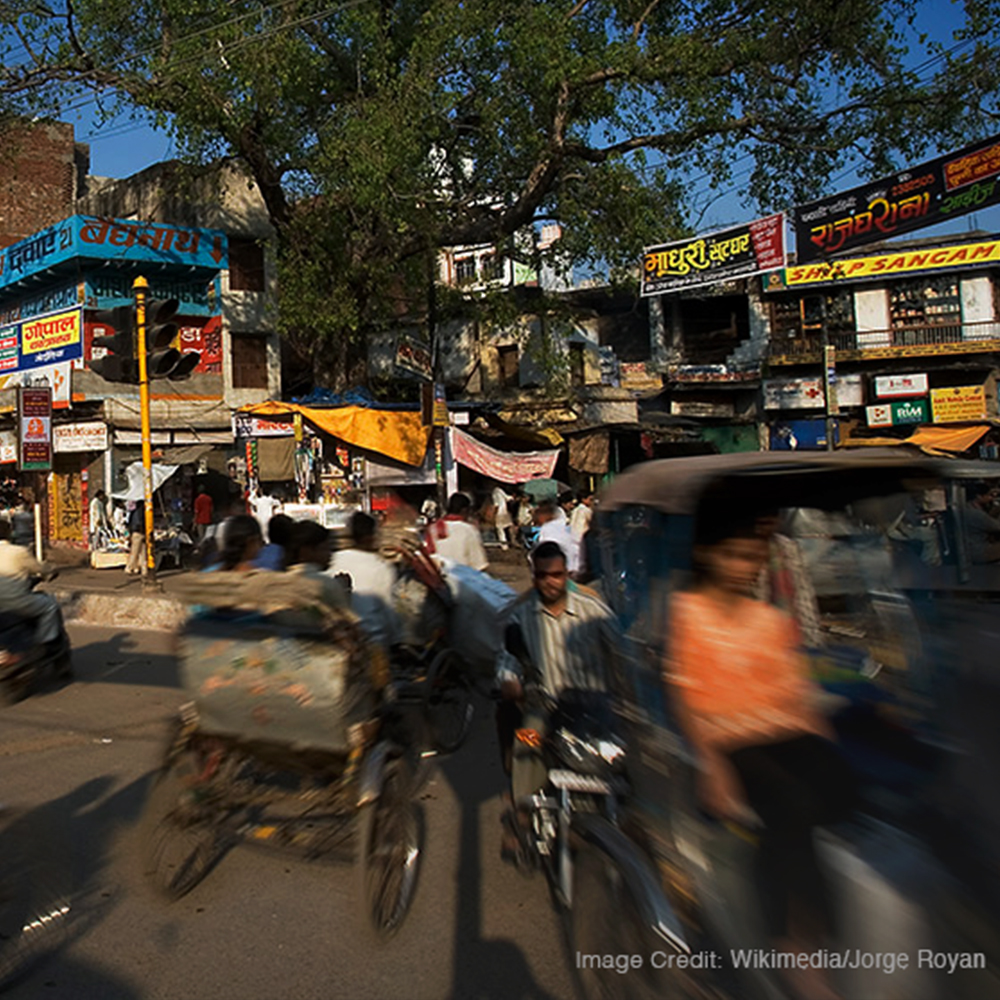
With no stop in the number of vehicles being registered and the grossly inadequate road infrastructure, our cities are bursting at the seams. It plays out as a bad road experience for all road users.
On the bright side, over the last couple of years, many organisations and communities have come together to contribute to solving issues by raising awareness, taking on activist roles and by being socially conscious.
Organisations like the Bangalore Traffic Police have the basic essential technology setup and raw data about road situations over the last several years. Based on this, it is possible to make massive changes. In a city of over one crore people and half as many vehicles, technology must and will play an increasingly important role in decision/policy making and implementation. It is a long, tiring road ahead but with more people thinking about various ways to alleviate the traffic and the road safety situation, there is hope.
If she can do it, why can’t we?
“We’re all in this together.”
If we expect the right to use the road, we should also exercise the responsibility to maintain discipline, decorum and decency on the road towards all the other road users. The aim should be on being a problem solver! The fewer complainers we have and the more doers, the better our society will be. Wake up before the unruly road behaviour and road rage results in more accidents, violence and deaths.
Alarm Bajne Se Pehle Jaago Re!
Share this story on
Five Infrastructural Issues India cannot ignore any more
India’s mounting garbage problem
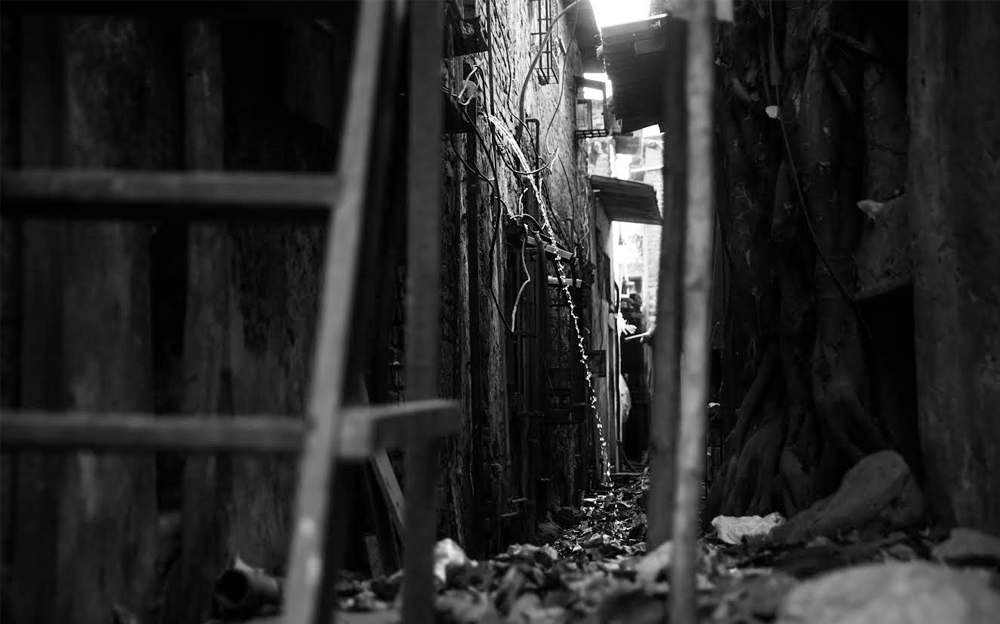
India generates 150 million tonnes of waste in a day. With no environmental friendly processing for the waste, the garbage is extremely hazardous, heaped together at landfills usually in the city’s outskirts, with scavengers often including young children working in unsafe conditions to segregate it.
Drinking water that’s bad for you
Over 46 million Indians are exposed to contaminated water. In fact, India has the highest number of people in the world without access to safe water, and are forced to live with contaminated water. Many children in impoverished villages and even in ‘developed’ cities like Mumbai grow up living with impure water.
India has more mobile phones than toilets
Around 60 % Indians do not have access to safe and private toilets. A report by Water Aid states that “If all 774 million people in India waiting for household toilets were made to stand in a line, the queue would stretch from Earth to the moon and beyond.”
Roads that kill
Over 10,000 people were killed in India in 2015 because of accidents by potholes or damaged roads. On an average, 400 people are dying on India’s roads daily. Potholes, damaged roads and hazardous driving conditions are now a way of life in India.
Living in the dark
Of the world’s 1.3 billion people who live without access to power, a quarter — about 300 million are Indians. Another problem is erratic or unstable power supply, particularly in India’s villages, where several Indians continue to live in the dark.
The alarm has been ringing far too long – Why are we ignoring it?
We have waited for a complete downfall of our city structures, and been very casual about the collapsing infrastructures. When are we going to be take things seriously, take action and stop being indifferent and stop ‘adjusting’. Wake up, the warning signs are all around us.
Alarm Bajne Se Pehle Jaago Re!
Sources:
Share this story on
Saving water is not that hard - here's how
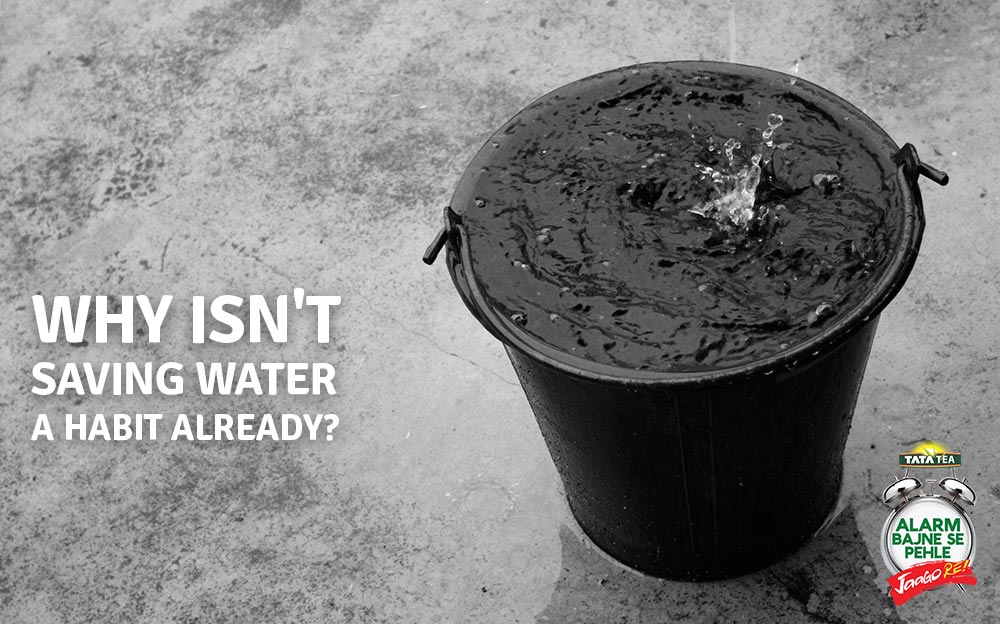
India is undergoing severe water scarcity, which is expected to worsen as the population of the country increases. Nearly 77 million of the nation have no access to safe water. 22 out of India’s 32 big cities are having to face water shortage on a daily basis (according to a 2013 report).
The situation is getting drearer by the day and it is upto each one of us to make amends, as water scarcity can impact every sphere of life. The need of the hour for all of us is to find ways to save water in every day activities, which all adds value to the larger cause of conservation of water.
For example, here’s an ingenious way to save water:
Sources:
https://thewaterproject.org/
www.sustainabilityoutlook.in
Share this story on
Citizen speak on solutions for India's water crisis
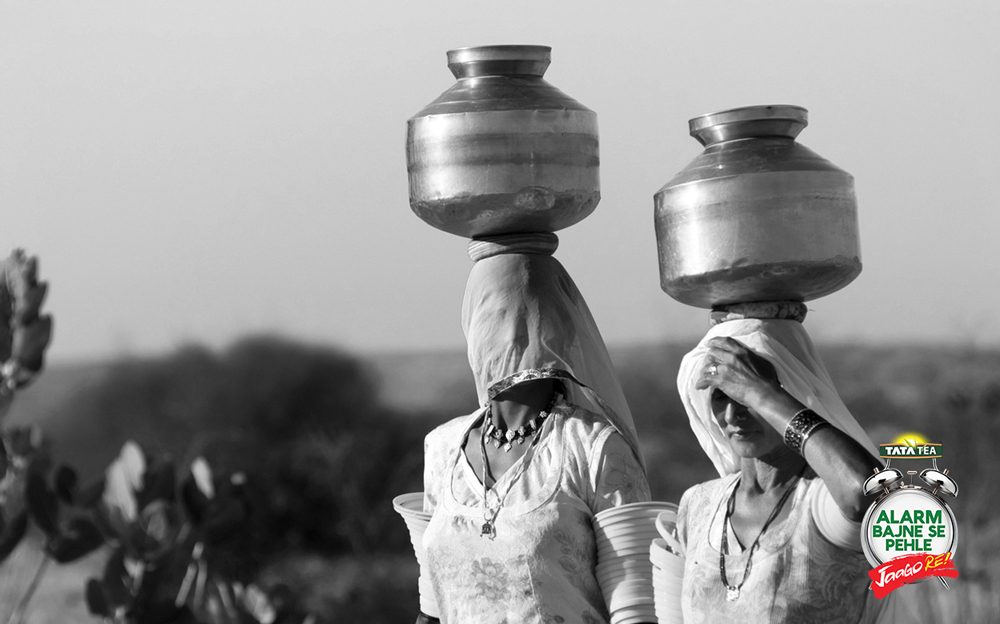
"70% of Earth is water. Are you telling me we are going to run out of water?"
"Enough water is recycled everyday. We don’t have to worry!"
These are some of the statements often made when the conversation of water conservation is on the table. We call water the elixir of life, but how often do we really give it much thought before we go about wasting water on a day to day basis?
Especially now, with the increasing scarcity of water everywhere and more and more areas struggling with droughts in the country, keeping a check on our water usage is more important than ever.
While it is your call to cut back on the number of showers you take daily or how you wash your dishes, your small actions on a daily basis amount to a lot. Your simple call to turn the faucet off while brushing can save up to 2.5 gallons of water per minute.
There are a million ways to cut down on water wastage, but they all start with the will to do it. On the account of World Water Day on 22nd March, several citizens from all around the country came forward to talk about the burning issue that water crisis is as they shared their thoughts during our Twitter chat with experts @indiawater and @WaterAidIndia.
Here are some of the highlights:
Realising the problem
Taking actionable steps
Disclaimer:
Views expressed here are of the individuals alone and do not necessarily represent that of the brand.
Share this story on
Statistics that should scare every Indian today
The staggering number of farmers' suicides
More than 100,000 farmers have taken their lives since 1997.
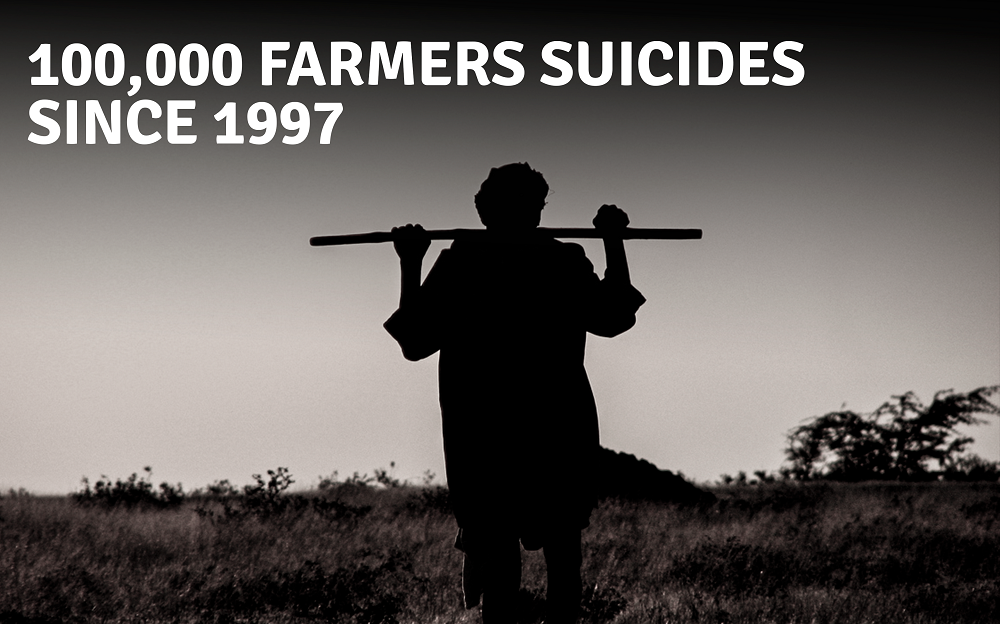
Source: UN
We’re not bringing home the Gold
India has won only 28 medals in total since it first competed in the Olympics in 1920.

Source – Indian Olympic Association
The Sun don't shine here
Some 400 million Indians have zero access to electricity.
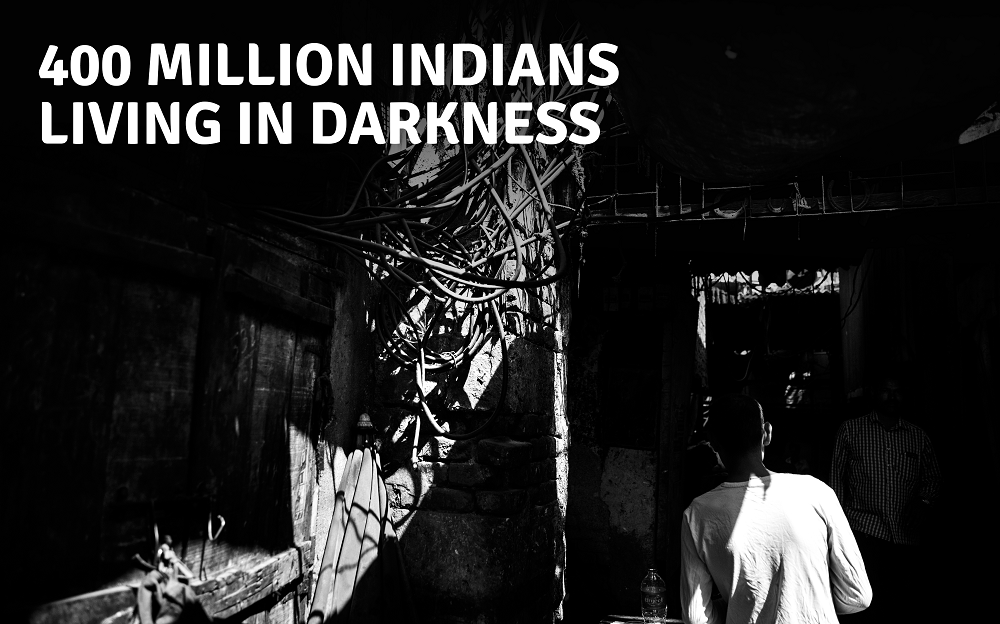
Source – Economic Times
India's deadly drink
Nearly 50% of India's groundwater is poisonous
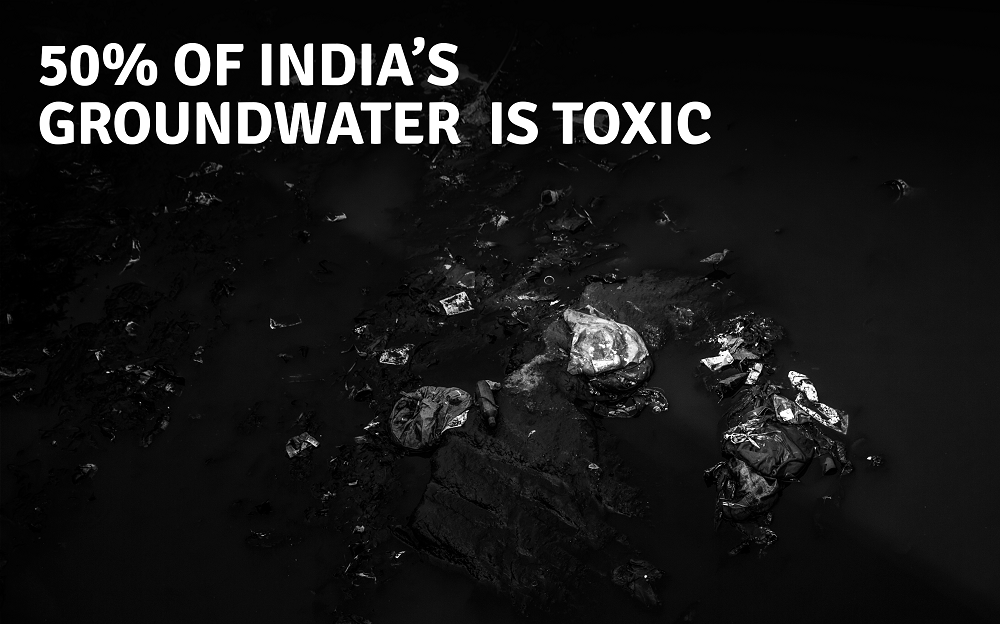
Source – DailyMail
Where breathing can kill you
India's air ranks as the most polluted in the world
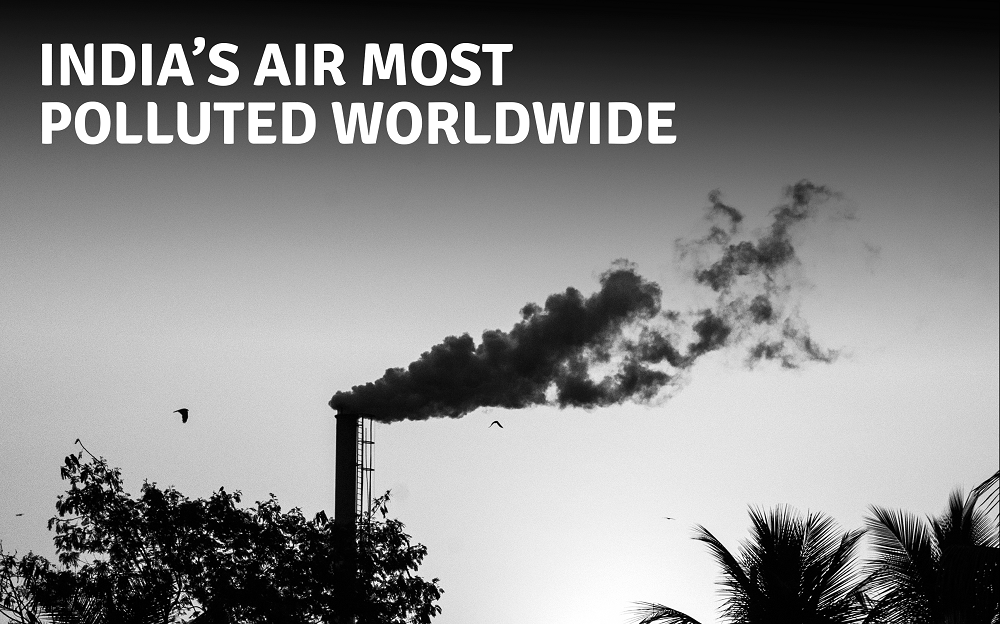
Source – Yale Centre
Being a woman in India could mean you're a fatal statistic
848 Indian women are harassed, raped, killed everyday
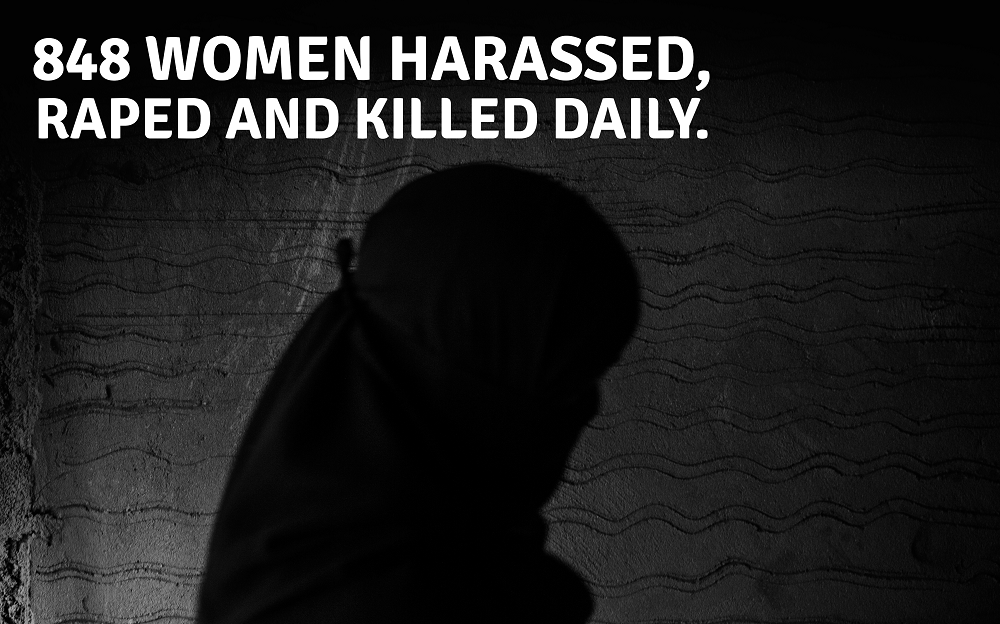
Source – NCRB (National Crime Records Bureau)
How many more alarming statistics will it take for us to wake up?
These horrifying numbers speak louder than words. Yet the numbers have reduced us to a stupor. These numbers have been screaming for our attention. It's high time we look at the issues, the faces and the people behind the numbers. It's time we become more about human and sensitive to the real issues we face today, before either one of us become a statistic.
Alarm bajne se pehle Jaago Re!
Share this story on
Experts' take on solutions to India's water crisis

At the risk of stating the obvious, water is precious. Potable water, more so. Water, which presumably should ideally be a human birthright is becoming dearer in that like anything else in the economy, the demand is rising, the supply is falling and the price is skyrocketing. Do we understand the gravity of the situation? Is there a real reason to be concerned or are we just being a little paranoid. Are we victims or perpetrators? or perhaps hopefully we are both. That just mean it is up to us to make the change.
So we turned to twitter to ask experts what they think. Following is what ensued.
Experts are of the opinion that water is sourced mainly from the ground and it is most used in the area of agriculture. We know that the groundwater levels are diminishing and agricultural demands are increasing as our population flourishes.
Surely, there are some stats that will validate the information so that we don’t go by mere hunch.
While the outcome is one, the causes seem to indicate that the problem is really systemic. Depleting water sources, pollution, rising demand, poor management, and pathogens make water inaccessible.
There are infrastructural and governance factors that contributes to this problem.
If we are able to narrow it down to infrastructural intervention, the next step is to identify what can be done.
While these are macro level solutions, there has to be some way that individuals can contribute to the cause.
The very basics of reducing and optimising water usage by knowing when to keep taps running, at what level and when to turn if off goes a long way. So does reusing rainwater and fixing leaky pipes.
Can the language we use change help change perception of what we have to deal with?
Wastewater has a connotation of being unusable or even untreatable.
What does a water conserving community look like?
In the simplest terms, it's all about empowering the individual to serve the community. Everyone has to be made a part of the decision making process.
Naturally synthesising the individuals, communities, and systems would cause a cultural change. We asked how we could build a culture that believes in, and practices water conservation.
Awareness campaigns, access to technology and tax benefits ties everything together.
Water conservation is an urgent concern and requires individual ownership and participatory efforts to fix. The fact is that we have put ourselves in this situation of water crisis, and only we can take steps to make sure we don’t run out water. It’s time to start conserving water, before it gets too late.
Alarm Bajne Se Pehle #JaagoRe
Disclaimer:
The views expressed by the experts belong to the experts alone, and do not necessarily reflect that of the brand.
Share this story on