Being Aware vs Being Sensitised - Tackling the HIV/AIDS issue

On World AIDS day, we asked people a simple question on our social platforms - “What would you do if you got to know that your friend is HIV positive or has AIDS?”
Here are some of the responses we received -
“Spread this news in school/college. Start making a distance from him/her.”
“My first reaction will be, ‘Bhai condom ke paise nahe the to mujhse le”
“Ask him for some blood.. I've some scores to settle #ColdRevenge”
While AIDS awareness has been a major agenda all over the world, these responses made us think that we as a society need to first rethink the way we address someone who is living with the HIV infection or AIDS. Our attitude leads to their ostracisation, and we become a major source of depression among people in the community. Evidently, awareness about AIDS/HIV is just not enough, and there is a drastic need for the shift in our mentality to show our solidarity to the AIDS/HIV community.
To know how to bring about this shift in mentality, we spoke with Nived Nambiar (an AIDS awareness activist) and here’s what he had to say:
Difference between HIV and AIDS
HIV is a virus that causes infection, AIDS is a condition developed by the severe immune destruction due to HIV virus.
HIV (Human Immunodeficiency Virus) is a subgroup of retrovirus that causes HIV infection. Progressive failure of our body’s immune system (if left untreated for years) allows life-threatening infections and cancer to thrive, this condition is called AIDS (Acquired Immunodeficiency Syndrome).
Ever since the virus dreadfully made its presence felt in the world in 1980’s, HIV has infected, 37 million people in the world (WHO).
Reasons behind stigma against the HIV / AIDS
Click here to read more about the stigmas related to HIV infections / AIDS
Earlier, there was almost no awareness regarding the prognosis of the disease, and medical treatment was absent to control the viral activity. This resulted in unfortunate stigmatization and added immense pressure on people living with HIV/AIDS (PLWHA) to conceal their status to anyone. Things have changed now with medical discoveries, but the stigmas remain.
When we hear HIV or AIDS, we only have one word to associate it with - Sex. We have kind of set our mind that HIV cannot be transmitted through any mode other than sex, and it seems like we have taken an ownership for this inappropriate ideology.
Stigma is also associated with hesitation to get subjected to mandatory HIV testing, it almost sounds like an ‘abuse’ when one is insisted to undergo testing. This report on hand comes with the fear of being detected positive and feeling endangered about the consequences he/she could face.
How to overcome stigmas against HIV / AIDS
Awareness is the key to combat HIV because ignorance, followed by stigma holds the potential to kill the survivors psychologically killing their strength.
1. Know the right language or the right terms
The first step is to break the bad language and emphasize on using right terms. An individual suffering from the disease is a ‘Person living with HIV/AIDS’ or a ‘HIV/AIDS survivor’, we must address them positively. ‘HIV Patient’ or ‘AIDS patient’, ‘AIDS victim’ must be avoided to maximum level as it only creates negativity, affecting their psychological well being.
2. Know what happens when someone has AIDS
HIV survivor dies of/from AIDS-related diseases and not because of AIDS. Like I mentioned earlier, AIDS is an advanced stage that involves severe immune system destruction making the survivor extremely vulnerable to opportunistic life-threatening infections that causes death ultimately.
3. Know how HIV is transmitted
HIV is transmitted via:
Unprotected (or condomless) sexual activity between partners (both Heterosexual and Homosexual).
Through Placenta from Infected mother to fetus.
Using infected hypodermic needles.
Drug overuse.
HIV is not longer a deadly disease
Survivors with successful HIV treatment on regular basis have shown undetectable viral load on their body fluids, which means that the viral activity is under-control and less likely to transmit. In fact, there are discordant couples (where one partner is HIV-infected and other is not) who are living a regular life. People living with HIV/AIDS shouldn’t be judged for their HIV status, neither should the theory of their possible infection be a subject of discussion.
Psychology always affects physiology.
When a body is stressed or experiences a negative atmosphere, it affects the body’s immune system making the body weak and develop symptoms in the form of headaches, body aches, mood swing and in extreme cases, chronic depression. It is the same with people living with the HIV infection or AIDS. Imagine how amazing their life would turn out to be if they received positive vibes from a supportive society.
What are some of the ways in which we can remove the social stigmas related to people living with HIV infections and AIDS? Write to us at jaagorein@gmail.com or on Facebook, or tweet to us at @JaagoRe.
Disclaimer:
Views expressed here are of the author alone and do not necessarily represent that of the brand.
Sources:
Wikipedia
About the Author:

Share this story on

6 simple steps to protect yourself against Cyber Crime
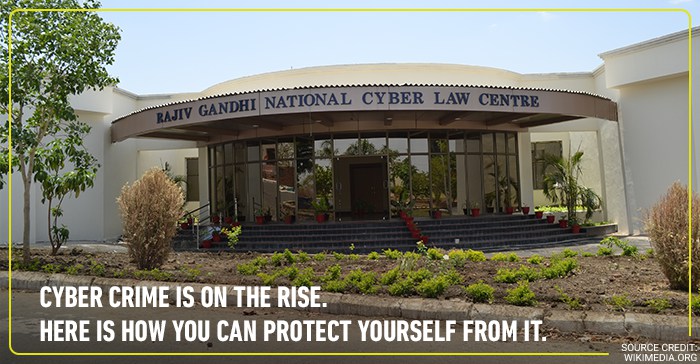
What makes cyber crime dangerous?
Is it the anonymity that internet provides its users?
Or is it because of the rate at which it is growing?
In 2011 there were around 13,301 cases of cyber crime reported in the country but in 2015 we already have over 3, 00,000 cases.
All the above facts throw light on the disturbing facts of cyber crime.
To help you stay safe from becoming a victim of cyber crime, here are some precautions you could take:
Using a strong password:
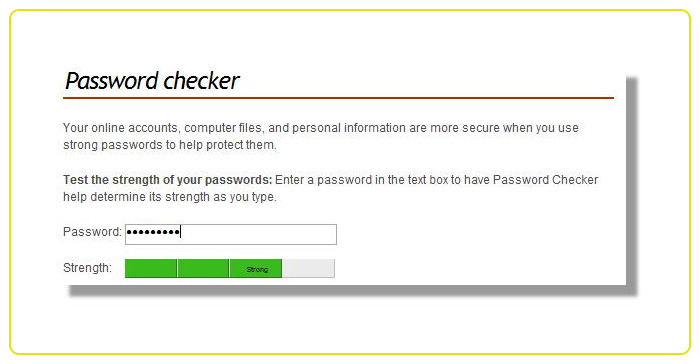
The first defence in being safe is to secure your password. This statement might have become redundant as you see it every time you sign up for an account but a strong password does make a huge difference to how safe your account is. This is imperative, especially when it comes to cyber-stalking (where someone goes through all your information present on your computer or on social media) and hacking (gaining illegal access to computer or data).
You can also protect your password by using a trusted password generator or simply make sure you have a combination of alphabets, numbers and symbols in the chosen password.
Never disclose your account details to anyone or any personal data to someone on the internet or on the phone:
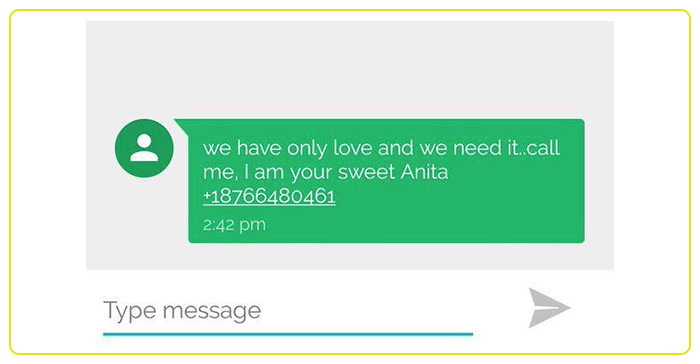
Many people have been getting fraudulent messages that ask them to disclose their bank account details or transfer money to another account in promise of more money. People who aren’t aware of such scams fall prey to them. These messages or people are scams and must be reported to the police or bank authorities.
Many times people call and ask for personal details regarding online accounts stating they are from trusted sources such as a bank. Unless you know the person and can authenticate him/her, never give your details.
Use a trusted anti-virus:
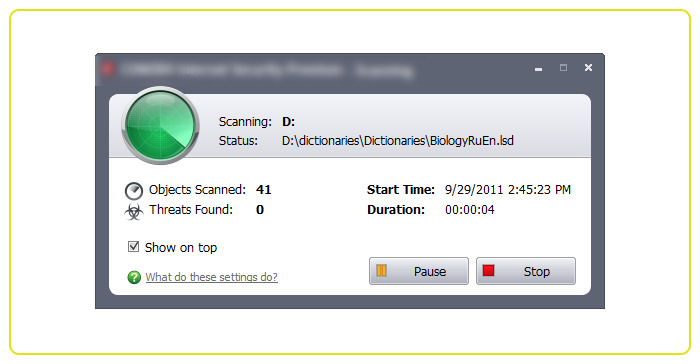
Many people believe that there is no use of using an anti-virus but protecting your computer via an anti-virus can actually stop people from hacking into your computer and stealing your information. Investing in a good anti-virus is one of the key steps in ensuring safety from cyber crimes. Also, maintaining and upgrading your anti-virus is crucial.
Never send credit/debit card details on any untrusted site:
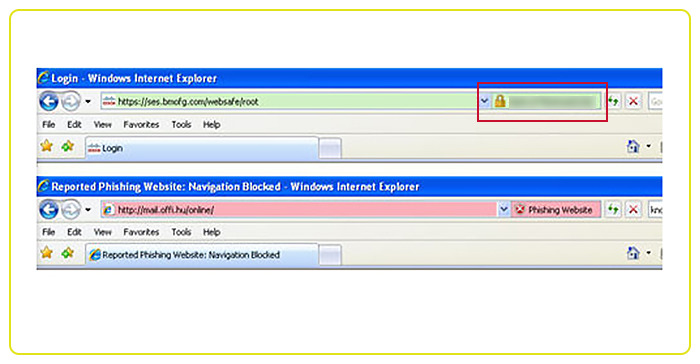
If a payment site does not start with https or if you are asked for your credit/debit card details when it does not seem necessary, then never enter your details. There should also be a lock icon on pages that are secure. If none of these parameters are present, then do not reveal your card details.
Protect your Wi-Fi:
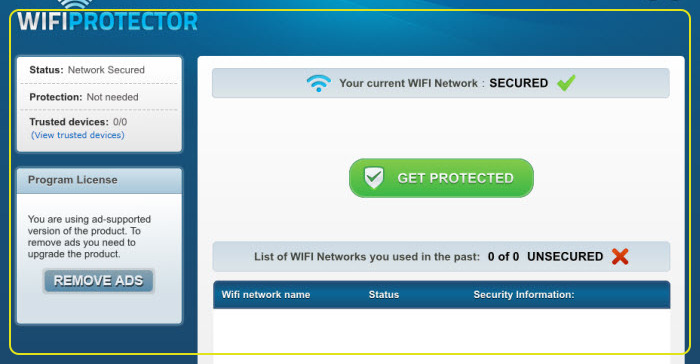
Make sure you have a strong, encrypted (8 digit, website generated password). If you prefer your password to not be encrypted make sure that no one except the people in your house are aware of how to log onto the Wi-Fi.
An additional measure you can take is to make sure your phone or your computer’s Bluetooth is switched off when not required.
Report a Cyber Crime immediately:
The Information Technology Act 2000 was enacted to help for the commercial use of Information Technology (IT). It also states actions that are punishable in the IT space.
The Indian Penal Code 1860 has also included cyber crime under its purview.
Bogus websites, threatening messages sent via email, email abuse, hacking etc. are some of the acts that come under the above mentioned laws.
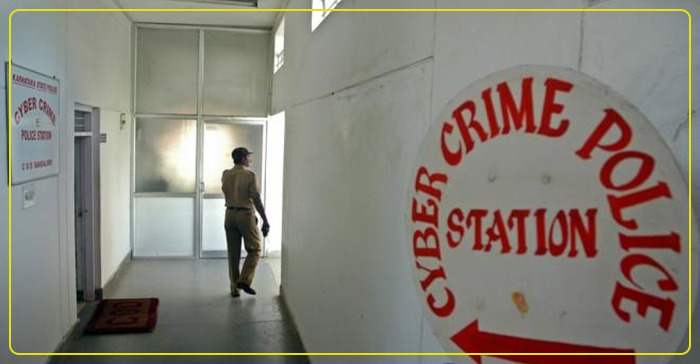
Every city has a cyber crime cell where the complaint should be lodged.
If a person suspects that he/she is a victim of cyber crime then they should immediately go to the authorities with the necessary details.
The introduction of new technology brought new types of crime which is making us insecure of the information we can or cannot put on the internet. It takes only a matter of seconds to become a victim of cyber crime. To make sure that such crimes decrease, everyone must make efforts to keep themselves safe and educate those around them to not fall for illegal activities, scams or frauds.
If you have you been a victim of a cyber crime or want to share your views on the subject, please write to us at jaagorein@gmail.com or tweet to us at JaagoRe.
Sources:
LegalIndia
ASSOCHAM
Share this story on
5 Simple Ways to Practise Waste Segregation
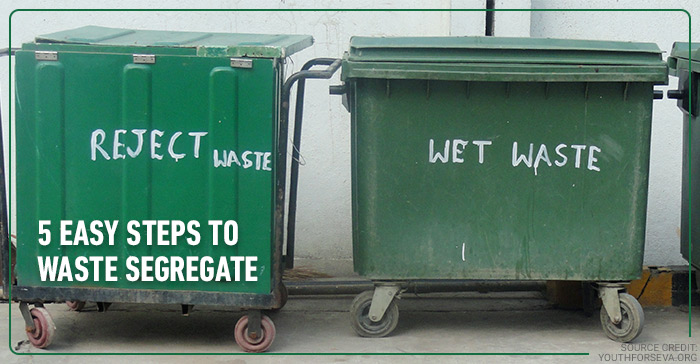
What is waste segregation?
Waste segregation refers to the separation of wet waste and dry waste, the purpose is to recycle dry waste easily and to use wet waste as compost.
Why should we segregate waste?
When we segregate waste, there is reduction of waste that gets landfilled and occupies space, air and water pollution rates are considerably lowered. Segregating waste also makes it easier to apply different processes - composting, recycling and incineration can be applied to different kinds of waste.
Here are some steps to manage and segregate waste:
1. Keep separate containers for dry and wet waste in the kitchen.
2. Keep two bags for dry waste collection- paper and plastic, for the rest of the household waste
3. Keep plastic from the kitchen clean and dry and drop into the dry waste bin. Keep glass/plastic containers rinsed of food matter.
4. Send wet waste out of your home daily. Store and send dry waste out of the home, once a week.
5. Keep a paper bag for throwing the sanitary waste.
Practising waste management and segregation as a community -
The best way to practise waste management is to form a group of like minded people. The process of waste segregation should be thoroughly explained to family/neighbours in your apartment building or neighbourhood. Create awareness amongst the staff in the apartment building/neighbourhood to help make the process easier. Acquiring separate storage drums for storing the dry waste and wet waste will be a great way to store bulk waste. Contact the local scrap dealer to collect the dry waste.
Are you practising waste segregation in your home? What are your thoughts on this? Let us know your thoughts in the comments below, you can also reach out to us on our Facebook page, or tweet to us @JaagoRe and even write a mail to jaagorein@gmail.com.
Share this story on
5 Steps to make workplaces accessible for persons with disabilities
.jpg)
Around 4 - 8 percent* of people in India are persons with disabilities, but India is still quite behind in terms of acknowledging and assimilating them in the workforce. A major reason behind this is the lack of awareness about disabilities. Many employers do not know how workplaces can be made more accessible to people with disabilities or how to look at them as human resources. This results in persons with disabilities being stigmatised as burdens and being forced to be dependent on others.
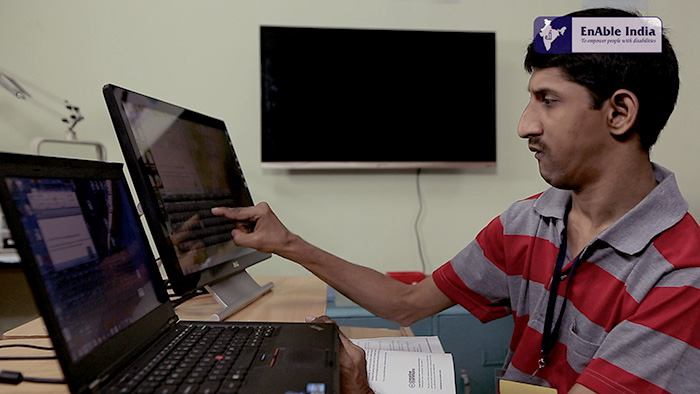
How can we change our workplaces to ensure that persons with disabilities get the opportunities they deserve? To understand this, we approached Mr. Subbiah, Program Manager - Employment from EnAble India, and he shared with us the first five steps that he thinks are needed to make workplaces accessible for people with disabilities:
The first step is disability awareness – It is essential to make employers aware about the different kinds of disabilities, as different disabilities come with different challenges and required intervention, and also to change their mindsets about persons with disabilities.
The second step is job analysis - To ensure that a person with disability is able to work optimally, their skills have to be matched to the job role. So, at EnAble India, we do a careful examination of job tasks to help employers hire persons with disability better. Workplace solutions and accessibility of premise and IT tools are addressed.
The third step is peer awareness – Just employing a person with disability isn’t enough sometimes. It is important for us to sensitise the co-workers and address apprehensions of the other employees in a company to help accommodate and assimilate persons with disabilities, so that the work environment functions smoothly.
Sometimes, persons with disabilities need some initial handholding to help them get familiar with the workplace to ensure that the premises are accessible and comfortable. This is something that EnAble India can help employers do.
Finally, ensuring that follow ups happen with the company and employer to create a culture of inclusive hiring. Communication about challenges to both employers and their employees with disability is one of the best ways to ensure accessible workplaces.
Given the deep biases against people with disabilities and acute lack of information, there is a lot more that goes behind prepping both the employers and the candidates. The first thing to do for all of us is to let go of our preconceived notions and look at persons with disabilities as individuals who contribute as much as (if not more than) any of us, and who can in fact make our workplaces more inclusive and efficient.
What more can the society and the employers do to encourage workforce participation from the Persons with disability? Share your opinions with us on our Facebook or Twitter pages, or write to us at jaagorein@gmail.com
Sources:
*National Centre for Biotechnology Information
More about the Expert:

Share this story on
The story behind traffic issues in India
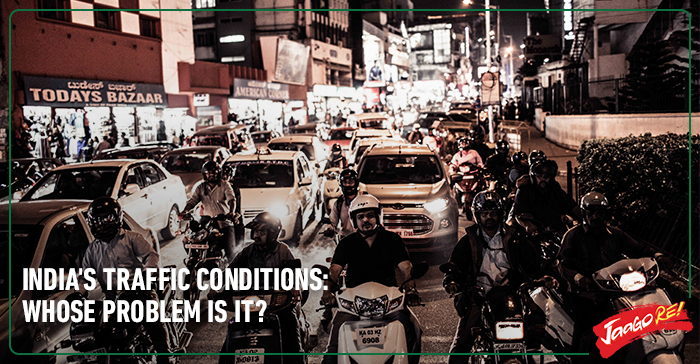
Is traffic a big issue in our cities?
Most of us think it is, but we tend to forget that we are the traffic; that we are the problem, and the solution. We find it easier to blame the traffic police and the infrastructure for the issue, but what does the Traffic Police think?
We interviewed a few traffic police officers to know their perspective on the “traffic issue”, and here’s what they had to say:
What is the most challenging aspect of managing the Traffic?
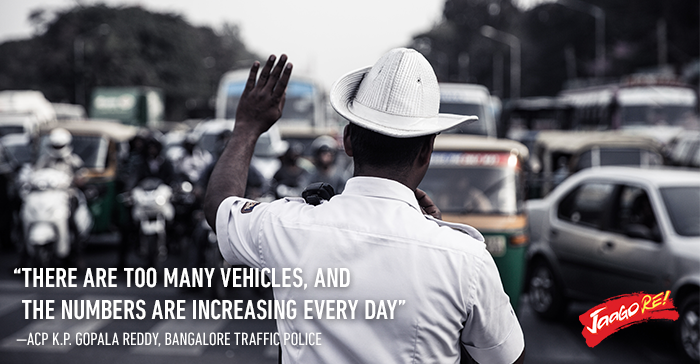
K.P. Gopala Reddy, ACP, Bangalore Traffic Police, said that there are too many vehicles in our cities, and the numbers are increasing every day. This is a big challenge for the traffic police officers, and they need cooperation from the people, the pedestrians, and the motorists, to be able to manage traffic. Our lack of patience and lack of empathy disrupt the balance the traffic police try to maintain on roads. If one person stops, the people behind try to overtake, blocking vehicles coming from the opposite direction. Just because one person decides is impatient, the entire stretch of road gets blocked.
How dependent are we on Traffic Police Personnel, and why?
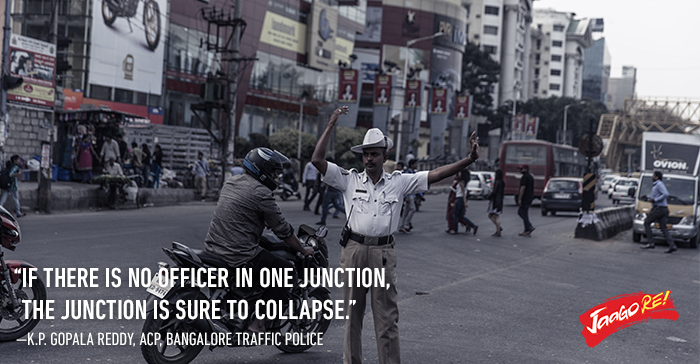
Every junction in our cities need constant monitoring. Our disregard to traffic rules make our roads dependent on the Traffic Police. Mr Gopala Reddy said that if there is no officer in one junction, the junction is sure to collapse. You can imagine the kind of pressure the traffic police officers go through. While a normal person needs a haemoglobin level of 11-16, our traffic police officers have less than 10 because of the constant exposure to both, pollution and natural elements like sun and rain.
Should we have more stringent rules?
We can plan and have rules, but if people do not care about these rules, they are not going to help. Mr Reddy says that we have everything on paper - good plans and good rules, but implementation is extremely difficult, especially because there is no regard for others on road, or for the traffic police. Everybody is in a hurry, or is thinking about themselves, no matter how their actions affect others.
What are the pressures faced by the traffic police?
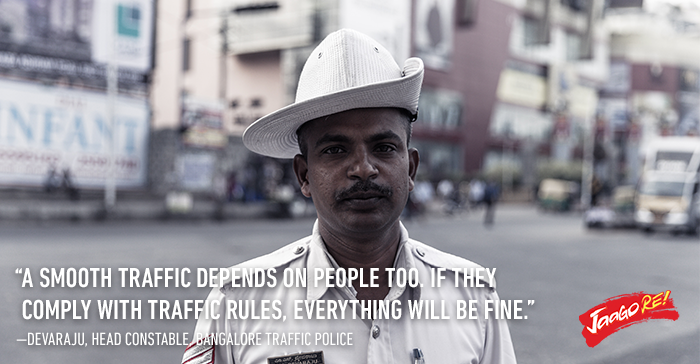
Traffic police departments are understaffed, and there are limited number of personnel even as our cities are expanding. People don’t want to join the traffic police force because of the long and hazardous work hours. Hence, it becomes extremely difficult to manage escalating population on roads. The Department of Traffic Police are ensuring that a minimum educational level of SSLC is required to get a driving license, so that people who drive or ride know the traffic rules and are aware of their responsibilities in traffic, but it is sad to note that even educated people do not obey traffic rules.
What is the one traffic rule that all citizens need to follow?
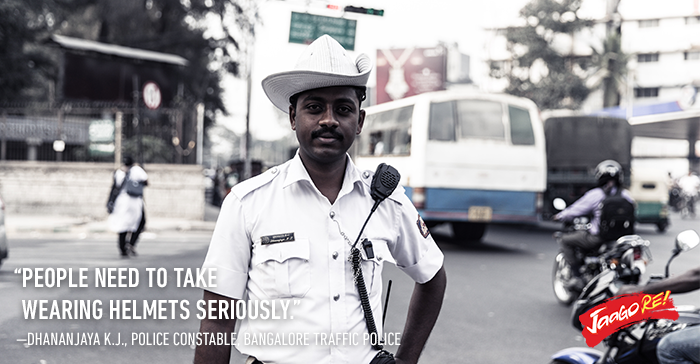
All traffic rules are important, and we need to understand that these rules are in place to ensure our safety. Dhananjaya K.J., Police Constable at Bangalore Traffic Police, pointed out 3 rules that he thinks everyone must follow – wearing helmets, stopping at red and yellow signals, and following lane discipline.
The recent rule enforcing helmet for pillion riders has been put into place after extensive research which pointed out that a large number of pillion riders suffer or succumb to head injuries, hence people must wear helmets while on two-wheelers. Mr Dhananjaya believes that if people start following these simple rules, our traffic conditions could improve manifold.
One thing we learnt from our conversation with the traffic police officers is that they are willing to work extra, to put their lives in danger every day to make sure that we are safe. Don’t you think we need to take steps to help them by following rules and finding ways to pay the traffic police officers their due respect?
Send us your suggestions or views on solutions for traffic issues in our cities, on Facebook or Twitter, or send us an email at jaagorein@gmail.com.
Share this story on
What is being done to protect India’s domestic workers?
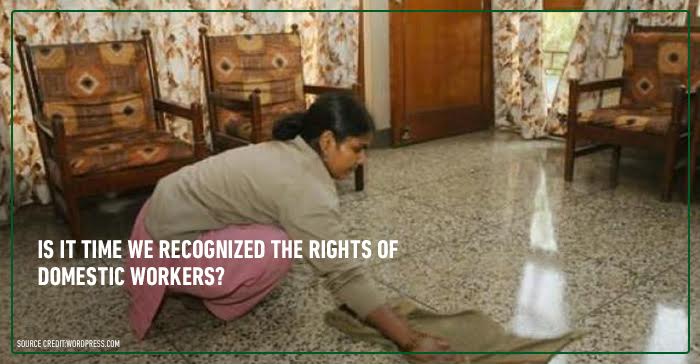
The Rajasthan government has implemented minimum wages and standard working hours for domestic help, starting 1st January 2016. This is a major step in fighting the widespread exploitation of domestic workers not only in Rajasthan, but in India as a whole. Let’s get a better understanding of the need to look at the work conditions of domestic workers in India.
Who are domestic workers?
The National Sample Survey Organization (NSSO) classifies the following occupations as domestic labour: housemaid/servant, cook, gardener, gatekeeper/chowkidar/watchman, governess/baby-sitter, tutor, driver and “others.” India had 4.2 million domestic workers during the year 2004-2005 (National Sample Survey Organization) of which women comprised the majority, and the number of domestic workers in urban areas increased by 68 percent between 1999-2000 and 2009-2010.*
What are their working conditions?
Domestic workers fall under the unorganized sector of the economy therefore their conditions are not regulated or supervised. Since they are not recognised under India’s labour laws, they are marginalized and often exploited. There are no formal employment contracts, leading to poor bargaining power, no legislative protection and inadequate welfare measures and meagre salaries. Domestic help earn as little as Rs.169.32 per day for men and Rs.64.79 for women.**
What has the government done to help them?
There have been efforts by the government to improve the conditions of domestic help. Tamil Nadu has included domestic workers in their Manual Workers Act. Karnataka and Kerala have notified a minimum wage for domestic workers.
Rajasthan has now introduced a more comprehensive notification aimed towards improving the condition of domestic workers.
Here are a few points on the notification issued by the government of Rajasthan:
The work hours for domestic help have been set at 8 hours a day. Anything over that is to be considered as overtime.
The minimum wage for domestic help is now set at Rs.5,642 per month, exclusive of food, accommodation and any other perks. Overtime hours are paid at double the rate.
Domestic help hired only for dishwashing and laundry are to be paid at Rs.705 per month for a household of four members. Above this they are to be paid 10 percent more for every additional household member.
This notification is applicable as of 1 January 2016, and will be enforced through surprise inspections.
This might be a very important step towards improving the conditions of millions of domestic workers in India.
Further, a draft National Policy for Domestic Workers from the Union Labour ministry seeks to provide a minimum wage of Rs.9000 per month, in addition to 15 days paid leave in a year for domestic workers, along with maternity leave.
The Rajasthan notification along with this policy may hopefully pave way towards better, more dignified working conditions for the large population of Indian citizens who comprise the domestic workforce.
While laws can change the situation of the unorganised labourers, we as citizen also need to do our bit towards it. How do you think we can prevent exploitation of workers in the unorganised sector? Share your views on this issue on our Facebook and Twitter pages, or email us at jaagorein@gmail.com.
Sources:
*India Today
Livemint
**United Nations in India
Weigo
Share this story on
HOW CAN WE RECOGNIZE AND PREVENT CHILD SEXUAL ABUSE?
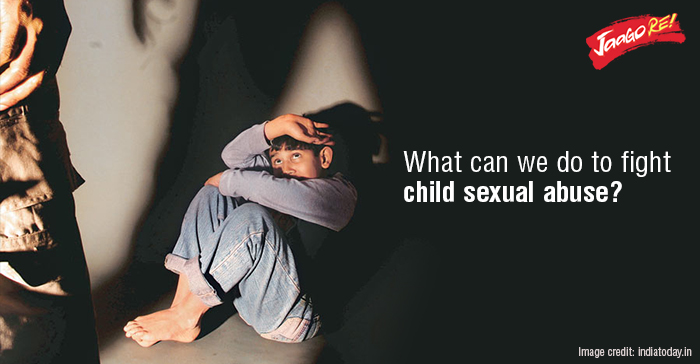
Child sexual abuse is any act that involves using a child for the sexual gratification of a more powerful person. Some forms of child sexual abuse consist of engaging with a child in sexual activities, exposure of body parts to a child or using a child to produce pornography. Abuse can occur anywhere, including home, school, or work. The abusers can be anyone---men, women or even older children. Most often they are known to the children they abuse.
According to the National Child Abuse Study in 2007, every second child has been subjected to one or more forms of sexual abuse. Over 21% of those interviewed said they were subjected to severe forms of sexual abuse. Of these 21%, 57% were boys and 43% were girls.
IMPACT OF CHILD SEXUAL ABUSE
For survivors, the impact of child sexual abuse can be devastating. They may feel major grief and exhibit a wide range of psychological symptoms, both short- and long-term.
In the short-term, children may exhibit regressive behaviors like thumb-sucking and bed-wetting, sleep disturbances, problems in eating, behavior problems at school, and unwillingness to participate in school or social activities.
Longer-term effects may be quite extensive, including anxiety, self-destructive behaviors like alcoholism or drug abuse, insomnia and many more.
Survivors may panic and exhibit symptoms of Post-Traumatic Stress Disorder. They may experience problems in adult relationships and sexual functioning.
Survivors may feel annoyed at the mere mention of the abuser or the incident, at others who failed to guard them, and at themselves for not having been able to stop the abuse.
Some may not have any impact at all.
SPEAK UP!
Child sexual abuse is not an accident and not necessarily a single event in the child’s life. Learn the early warning signs and ways to effectively voice out your concerns. Sexual abuse can be prevented. Adults must take the principal responsibility for protecting children by voicing out any doubtful behavior, which may risk the child’s safety.
Here are a few ways we can ensure child safety:
Show interest in their everyday lives. Get to know the people in your child’s life.
Choose caregivers vigilantly.
Teach children differences between safe and unsafe touches and encourage them to report it if they experience any unsafe touch or situation.
Let the child know that no one has the right to touch them in a way they don’t like or make them feel uncomfortable. Teach your child the names of their body parts. Teaching a child these words gives them the vocabulary to share when something is wrong.
Let them know it is not their fault and they won’t get in trouble if they speak up.
Take active steps NOW and help prevent child sexual abuse.
Arpan teaches personal safety skills to children in schools and provides therapeutic services to children and adult survivors of childhood sexual abuse.
To know more about Arpan and our work, visit arpan [dot] org [dot] in, or drop us a line at communication [at] arpan [dot] org [dot] in.
About the Author:


Share this story on
Empowering themselves in a biased world: A glimpse of transgenders in India
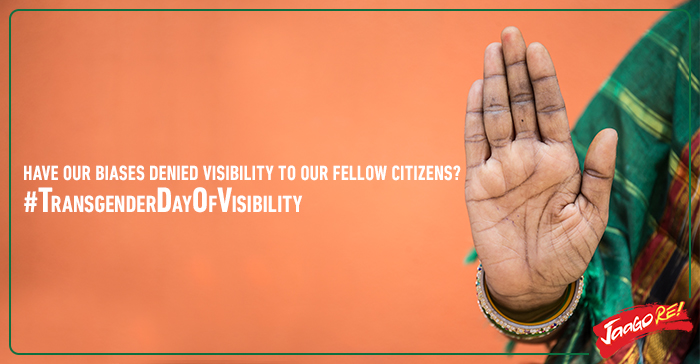
Transgenders have been a part of our society, our folklores, and our religious beliefs for a long time, but our perceptions of them have always been veiled behind one aspect - Gender. We have limited them in our imaginations and in popular culture as people who demand money on streets or indulge in flesh trade, but we couldn’t be more wrong.
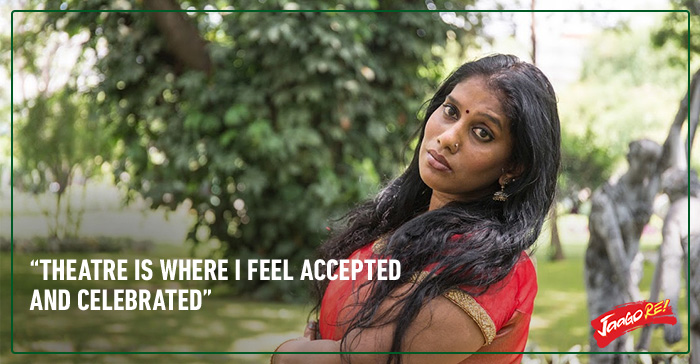
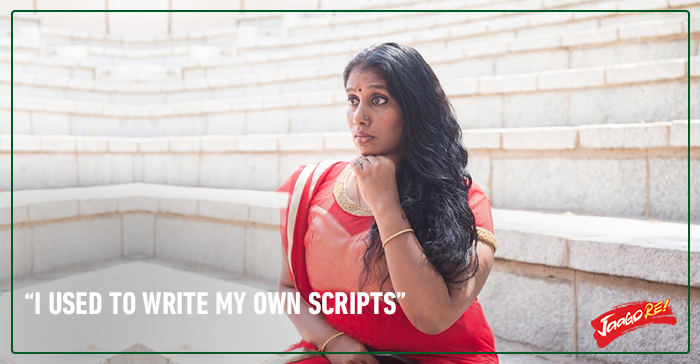
On account of International Transgender Day of Visibility (31 March), here are a few members from the transgender community sharing a glimpse of their lives with us. They tell us about:
Finding meaning in their passions
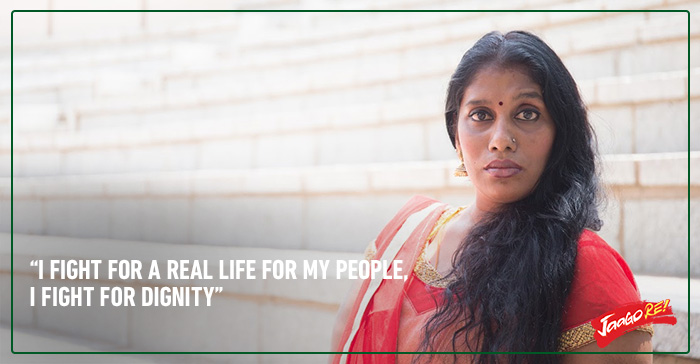

Living with Pride
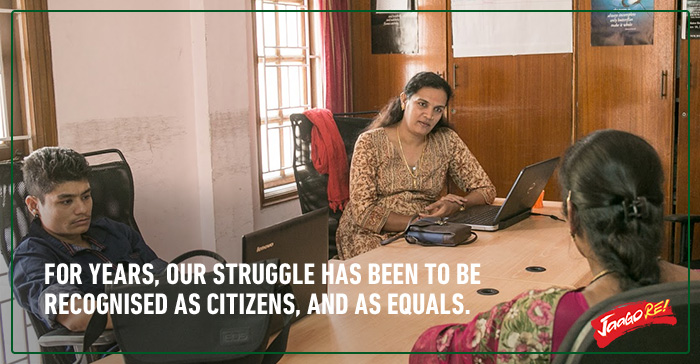
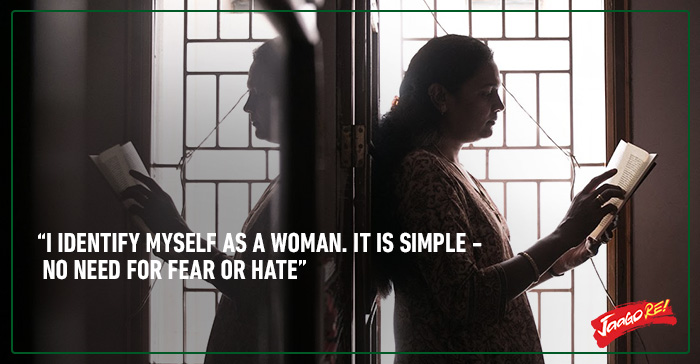
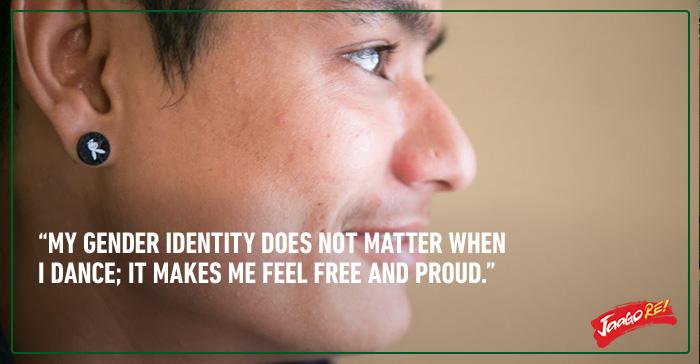
Being more than just the "other gender"
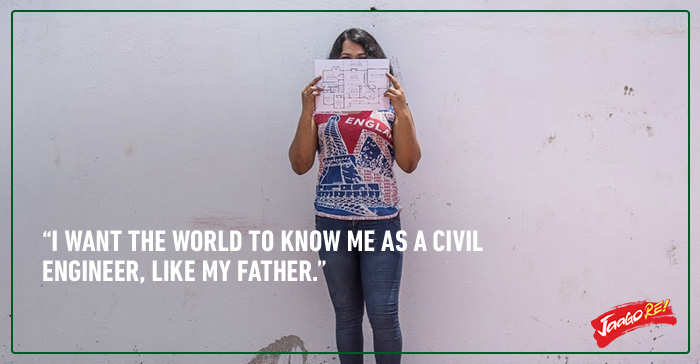

Being heard and seen
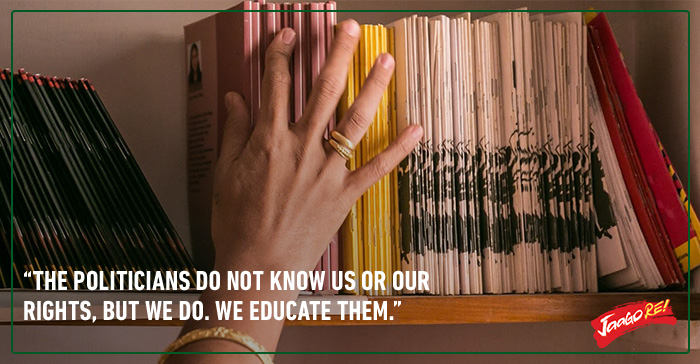

Learning to love and accept themselves, and others
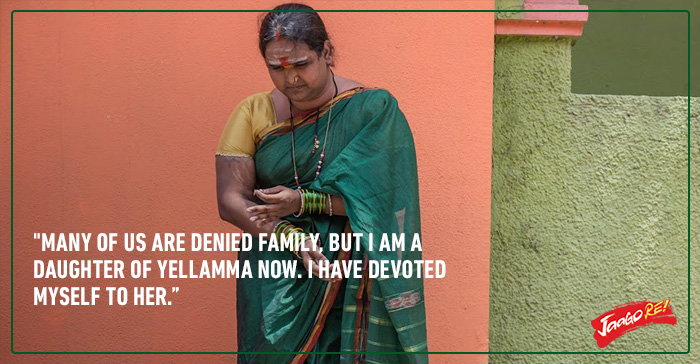
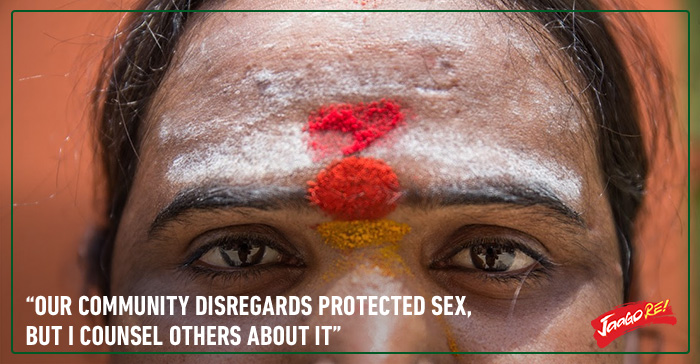
Pursuing happiness
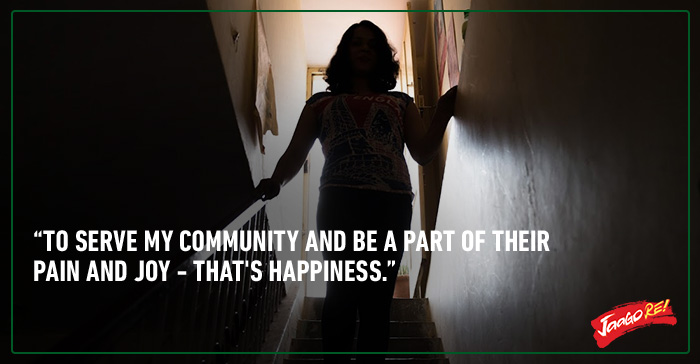
These are people who want to be remembered as humans, and as people with dreams and aspirations. They have grander stories to tell us about themselves than we could ever invent for them. Their stories are not just stories of pain and sufferings of being transgenders, but experiences and memories of unique and whole individuals celebrating their right to live. Is it not time that we too start seeing and listening to them as individuals, as equals?
What are your views on transgender issues and their visibility in India? Write to us on our Facebook and Twitter pages, or email us at jaagorein@gmail.com.
We sincerely thank Ranjitha, Rose, Christy Raj, Sony and Nisha for their valuable input.
Share this story on
For the love of sport: Securing the lives of future Indian sports stars
When we think of Olympics, do we think of the disappointment that was 2016, or do we think of the opportunities that lie waiting for us in 2020? Sadly, a quick online search will reveal the sheer number of negative responses to sports. All that commotion and furore over sporting facilities have died down, and it will remain dormant till the next big sporting event. Unless we change.
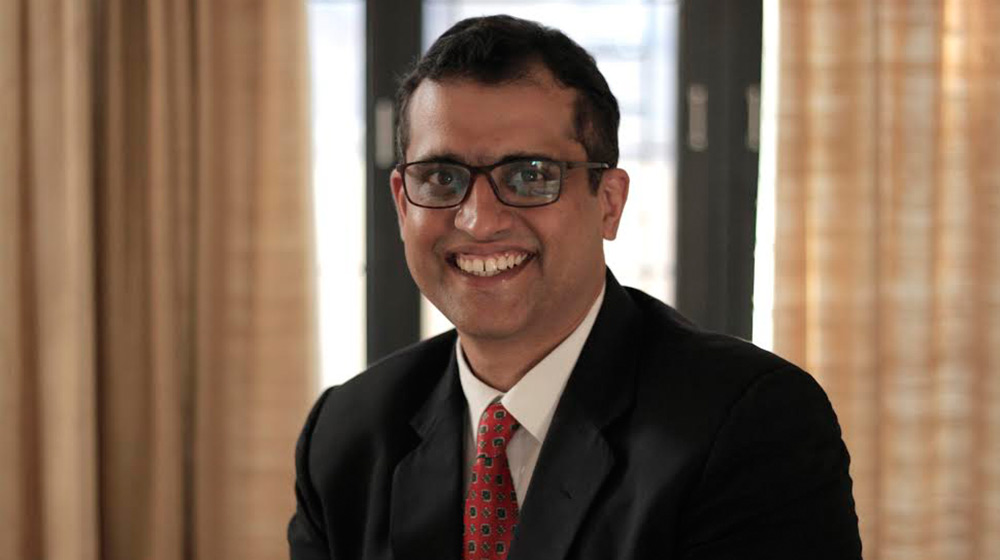
Unlike the majority of us, there are a few who believe in taking the bull by its horn. One such person is Nandan Kamath, ex-cricketer, lawyer and co-founder of GoSports Foundation, who realised the need for pre-activism to solve issues in sports in India. Here is his story:
“GoSports Foundation is a non-profit organisation focused on supporting the sporting journeys of the country's most talented young athletes for the Olympics and the Paralympics. We provide scholarships and support to junior Indian athletes.
I am also a lawyer, and specialise in sports, technology and media laws, with clients ranging from international and national sports federations, to leagues, teams, sponsors and athletes.”
The rough road ahead: Sporting in India
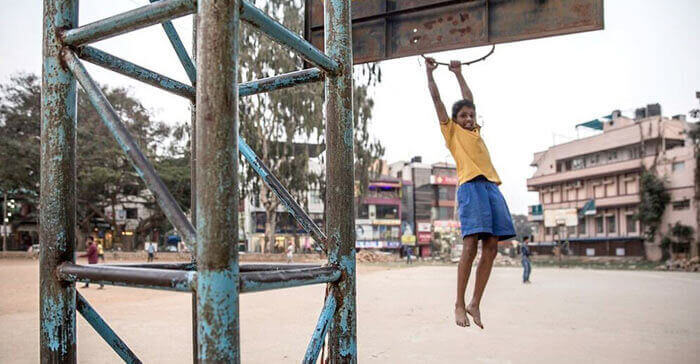
“Sport is a challenging career, even at the best of times. In an environment that is still evolving, the challenges faced by young athletes are many. From the lack of funding for training and competition, difficulty in getting access to the right coaching, difficulties with navigating the complex governance structures, the road ahead is certainly not a smooth one.
This often means that the best talent doesn't get the deserved resources and opportunities. The resulting misallocation can be seen in the outcome of the sport.
In this scenario, our athlete support structures play an important part in easing these challenges as there is a team behind each athlete fighting passionately for their cause.”
Can we make a difference?
"It is understandable to get upset every four years when we don't perform at the Olympics. Yet there are opportunities for everyone to make things better every day. I would encourage everyone to look behind each athlete and see what goes into his or her preparation. It’s very humbling and it gives a whole new perspective.
We started GoSports Foundation because we wanted to stop complaining and being cynical. We chose to be a part of the solution instead. It is a very satisfying way to channelise dissatisfaction. Once you go out and start doing the work, the amount of support you get from others is incredible. It’s not at all a lonely pursuit.
Everything said and done, I am hugely optimistic about the future. I believe we are a country bubbling with talent of all sorts, in many different sports. We are a country of resourceful, hardworking and successful people and I see no reason why those attributes will not extend to sports."
If he can do it, why can’t we?
Nandan Kamath has dedicated a huge part of his daily life towards improving the lives of sportspersons, in turn uplifting sports in India. He believes in being a pre-activist and not in reacting to failures.
Are we going to wait for failures at sporting events or are we going to take a leaf from Nandan Kamath’s book and address sports issues on time? The ball is in our court.
Alarm Bajne Se Pehle Jaago Re!
Share this story on
Rainwater Harvesting - A practice that India cannot overlook anymore
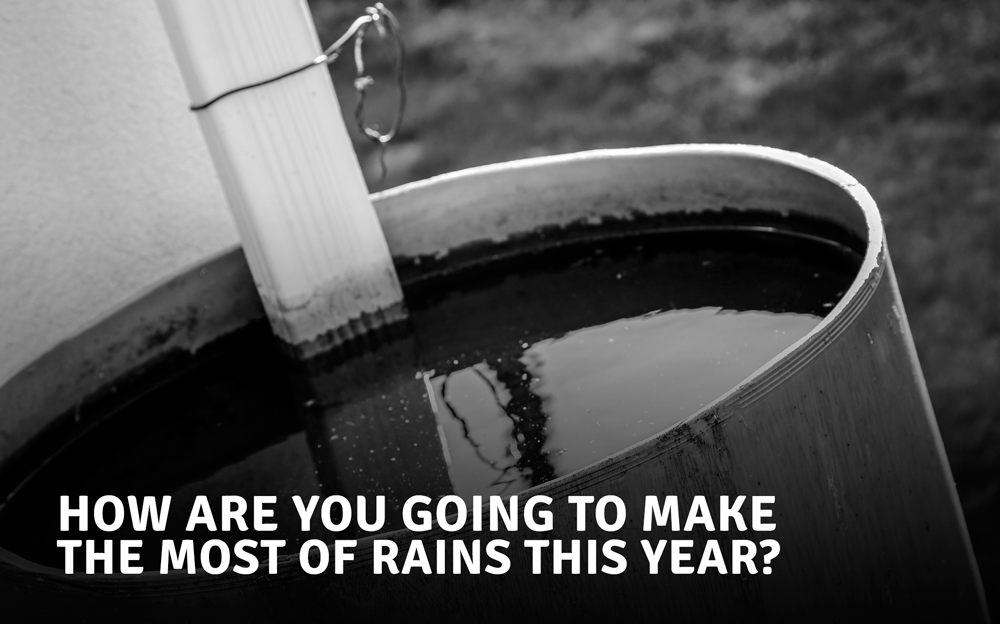
Indian cities are in the danger of going thirsty. Considering last year’s public unrest over Cauvery water in Karnataka and Tamil Nadu, one thing that stands out is our sheer unwillingness to adopt even the simplest measures to recycle water. Our dependency on water supplied from rivers has put us on a ticking clock. The question is, can Rainwater Harvesting (RWH) solve this issue? To answer this, we spoke to Mr. AR Shivakumar, who believes RWH is the need of the hour.
Mr. Shivakumar has been working towards sustainable management and renewable energy for the last 36 years, and has been championing Rain Water Harvesting in the city of Bengaluru. In his conversation with Jaago Re, he sketches out the situation of water scarcity, and the role of RWH in helping India win its battle for water.
The shift in our way of using water
We were a society where water was an individual responsibility. Every family collected water daily for its own usage, and there was no chance of water wastage. Eventually, with the cities coming into the picture, our water system got centralised, and water became the ‘problem of the authorities’. It was now up to the government to bring water to the cities from far flung areas. We started using water indiscriminately at the cost of environmental degradation. Slowly, our lakes and water bodies dried up and levels of groundwater table went too low.
The Situation now
The water supplied to the cities are usually pumped from water sources at much lower altitudes than the cities. This is a costly affair, both in terms of infrastructure and resources required, not to mention the impact on the environment due to requirement of dams and redirecting of water sources.
Even when the cities get water, it is supplied only to a particular section of the society. This means that a large section does not get access to clean water, and the section that does get water, uses it indiscriminately.The rest of the city is dependent on an already deplenished groundwater table. This increased pressure will slowly kill whatever greenery we have left in the city, and further add to making our cities un-liveable.
Right now the sewage system in Bengaluru flows because household get water at 98 litres per capita to flush out the waste. However, the rate at which we are wasting water, we will soon not have enough water to flush. Once the flow of water goes below 85 litres per capita, the sewage will stop flowing, clogging our drains and sewage system.
Available Resources

Many major cities in India have become water scarce regions, where the demand is much more than supply. While conducting his research on finding ways to solve Bengaluru’s water woes, Mr. Shivakumar found that the city receives an annual rainfall of 1000 ml. The quantity of water that can be collected in an average housing plot of 2400 sq.ft. is more than 2.3 Lakh litres, while the water required for a regular household is around 1.8 lakh litres. Bengaluru actually receives way more water than it can use, and still no one thinks of harvesting this water for future! If people in Bengaluru woke up before the alarm, they can very well generate their own water, and also help replenish the groundwater table.
The Solution - RWH and reusing water
Mr. Shivakumar did not just research the solutions, he decided to follow through with practice. According to IMD data, Bengaluru receives good rainfall throughout the year, with an average gap of 90-100 days in between, during which a household requires 40,000 litres of water. He built two underground tanks to collect water that can be used for non-drinking and cooking purposes, and an overhead tank with a filter, to collect drinking water.
Rainwater harvesting, according to Mr. Shivakumar, is easy, cost effective, and the most critical need for our cities today. He also built an innovative water filter called the Pop-up filter, which is quite cheap and eco-friendly. He has even dug percolation pits in his garden, which allow rainwater to seep into the ground and recharge the groundwater table. Additionally, people need to start reusing water to minimize wastage.
The big HOW
The first step to solving the water crisis is to believe that solution is easy, and effective. Mr. Shivakumar shares a few simple steps for this:
- Household produce two kinds of waste water - Grey water (produced from non-toilet use, like water from showers and washing clothes / utensils) and Black water (water mixed with toilet waste). Households must start reusing grey water. Instead of draining away the water from washing machines, it can be used to flush down the toilet wastes. Kitchen sink water from washing vegetables can be used to water plants / gardening.
- RO Water purifiers drain away 70% of water fed into them, and provide only 30% of the supply water as ‘clean drinking water’. The rejected water can be used for mopping and cleaning the house, vehicles, etc.
- Get leaking pipes and dripping taps fixed immediately to minimize water wastage
- Monitor your water bill closely to understand if your water usage has increased, and plan water usage accordingly.
- Try and use bucket to bathe and to wash cars or vehicles. On an average, showers consume about 100 litres of water, while buckets require just about 18 litres.
- Washing clothes and utensils with the water running uses about 116 litres of water, while using water at the same time uses only about 36 litres.
- Adopt rainwater harvesting. Most cities have guidelines and resources to facilitate RWH at households. Make sure you get all the information and implement the same at the earliest.
Do you have more points to share about RWH and ways to save water? Share your thoughts with us on our Facebook and Twitter pages, and wake up to the need to save water, before it gets too late.
Alarm Bajne Se Pehle Jaago Re!
More about the Expert:
Sources:
Rainmanspeaks (blogspot)
Mr. A.R. Shivakumar, Principal Scientific Officer, IISC
Share this story on