Earth Day Network: Pre-Act Today to Lead Our Planet to a Better Tomorrow

“Awareness, responsibility, action, outreach” – Earth Day Network
Did you know, only 9% of the earth’s plastic is getting recycled? Or that animals across 400 species have at some point ingested or gotten entangled in plastic waste? Or even that, by 2050, oceans will contain more plastic than fish, by weight?
Let’s soak this in for a second.
Why do we nonchalantly overlook disasters? Why do we attempt at making a difference only once disaster strikes? As a nation we are falling short of being good inhabitants of our planet because of our lack of knowledge and urge to pre-act. We casually reverberate the words, ‘it’s not too late’ and continue to watch disasters snowball before our eyes.
We fail to evaluate the extent to which our daily practices affect our environment.
For example, how many plastic bags do we use a day? How long do we keep the shower running every day? How often do we leave our phones to charge for long hours every night?
These seemingly innocent practices have a huge impact on the environment, but our ignorance of these impacts does not absolve us of the responsibility to address them.
In light of the 'Countdown to 2020' campaign, we reached out to Earth Day Network India to explore the steps an individual can take on a personal level to adopt environmentally sustainable practices for a healthier and greener future by 2020.
Below are a few excerpts from our conversation with them.
What are the changes we can make at a personal level?
Being aware of your routine in order to change it for the better is a great step towards reducing your carbon footprint. For example, did you know:
- The most power-efficient air-conditioner is 5 Star DC
- Plastic waste can be shredded & sold to cement plants as an alternative for coal
- Lowering the brightness on your computer screens saves energy
- Using plastic is not eco-friendly
- Carrying a cloth bag when buying things from the supermarket helps reduce your plastic footprint
The Ganga and Yamuna are ranked among the world’s 10 most polluted rivers. How affected is the marine life by this?
What we know is that India’s national aquatic animal, the Ganges River Dolphins are moving away from their natural habitats, as they can only live in clean waters.
To ensure their habitat is secured, students in Varanasi are coming up with innovative practices to prevent their lives from being endangered. We look forward to see whether their efforts to clean the Ganges will help bring back this threatened species.
How can we reduce our usage of disposables like plastics, foils, cling wraps and tissue papers? How will it help us reduce our carbon foot print in the future?
A wide outreach is needed to build awareness about this.
Our carbon footprint would be hugely reduced not only by reducing plastic usage, but also by managing plastic waste systematically. Plastic waste needs to be segregated, binned and either baled and sent to recyclers, or shredded and sold to cement plants as an alternative to coal (its calorific value is four times that of coal).
It can also be used as feeder stock for constructing Polymer-Blended Bitumen Roads (an innovation patented by a Padma Shri recipient, this year).
Do you feel the - one hour of no electricity - initiative is useful in the Indian context?
No. When the power is switched on, it comes back with a surge and actually draws more current. We need to inculcate behaviour towards ‘Low Carbon Footprints.’
For this, we have developed a special Snakes and Ladder game to help kids understand what contributes to carbon footprints, and what an environment-friendly habit really is.
How can we contextualise the ‘Countdown to 2020’ in our lives, at a personal level?
Awareness, responsibility, action, outreach.
How can we help in scaling this further?
If you talk about India, then scaling is very important to create awareness. Needless to say our population is huge and diverse. A cookie-cutter approach is not going to work. Time is of essence. Thus, it is important to reach out to people who have the potential and have the platform to inspire more people – such as local government leaders, religious leaders etc.
Let’s work towards involving more influential voices from sports, film and entertainment.
In order to continue our journey towards building an eco-friendly lifestyle, we need to internalise the need to pre-act today to lead our planet to a ‘tomorrow’,
It’s time we acknowledge that the earth does not belong to us, but we belong to it, so get involved and spread the word!
Add your voice to this movement today, to shape 21st century’s environmentalism.
Tell us how you think we can catalyse this initiative further. What additional environmentally sustainable practices can we adopt?
Share your thoughts, struggles or your chapters of success in adopting sustainable practices with us, on our Facebook and Twitter pages today!
Log in or register to post your comments.
Alarm Bajne Se Pehle #JaagoRe
Sources: Earth Day Network, Plastic Pollution Coalition Organisation, The Economist
More about the Expert:
Share this story on

The changing scenario of the culture of sports in India: A conversation with Deepthi Bopaiah

'Champions are made, not born' - Unknown
Indian athletes had an incredible run at this year's Commonweath Games in Gold Coast, Australia. With a medal haul of 26 gold, 20 silver and 20 bronze medals, India surpassed its medal tally of the last edition at Glasgow in 2014.
It is noteworthy that the scenario of sports is changing in India. However, if we look at India's performance at the Rio Olympics or the Asian Games, we would realize that we have a long way to go!
One organization working towards professionalizing Indian sports and working to improve the scenario in the country is GoSports Foundation. The Foundation’s initiatives are premised on the belief that sporting champions are created when the right talent gets the right support at the right time.
In a conversation with Tata Tea Jaago Re, Deepthi Bopaiah, Executive Director at GoSports Foundation, discusses the need to build a culture of sports in the country and the way to pre-act in order to help our athletes in their quest of putting India on the global sports map.
Converting participation into winning! Looking back at India's performance in CWG ‘18 and the road that lies ahead.
First of all, I think we need to pat ourselves on the back! The performance of all the athletes in these Commonwealth Games have been incredible, not just from the perspective of the medal tally but also the kind of performances that were displayed by each player. After all, it is always the spirit and the determination that matters! Even as an organization, we focus primarily on supporting an athlete’s pursuit of sporting excellence rather than just their podium finishes.
When we compare Commonwealth Games, Asian Games and the Olympics, we must remember that the base is really in terms of the number of countries that participate in the tournament. For instance, 76 countries participated at this year's CWG and inspite of India’s minimal representation and participation in medal-heavy sports such as athletics and swimming, we finished third in the over-all medal tally and managed a clean sweep in shooting, weightlifting, table tennis and badminton. This I feel is commendable.
Winning a medal is definitely the goal of any athlete but it can only be achieved by putting the right process of planning and training in place. Therefore, we focus on the journey of the athlete and ensure that we give them everything that they need to excel - we not only provide them the necessary mentorship through our board of advisors but also aim to fulfill their requirements around sports science, travel, training stints, and equipment, among others.
Long gone are the days when our athletes' representation in these Games was limited to participation. There is a huge change in the mindset of Indian athletes due to many factors. One of the key factors is the increased success stories of role models and it's only going to get better as we approach Tokyo Olympics 2020 and the Asian Games. Are we going to win 15-20 medals at the Olympics like a lot of reports are saying? I personally believe that there is some way to go before that happens.
Another applaudable factor of this year's CWG was the kind of collaboration that happened between the Sports Ministry, the Federations and organizations like the GoSports Foundation, with the sole aim of providing aid to the athlete. I think that if such collaborations take place more often, we will be able to see more athletes excel and bring home the medal. This kind of support is essential for athletes as it gives them the assurance that they are not fighting their own battle and have a team that would back them.
Inspiration leads to Impact: The underlying role of media in the life of an athlete!
I think media and sports outfits play a huge role in making sure that the voice of the athlete is heard. Why do you think that cricket gets this much attention? Because it's been written about, talked about, shown on television, it's everywhere! I think a lot of credit should be given to Sony Pictures Networks because they have taken some bold decisions of telecasting sports that don't get covered a lot of times. That is an important step towards creating awareness about the lesser known sports.
I think media and digital platforms have a huge responsibility when it comes to creating role models and sharing the stories of their journey. One of the pillars of our Foundation is Inspiration! We are constantly communicating these incredible athlete stories through different media channels as we believe that inspiration can strike through various sources. So inspiration is a large aspect for us from the standpoint of creating an impact. You can never document it, you can never show numbers on it but you can feel it!
Our role, as a society, to help build a sporting culture in India.
WATCH LOCAL SPORTING EVENTS! Go for state and national level tournaments, go and cheer your athletes. Enjoy, explore and expose your kids to different fields of sports and help them develop an interest in sports. It's only when we go to watch our local athletes perform, do we develop an interest in their sport and their journey. Moreover, this also helps the players to stay motivated and perform better. Cheers from the crowd always feed into the energy of the athletes and fuel their performances.
I also believe that films play an important role in this aspect. For example, the awareness about Mary Kom's or Milkha Singh's achievements increased significantly after the release of films that documented their journeys. As a society, we are extremely influenced by cinema. So my advice would be to take your kids to watch more sports-inspired films in order strengthen the sporting culture of our nation.
Message to the budding players of our nation.
You are extremely lucky because today you have people who are ready to back you in your sports journey. You have the opportunity, the exposure and the technology that athletes did not have, five years ago. Take all the opportunities and go live your dream!
What are your thoughts on the initiatives that we, as a society, can take to encourage participation in different fields of sports? Tell us how you would pre-act today to help shape the future of sports in our country?
Log in or register to post your comments.
Alarm Bajne Se Pehle #JaagoRe
Share this story on
Tata Tea ‘Suraksha’ – A step towards building a safer society

The most recent statistics from the National Crime Records Bureau show that crimes against women in India have increased by 34% in the past four years (Source: The Conversation). Additionally, a survey by ActionAid UK showed that four out of five women (79%) in the country have experienced some form of harassment or violence in public (Source: Indian Express).
We as a society have raised our voices every time there has been a disaster (we all remember the widespread protests after the Nirbhaya incident). However, our knee-jerk reactions have not succeeded in making our society safer, and nor have they addressed the real issues – the lack of gender sensitisation and lack of gender equality in our society. One way to make our society safer is to Pre-Act against these issues.
With our Tata Tea Alarm Bajne Se Pehle Jaago Re initiative, millions of Indians came together to lead the wave of Pre-Activism in India. Over 1.05 million people signed the ‘Alarm Bajne Se Pehle Jaago Re’ petition for compulsory gender sensitisation in schools, and the petition was submitted to the HRD Ministry earlier this year. Taking this movement forward, we launched ‘Suraksha’, an initiative to empower young girls across India to take their safety in their own hands.
Safety first with Tata Tea ‘Suraksha’
The initiative was carried across 328 schools in Delhi, Punjab, Haryana and Uttar Pradesh. A special self-defense training program was constructed and over 93,000 girls received self-defense training as part of the 'Suraksha' initiative.

A strong self-defense program was implemented for school girls between the age group of 10 years to 16 years. A special self-defense training module was prepared with the help of experts using elements from various martial arts such as Judo and Karate. The duration of the program was 4 days and each session was for 1.5 hours. A total of 6 hours were invested in each child during the program, making sure that the sessions were not only about physical strength but also about mental fitness. A variety of self-defense techniques were taught to the girls. The experts gave a live demo of various techniques such as elbow strike, chop attack, tiger grip, push kick and knife defense.

Pushing the limits!
This was later practiced by the girls who displayed immense dedication and enthusiasm during the entire learning process. Avinash Pandey, one of the trainers from Delhi said, "The Suraksha program has been devised in such a way that it will not only help the girls to defend themselves but at the same time boost their strength, stamina, agility and flexibility. It is extremely important for these girls to continue practicing what has been taught to them during the program. Practice holds the key to building confidence and to being ready to implement these techniques in real life situations."
Tata Tea 'Suraksha' helped Tata Consumer Products Limited to achieve its objective of connecting with the society and creating awareness on the importance of training girls to defend themselves before any unforeseen incidents occur. Let's ensure that we do our bit to help create a safer tomorrow by empowering our children today to ‘Pre-act’ and not ‘React’.
Share your suggestions on building a safer society on our Facebook and Twitter pages, or email us at jaagorein@gmail.com.
Alarm Bajne Se Pehle #JaagoRe
Sources: The Conversation, Indian Express
Share this story on
No one knows I won a medal for India
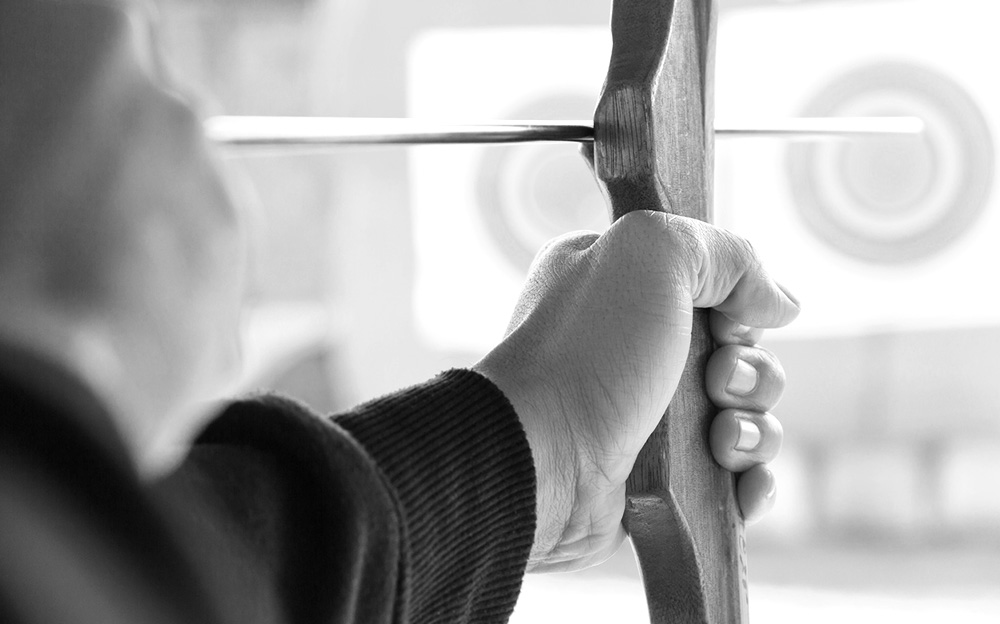
I used to be a skilled archer but now I just teach at the local school. When I was a kid, I went to the circus and I was enamoured by an archery show held there. I knew then, that I wanted to be an archer.
Back in my days, pursuing such a career path was unheard of. I was doing it against all odds. And I was well aware of that. What I didn’t expect is how it would take a turn for the worse.
Back in my prime, I brought a medal back to India. I am very proud of it and when I won it, I had hoped that it would rouse the nation’s interest in archery. That somehow, this sport would earn a place in mainstream sports.
That’s not how it works though, does it?
It’s been 30 years since I brought home the medal. Has a lot changed since then? Not much, I’m afraid. Even today, archery comes into the limelight only when an archer wins. And it's is possibly talked about more when he or she loses. People who meet me, are surprised that I used to be an archer. Used to. They wonder why I gave it up, or why I didn’t take up coaching. I wanted to. I tried. But who would I coach? How would I convince the few hopefuls that one can be a successful archer in India? Isn’t archery a sport just like any other? Or am I being unrealistic to even assume that?
We need to acknowledge the problem with our sports doesn't lie with the athletes, but with us.
We have waited for the next Olympic champ to give up. For the next aspiring sports person to be discouraged and to turn away. For the next failure at an international championship.
We have simply waited until things blow out of proportion. Don’t wait before it’s too late. Start taking an interest and being a voice for our raw talent that’s on the verge of giving up.
Alarm Bajne Se Pehle Jaago Re!
Share this story on
3 Things That Are Normal For Indians
1. Calling a disaster ‘Home Sweet Home’
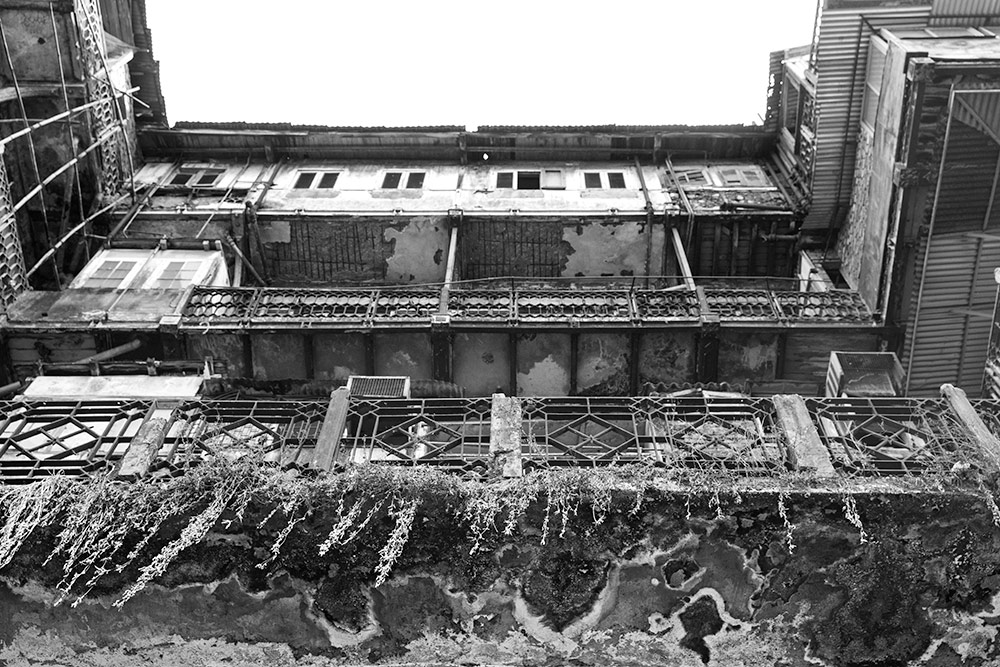
We live in buildings that are in shambles and could crumble any moment. We are oblivious to the danger that’s lurking in the corridors. We walk down staircases that could any time open into an abyss of pain. But we continue to trudge on, oblivious to our surroundings.
2. Walking on shabby bridges
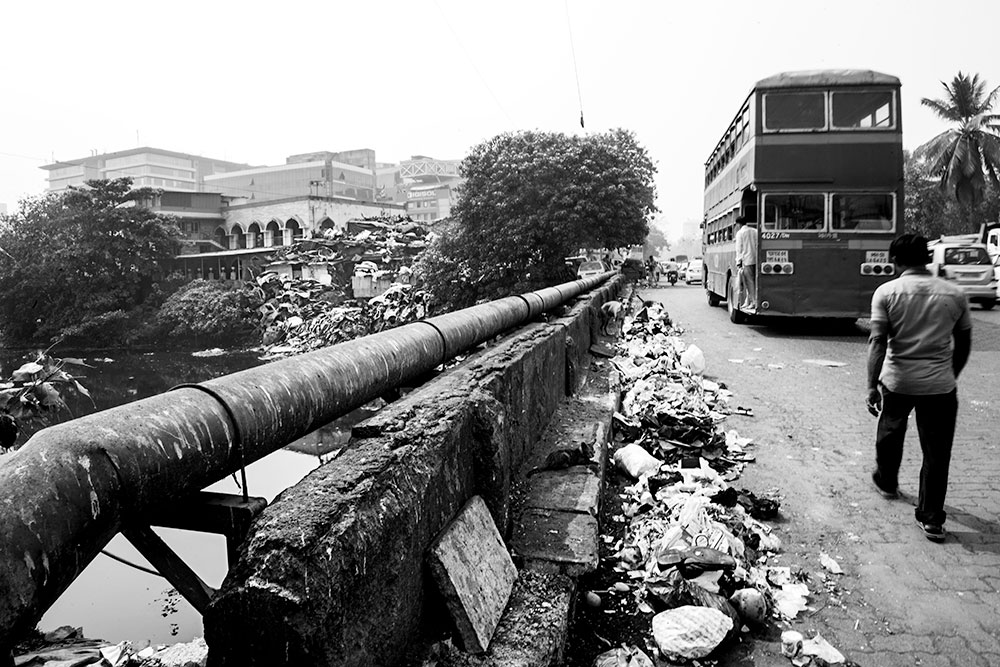
We all have that one route we take, whether we go to office, or home. The same route is taken by several others too. It's become a part of our daily routine. We are so engrossed in getting to our destination, we fail to see the signs of the impending disaster staring at us...even as we go about our very routine.
3. Escaping death under a maze of live wires
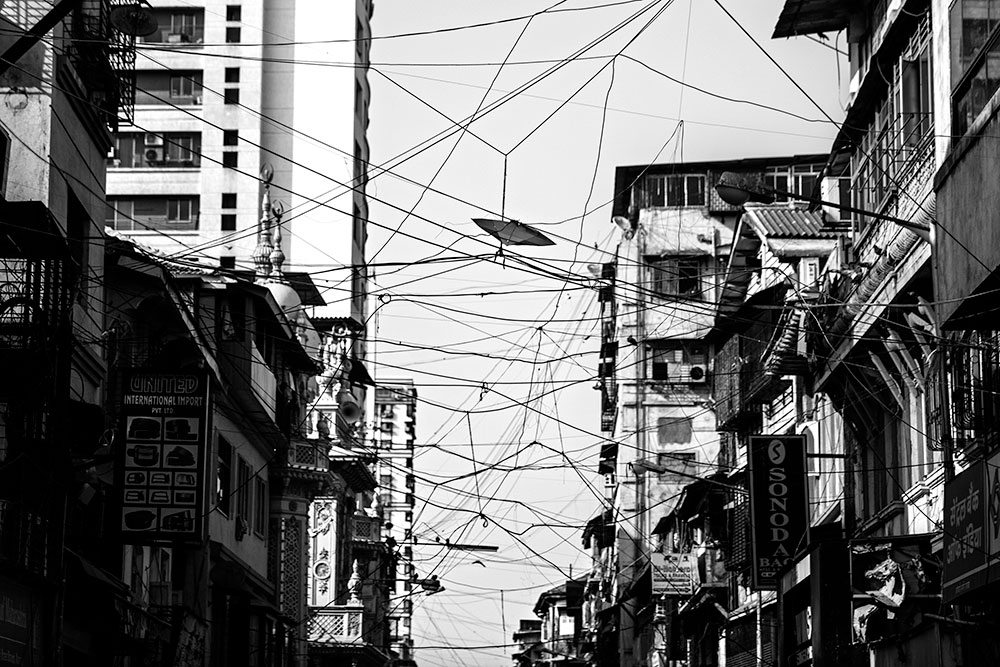
We definitely have a taste for risk-taking. Or else, why would we think all sort of live wires hanging over our heads are no big deal? To add to that, we are living in a tropical region, which means monsoons visit us every so often. Definitely, a recipe for disaster.
Stop Normalising Disasters
Why are we so apathetic to what’s happening around us? Why do we suddenly become vigilant and reactive after that bridge falls, or that building topples over, or someone gets electrocuted?
Why do we protest do once these disasters have already struck - when we could be making an even bigger impact before crisis hits home?
We have to stop normalising disaster and raise the flag before it’s too late.
Alarm Bajne Se Pehle #Jaagore!
Share this story on
Why I don’t walk alone anymore
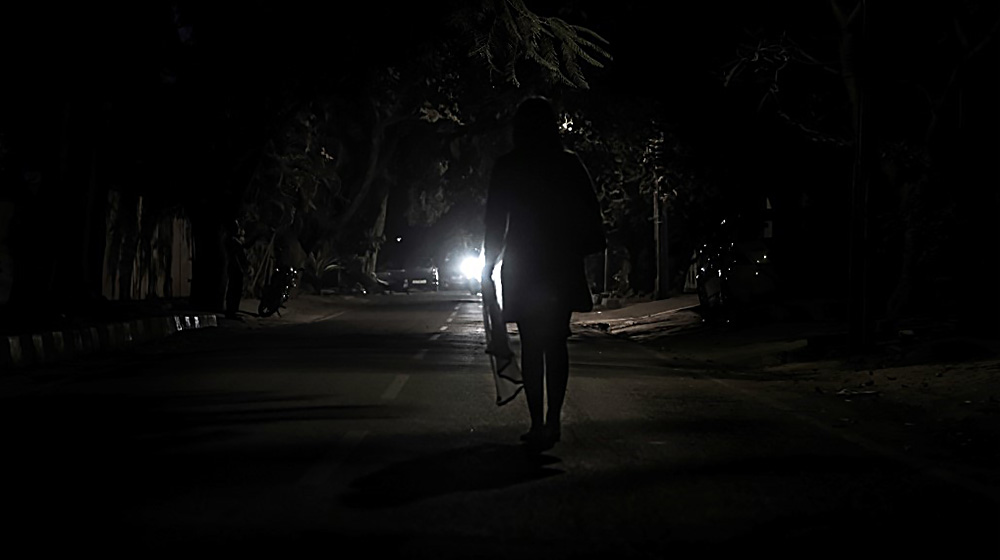
I was walking to my friend’s place when it happened. I was wearing a normal salwar kameez, watching my step as I walked. The next thing I remember, I fell face down on the pavement and a small crowd gathered around me. I got up, my salwar torn at my knees, my dupatta gone, my neck bearing a sore red mark.
A bike rode past me and the man on the pillion had grabbed my dupatta and sped off; laughing at my horror and calling me names.
I was shaken and my head was in absolute turmoil. This was broad daylight - these things aren’t supposed to happen in the middle of the day with a dozen people milling around. I felt violated and angry, hot tears streamed down my face, as some women patted my back and guided me to a seat. The crowd eventually dispersed once they knew that I was alright. Someone kindly offered to drop me home, but I declined, more out of distrust than politeness.
I shudder to think what would have happened, if I were walking at night, instead of the day. And to think that the culprits who did this to me, are riding around on their motorcycles, doing the same thing to every other woman they come across.
The rest of us, victims of such blatant attacks, can only get back to our routines. Pretending as if this is the most we will ever endure.
Rape doesn’t come with a warning
Women's safety is not a new issue that's just cropped up... it's been a lingering problem for a very long time in India. Why are we waiting for the next attack, the next rape, and the next brutality to finally get serious and start working towards a change?
If these issues were addressed with urgency before, things may have been different today. Don't wait for the next act of violence of against a woman to react, to finally start walking the path of change.
Alarm Bajne Se Pehle Jaago Re!
Share this story on
I regret buying a big car
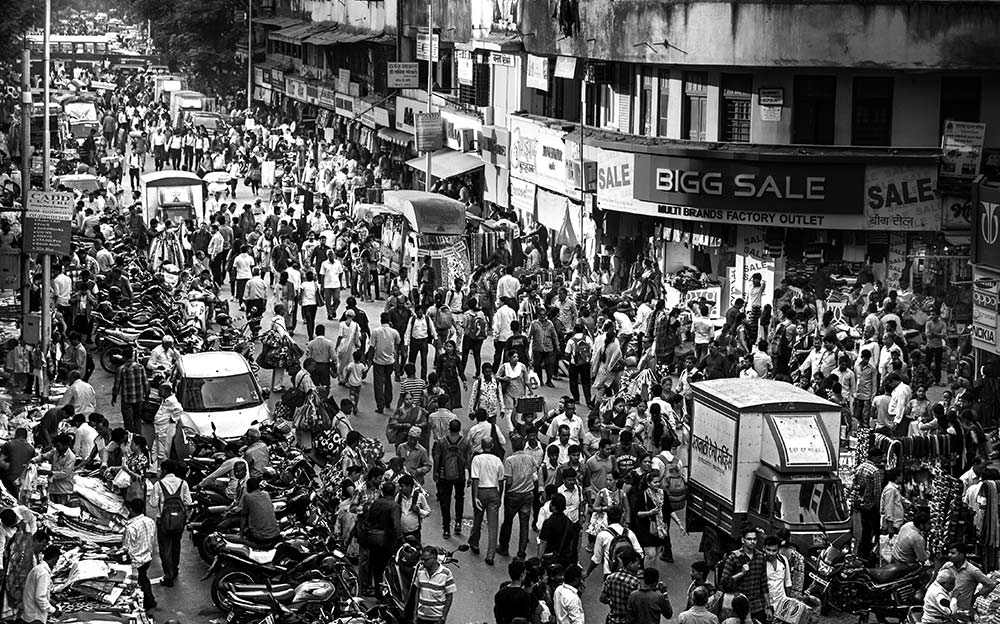
I would have never thought that the car I was so looking forward to buying would finally become the bane of my existence. I was looking forward to buying this car, what with all the hours of hard work I put in to be able to afford it - but of course, the traffic jams of my city had other plans in store for me.
The day I purchased the car was possibly the only time when I was genuinely happy. Yet every day since then, I have been cursing myself. And why? I am not able to shift past the first gear. Perennially stuck in a jam, I am always late. Both ways, while going to office or while returning home.
The other day, I was stuck in a jam, as usual. I could hear the faint sirens of an ambulance. I sighed, knowing that there was no way the ambulance was going to make its way out of the long procession that was the bumper-to-bumper traffic jam. I checked my rear view mirrors and miraculously, I saw the ambulance inch forward. I honked loudly to signal the vehicles in front of me to make way. However, there was no space for them to go. I waited anxiously as the ambulance drove ahead and halted to my left. I peered into the ambulance and could see the worried faces of the family members inside, helpless and desperate.
I cursed, this time, not for me, but for the ones battling life and death in the ambulance. After what seemed like an eternity, the cars began to move ahead at a slow pace. As the ambulance snaked its way out of the jam, some people followed its trail, as is always the case on Indian roads.
I shudder to think what would happen to me, if I were to be in the same situation?
Why are we stuck in a rut?
It’s only because we are in ‘let’s just adjust and adapt’ mode, this menace endures. Good civic sense is the hallmark of any proud city. Our streets can be safer and peaceful only when we break out of the ‘adjust and adapt’ mode and start being responsible. Do we have to wait for a complete breakdown of the infrastructure of our cities?
Alarm Bajne Se Pehle Jaago Re!
Share this story on
We love to litter
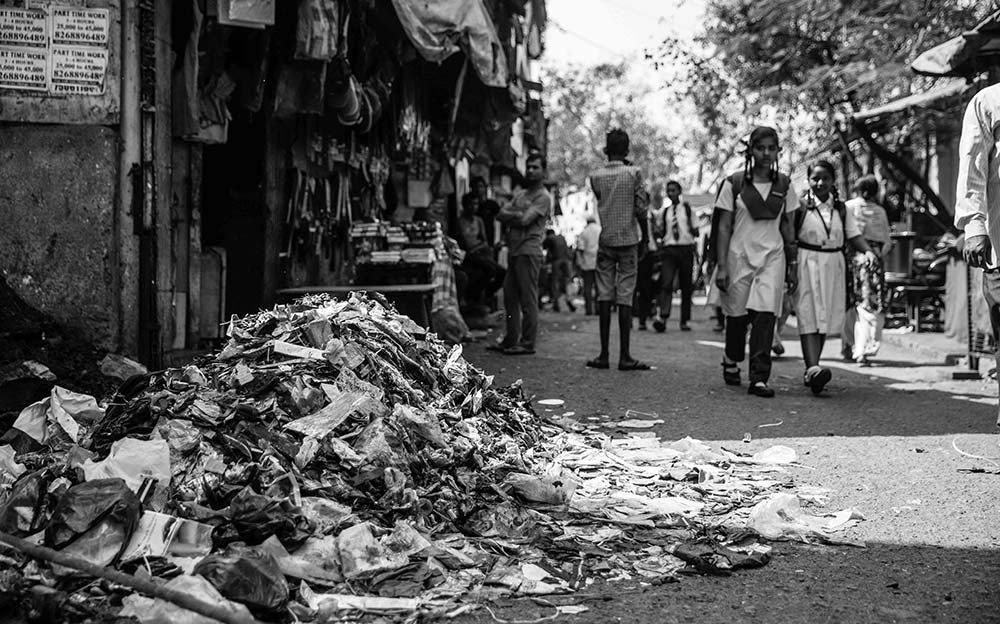
The other day I was on a ferry in Mumbai, and I saw a family eating a bag of chips. Afterwards, the mother threw the wrapper into the sea. The children followed her example. Everybody just looked away. It was after all ‘picnic time’. Who will bother to look for a garbage can, that too on holiday?
What is this inherent need to not throw garbage where it belongs, you ask? Well, when was the last time you saw a garbage bin in your area that wasn’t overflowing?
Or the last time that the garbage bin has been duly emptied? How is a civilian supposed to act civil if the facilities don’t prompt that behaviour?
I remember when I was walking to a shop the other day, a man threw a banana peel at the garbage dump on the road. The peel of course, never actually landed in the bin and fell in the pile that was accumulating on the roadside. Next thing we know, a bike skids on the peel and the rider falls off. Who would have thought, right? Who’s to blame here now, the man who threw the peel and littered on the street, the rider who didn’t see where he was going, or the system that did not attend to the matter at hand?
If we won't clean up India, who will?
Hygiene and sanitation concerns have led to grave diseases and deaths. This has remained an issue for a very long time. We have been complaining about it relentlessly.
You complain about families littering and polluting our streets. Do you do anything about it, except watching from the sidelines?
Why wait for bits and pieces of waste to turn into a monstrous eternal pile of junk?
‘Itna problem hai, toh solution ban jao’.
Watch out for warning signs. Wake up before the alarm bell rings.
Alarm Bajne Se Pehle Jaago Re!
Share this story on
A thousand more farmers may commit suicide this year, & I can't do anything about it.
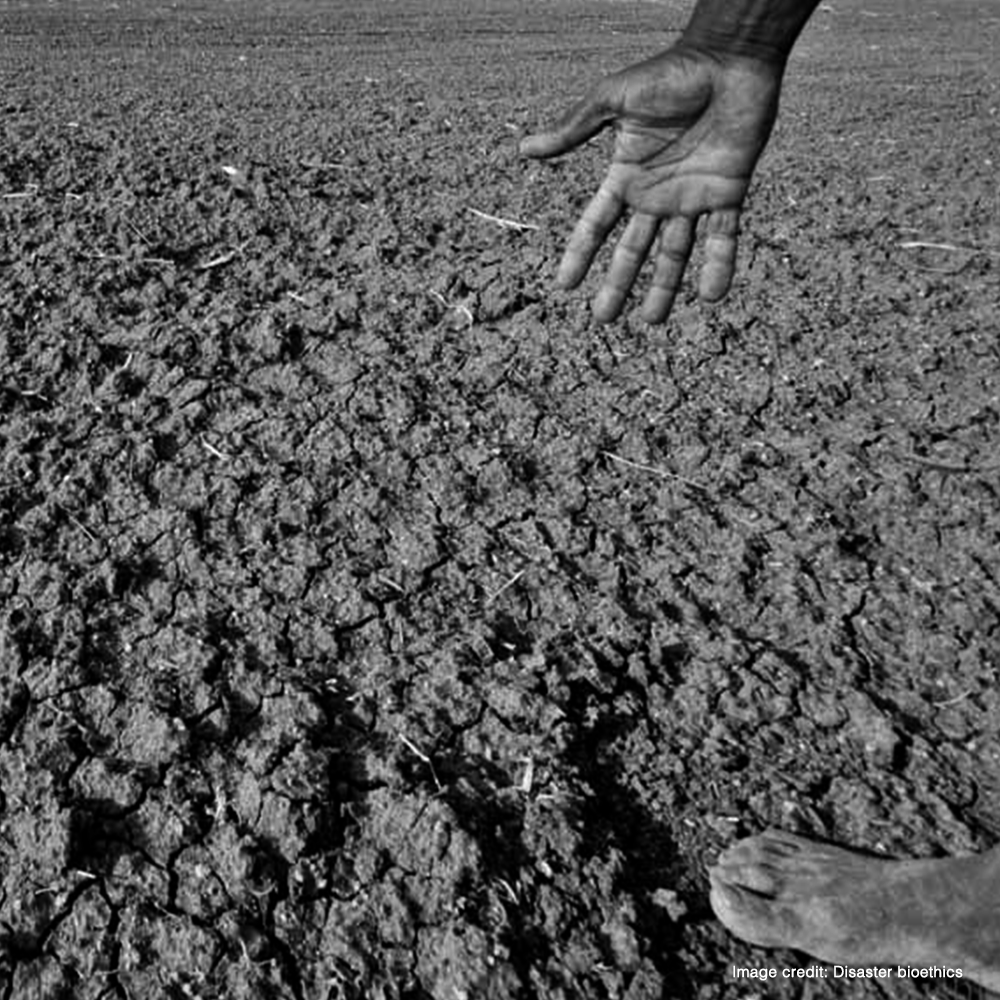
The lady who cooks for me is married to a farmer. She tells me how difficult each passing day gets on the farm. She also used to be a farmer, helping her husband. But she says female farmers aren’t really given any regard due to their gender.
She tells me that she came to the city to lend a helping hand with the finances. She misses being with her family, but life had other plans for her. She works at 8 houses, wakes up at the crack of dawn and sleeps late into the night. Every day is even more tiring than the previous - but she toils house to house because she doesn’t want her husband to meet the fate of the 1000s like him.
I cannot imagine living like this - having to earn a living from a profession that’s entirely at the mercy of unpredictable weather. I thought my job was thankless, until I met my cook.
She’s told me about some absurd, ridiculous practices – there was a point in time when farmers were marrying multiple times so that there’s someone to fetch water!
Ours is said to be the last generation of farmers. The next generation of farmers will apparently ‘cease to exist’. Either they will migrate to cities, be stripped off their lands, or will take the direst route – suicide.
Our apathy is contributing to more farmers committing suicide
Farmers and their families live in constant stress. They are unable to sustain themselves due to natural calamities, lack of resources and administrative apathy.
Are we waiting to lose an entire generation of farmers before we finally wake up and react to this dire situation? Are we going to sit up and take notice only when it's too late? Wake up, before the last farmer gives up.
Alarm Bajne Se Pehle Jaago Re!
Share this story on
How I met my first molester
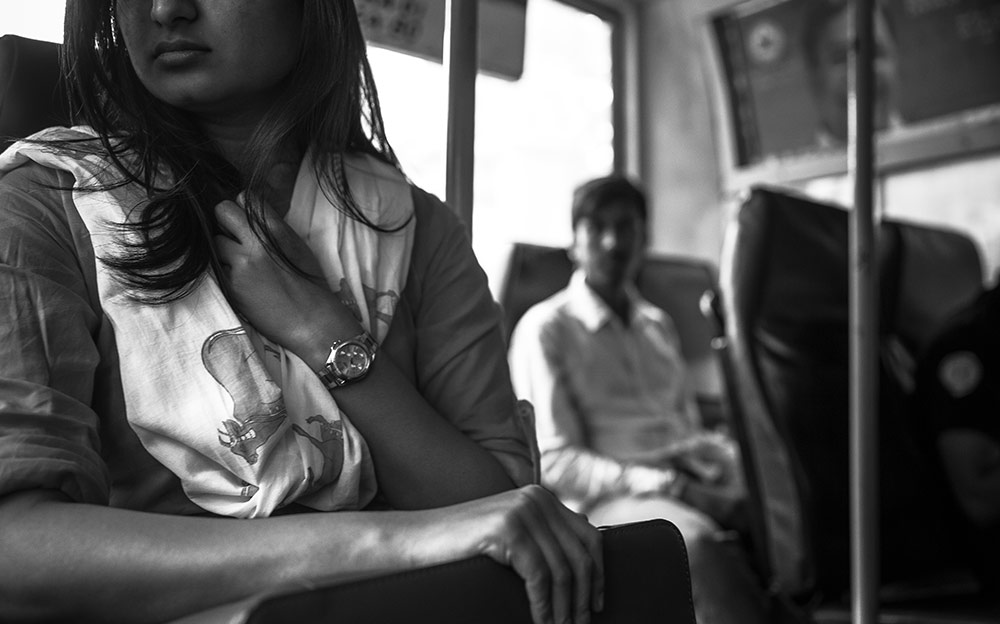
“When is a safe time for women to leave for home from office in the evening? 8 pm? 7 pm? 6 pm?
I left office at 5 pm that day. I had to run some errands and I left early to get a head start. I took the bus, found a seat and sat down for the long journey. I paid for my ticket when the bus conductor came by, and when I leaned back into my seat, I felt a hand touch my back; a hand that was squeezed between the seat and the window just to feel me up. I turned around, feeling shocked and violated. The sight that greeted my eyes disgusted me to the core. I saw the molester smiling back at me. I got up from my seat and asked him to explain his actions, as I trembled in anger. He continued smiling at me, not responding.
I got up, and moved to another seat. I looked back again and the man was staring at me.
I had a feeling of dread creeping all over me. I didn’t know if I should raise an alarm or let this go - I was afraid he would alight from the bus and stalk me if I made a hue and cry about this. On the other hand, I was furious about what I had to go through. I stopped leaving at 4pm.
I thought that somehow, not leaving at 4 pm is a solution. What next? Do I stop taking the public transport? Do I weigh the pros and cons of taking my molester to task, who is probably looking forward to torturing another hapless woman? Do I change offices? Do I change streets?
What do I do?”
The signs are everywhere
These are issues we are well aware of – but we have waited for the next big assault, the next horrific rape, the next brutal attack to wake us out of our slumber. They say it’s never too late to do something, but in this case, it is. Now is the time to show that we don’t want to wait anymore.
Alarm Bajne Se Pehle Jaago Re!
Share this story on